
How to Become an Art Teacher: Complete Career Steps and Certification Guide
Learning how to become an art teacher starts with earning a relevant degree, such as a Bachelor of Fine Arts or Education with an art focus. Next, obtain state certification by passing required exams and completing student teaching experience. Beginning with a degree program ensures you meet educational requirements and prepare for certification and classroom responsibilities.
Key Takeaways
- Earn at least a bachelor’s degree in art or art education, typically taking 4 years.
- Complete required student teaching to gain practical classroom experience before certification.
- Pass state-specific certification exams such as TExES in Texas to become a licensed art teacher.
- Consider 5-year integrated master’s programs that include education courses but verify certification requirements.
- Know that art teacher salaries vary widely by region, grade level, and school type.
- Art teaching jobs may decline slightly but opportunities remain from retirements and turnover yearly.
How to Become an Art Teacher: Education and Certification Steps

To become an art teacher, you generally need at least a bachelor’s degree in Art Education, Fine Arts, or a related field. Most states require you to complete a state-approved teacher preparation program that includes coursework in teaching methods, child development, and educational technology. These programs also incorporate required observation hours and a supervised student teaching or practicum placement, which lets you gain hands-on classroom experience under the guidance of an experienced teacher. For example, Florida’s Department of Education requires PBA students to complete either student teaching or an art residence placement to fulfill certification requirements.
Student teaching usually lasts one semester and is a critical part of your education. During this time, you’ll practice lesson planning, classroom management, and assessment techniques while receiving feedback. Completing this phase successfully is often mandatory for your state teaching certification.
After finishing your degree and student teaching, you must pass at least two certification exams to become licensed. One exam tests general teaching knowledge, and a second assesses your specific expertise in Art. These exams and the exact passing criteria vary by state. For instance, Texas requires passing the TExES Art EC-12 (178) exam. Certification shows you meet professional standards and can legally teach in public schools.
The entire process typically takes four years for a traditional bachelor’s program. Some states offer alternative or accelerated routes that include compressed prep courses or provisional certification, but these still require passing the certification exams and supervised teaching experience. Choosing an accredited program aligned with your state’s certification rules is essential to ensure your qualifications are recognized. Costs vary by institution, but public university tuition averages $10,000 to $20,000 per year before financial aid.
Understanding Art Teacher Roles: Grade Levels, School Types, and Career Paths
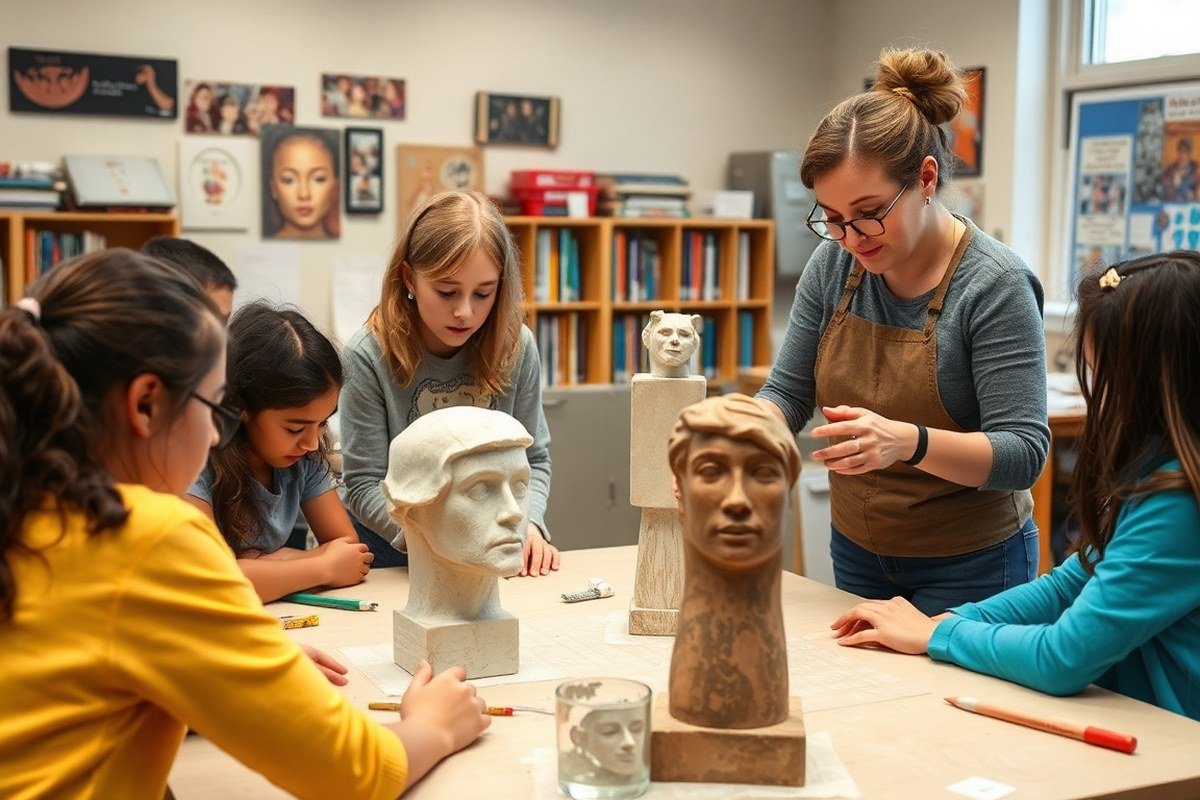
Art teachers can work with a wide range of grade levels, from elementary through high school, with many states offering a K-12 certification that covers the entire span. This broad certification lets you tailor your career to teach younger children basic art skills or older students advanced techniques and art history. Certification requirements depend on the grade levels or school types you want to teach in. Public schools typically require state certification to teach art at a specific grade level or across K-12, while private and charter schools may have differing or less strict certification rules.
You will find art teaching opportunities in public, private, and charter schools, as well as specialized settings like STEAM academies or art-focused schools. Each setting offers a different environment. Public schools usually have the largest range of student backgrounds, while private and charter schools often provide smaller classes and more specialized art programs. Outside of schools, art teachers can also find roles in community art centers or museums, although these usually do not require formal teaching certification. Below is a comparison showing key differences by grade level and school type:
| Grade Level | Median Annual Wage | Projected Job Growth (2024-2034) | Cerification Needs | Typical Teaching Focus |
|---|---|---|---|---|
| Elementary School | $63,680* | -2% | K-6 or K-12 Certification needed | Basic art skills, broad exploration |
| Middle School | $63,280* | -2% | 6-8 or K-12 Certification | More technique, introduction to concepts like art history |
| High School | $72,170* | -1.6% | 9-12 or K-12 Certification | Specialized courses, portfolio prep for college |
| Private/Charter Schools | Varies | Steady | Certification sometimes flexible | Often specialized or enriched curriculum |
*According to the Bureau of Labor Statistics Getting certified for the appropriate grade level usually involves completing a bachelor’s degree plus state-mandated exams and training. Public schools require certification to employ you as an art teacher, so start by researching your state’s specific guidelines. For private or charter schools, certification rules can differ but having it increases your employment chances and salary. Following certification, searching for job openings nationwide in your preferred grade bands and school types helps find the best fit. Understanding these roles fully guides your preparation and career path as an art teacher.
Skills, Qualities, and Classroom Responsibilities of an Effective Art Teacher

Successful art teachers demonstrate a mix of specific skills, qualities, and daily practices that promote a vibrant learning environment. Mastery of various art techniques, from drawing and painting to sculpture and digital media, is essential. This foundation enables you to effectively guide students as they explore different creative methods. Being adaptable is key because art skills and classroom technologies evolve, so staying current through continued learning helps maintain engaging lessons.
Apart from technical skills, personal traits like patience, creativity, and strong communication help build rapport with students and manage diverse classrooms. You must inspire creativity while maintaining structure and discipline. Emotional intelligence allows you to respond to students’ needs and encourage artistic risk-taking without fear of failure. Organization and time management are important for planning lessons and managing supplies, projects, and student progress.
Daily responsibilities often include designing lesson plans that introduce and build on art concepts tailored to different grade levels. Preparing materials, leading demonstrations of techniques, and providing individual feedback require hands-on involvement and attentiveness. You’ll also assess student work using clear criteria, maintain a safe and inclusive classroom, and keep records of attendance and grades. Collaborating with fellow teachers on school events or exhibits and communicating with parents about student growth are common tasks.
These duties typically take a full school day but may extend beyond classroom hours to plan projects or prepare exhibitions. Managing supplies can require budgeting skills, especially in schools with limited funds. Effective art teachers balance creativity with practical classroom management to foster a positive, inspiring environment where students develop skills and confidence.
Salary Expectations and Job Outlook for Art Teachers Across Regions
Art teacher salaries vary widely, typically ranging from about $30,000 to $90,000 annually, depending largely on Location, years of experience, and the type of school. For example, art teachers working in large metropolitan areas like California often earn salaries close to $90,000, while in states such as South Dakota, average pay is nearer to $40,000, according to ZipRecruiter.com. Also, salaries for postsecondary art teachers at four-year institutions have a median around $78,610, influenced by the institution’s stature, state funding, and your degree level.
The geographic area matters because urban districts usually offer higher pay to match the cost of living or due to higher demand, whereas rural or less populated areas tend to have lower salaries. Years of experience also affect your salary; entry-level art teachers start on the lower end, while those with several years of teaching can move up salary scales through raises and promotions. Public schools may offer more standardized tiers, while private institutions might vary across a wider range.
Job growth for art teachers is expected to be relatively flat over the decade from 2021 to 2031, with a projected increase between 4% and 5%, aligning with the average for all occupations. This slow growth is because K-12 hiring generally trends slightly downward, though you can still find openings created by retirements and staff turnover. The demand remains steady since art teachers are needed across elementary, middle, and high schools nationwide, with the added advantage that teachers in all subjects are in high demand currently.
| Region | Average Annual Salary |
|---|---|
| California Metropolitan Areas | $90,000 |
| South Dakota | $40,000 |
| Overall U.S. Range (ZipRecruiter) | $30,670 to $43,401 |
| Postsecondary Art Teachers (Median) | $78,610 |
Alternative Routes and Certification Exam Preparation for Aspiring Art Teachers
You can become an art teacher without a traditional education degree by pursuing alternative certification options. Many states offer provisional or alternative routes specifically for individuals who already hold a bachelor’s degree in art or a related field but lack formal teacher preparation. These pathways typically require you to complete a state-approved preparation program that may include coursework, field experience, and teaching internships. This approach is often faster and more affordable than earning a full degree in education. Your choice between a traditional or alternative route should consider how quickly you want to enter the classroom and the specific requirements of your state’s education department.
Preparing for certification exams is a critical step in earning your teaching license. Most states require passing a general teaching certification exam plus a subject-specific test in art. The exam content generally covers teaching methods, student assessment, classroom management, and state-specific laws alongside your art knowledge. Focus your study on areas your state highlights, often detailed on its education department website. Using official practice tests and study guides can improve your readiness. A good exam preparation plan breaks down study time over several weeks, allowing time to review both pedagogy and art content.
Your exam preparation checklist should include understanding teaching principles, child development basics, and your specific art discipline. Pay special attention to any test sections on classroom management strategies, lesson planning, and cultural diversity in education. Also, verify if you need to pass an additional literacy or basic skills test. By systematically preparing and choosing the certification path that fits your current education and career goals, you increase your chances of qualifying to teach art successfully and entering the profession without unnecessary delays or expenses.
Professional Development and Resources to Advance Your Art Teaching Career
Continuing education is essential for art teachers to keep their skills current and maintain teaching credentials. Most states require art teachers to earn continuing education units (CEUs) regularly, often every few years, to renew their licenses. These units are available through university programs, workshops, online teaching courses, and conferences focused on art and education. For example, completing a series of workshops on new art techniques or classroom technology can count toward CEUs. Choosing high-quality courses helps you stay updated on teaching practices and art trends, which benefits your students’ learning.
Professional organizations play a key role in networking, career development, and access to resources specific to art educators. Joining the National Art Education Association (NAEA) gives you access to job listings, professional development seminars, and a community of art teachers nationwide. The College Art Association (CAA) also supports educators interested in art history and related disciplines, offering conferences and publications to expand your expertise. Membership fees for these organizations typically range from $50 to $150 annually, depending on membership level and benefits.
To grow your career, seek out leadership roles within these organizations, such as committee work or conference presentation opportunities. Networking at art education events helps you build relationships with peers and mentors, which can lead to job referrals or collaborative projects.
Regularly reflecting on teaching practices and student progress is another strategy to advance your skills. Participating in peer observations or mentoring programs provides constructive feedback to improve your methods. Planning to attend at least one professional conference or workshop annually ensures you remain engaged with current developments in art education while expanding your skill set. These efforts together help you adapt to changing educational standards and better serve your students.
Your First Steps: A Quick-Start Action Plan for Aspiring Art Teachers
Follow these clear steps to begin your journey toward becoming a qualified art teacher. Each phase helps measure progress and ensures you stay on track.
- Before you start: Research state-specific certification requirements by visiting your state’s department of education website. Confirm what degrees and exams you’ll need to take for your intended teaching level.
- Month 1: Enroll in an accredited education program with an art teaching focus. Verify the program includes student teaching experience, which counts as practical training.
- Month 6: Apply for substitute teaching or teacher’s aide positions to gain classroom exposure. Track feedback from supervising teachers to build classroom management skills.
- After 1 year: Complete your required student teaching placement. Request formal evaluations from mentor teachers to assess your readiness.
- Two months before graduation: Register and prepare for your state’s teaching certification exams. Use official prep guides and practice tests to gauge your progress.
- Upon passing certification exams: Submit your teaching license application with all required documents. Confirm your application acceptance and expected processing time.
- After certification approval: Search for art teacher job openings in your desired school district. Tailor your resume to highlight classroom experience and certification.
- Within your first teaching year: Participate in professional development workshops focused on art education techniques. Collect certificates to support future career advancement.
Frequently Asked Questions
What Certifications Are Required to Teach Art in Public Schools?
Public school art teachers need state licensure, often requiring passing both a general pedagogy test and a subject-specific art exam, like Texas’s TExES Art EC-12 and Pedagogy tests. This ensures you meet educational and teaching standards.
How Important Is Having a Degree in Art Education Versus Fine Arts?
Both degrees are accepted, but Art Education focuses more on teaching methods, which benefits classroom preparedness. A Fine Arts degree requires additional certification steps to teach.
Can Art Teachers Work Outside Traditional Schools?
Yes, art teachers can work in community centers, museums, or offer private lessons. These options may not require state certification but still need strong artistic skills.
What Are Typical Classroom Responsibilities for Art Teachers?
Art teachers create lesson plans, manage classroom supplies, and assess student work. They also foster creative skills while maintaining a safe and organized space for artistic activities.
How Can Art Teachers Increase Their Salary Potential?
Pursuing advanced degrees, obtaining additional certifications, or working in private schools can improve salary. Also, taking on extra duties like leading after-school art clubs may boost earnings.
Final Thoughts
Becoming an effective art teacher takes careful planning and commitment to meeting education and certification standards. Focus on gaining both academic credentials and hands-on experience to stand out. Start by researching your state’s certification requirements today and take the first concrete step toward your teaching career.