
What Is the Strongest Martial Art? A Complete Guide to Real Effectiveness
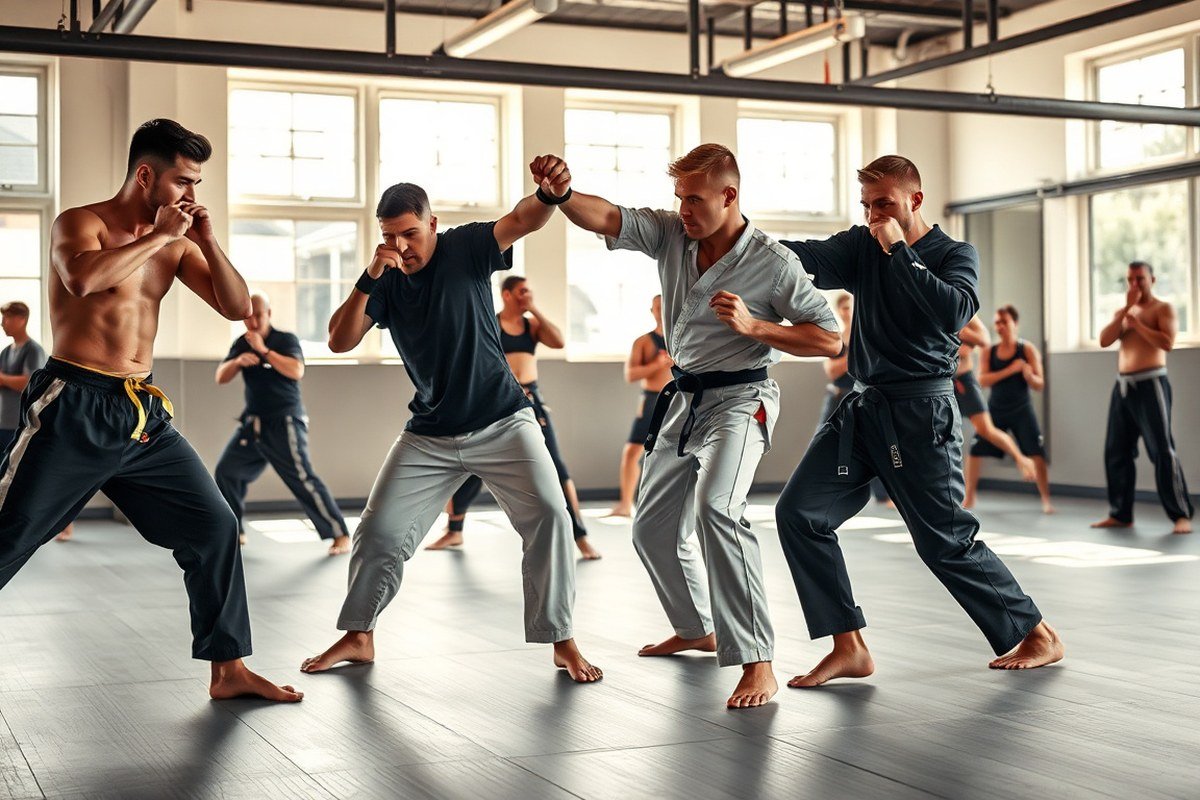
What is the strongest martial art? There is no single strongest martial art since effectiveness depends on training, skill, and context. Brazilian Jiu-Jitsu, Muay Thai, Krav Maga, and Judo are among the top martial arts known for real-world self-defense and competition success. Focus on consistent, focused training to develop practical techniques that suit your situation.
Key Takeaways
- Training intensity often matters more than the martial art itself in building real effectiveness.
- Brazilian Jiu-Jitsu requires years of mastery but is highly effective for ground fighting and joint control.
- Muay Thai uses all eight limbs, offering powerful striking at various ranges.
- Krav Maga emphasizes quick, practical self-defense techniques suitable for unpredictable attacks.
- Judo provides throws and joint locks effective in controlling opponents without striking.
- Match your martial art choice to typical situations you might face, such as sport competition or street defense.
Which Martial Art Is Considered the Strongest and Why?
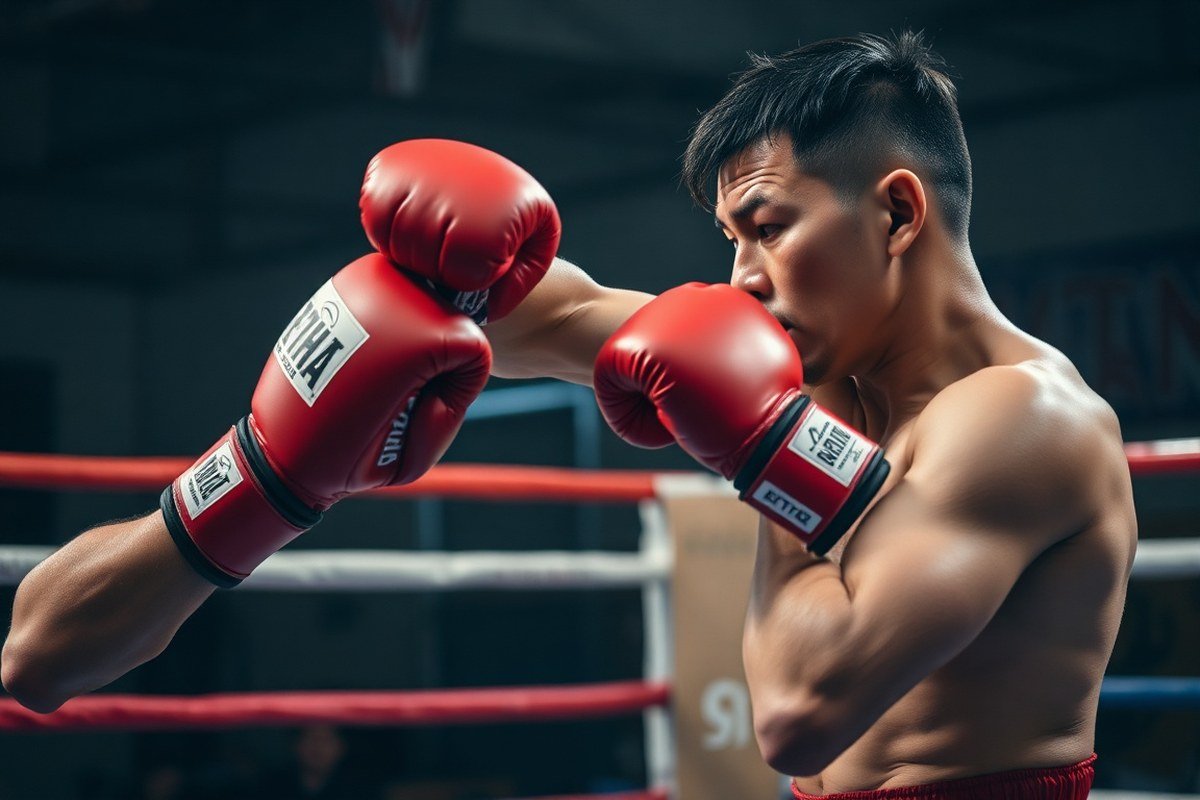
Muay Thai is often ranked as the strongest martial art for its powerful striking techniques driven by rotational hip torque and shin conditioning. Its Destructive striking uses the “art of eight limbs,” incorporating fists, elbows, knees, and shins, enabling fighters to deliver high-impact strikes that can incapacitate opponents quickly. This makes Muay Thai an especially effective choice for stand-up fighting and competition where striking power matters most.
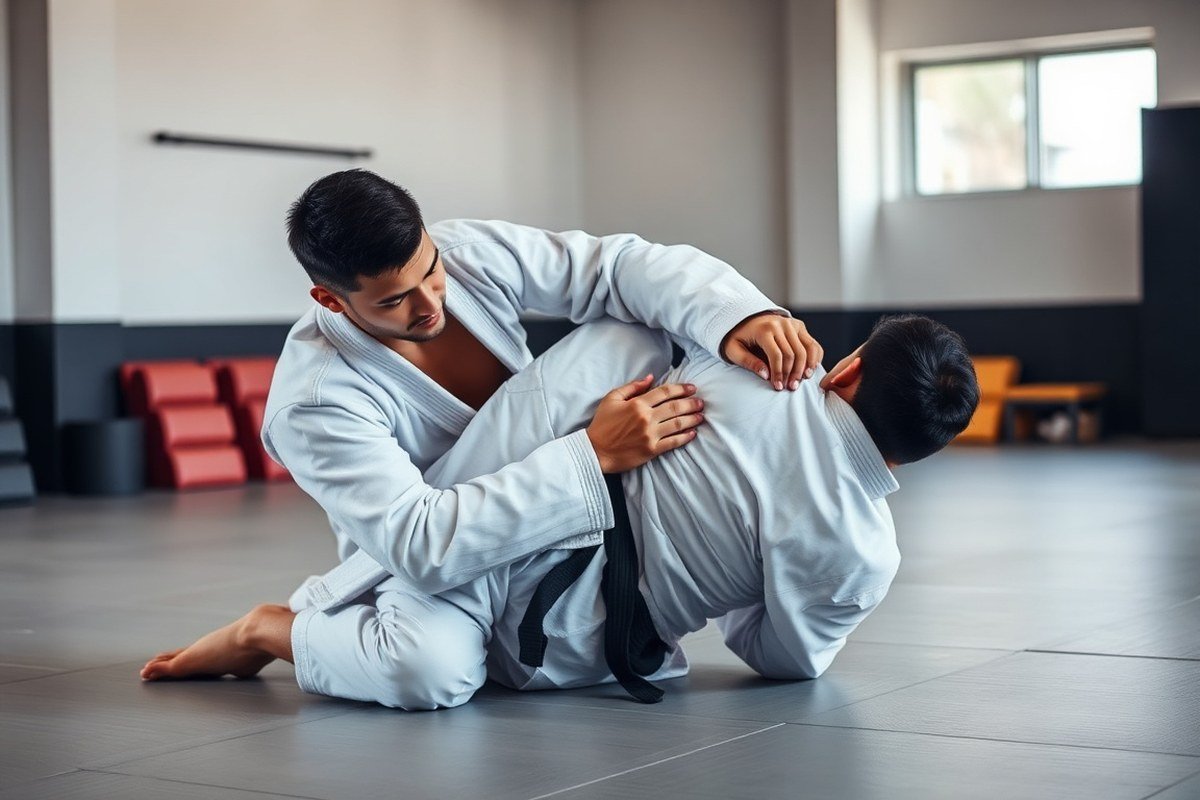
Brazilian Jiu-Jitsu (BJJ) holds a top position for grappling and ground control. It excels through mechanical use and joint manipulation, allowing practitioners to neutralize larger or stronger opponents by gaining positional dominance. BJJ is less effective for striking but shines in one-on-one combat, especially where endurance and control on the ground are critical.
Wrestling provides physical control via explosive leg drive and core stability. Its strength lies in takedowns and maintaining dominant positions, making it a solid foundation for both defensive and offensive grappling. Boxing contributes with its rapid punching velocity generated by a kinetic chain that transfers power from the floor through the fist, focusing on precise striking in competition.
Different martial arts excel in unique ways. Kyokushin’s high-impact body conditioning builds bare-knuckle durability, while Judo uses the opponent’s mass to execute powerful throws, offering impact force as a strength. Krav Maga stands out for practical self-defense by combining these techniques for quick threat neutralization, focusing on real-world survival rather than sport.
| Martial Art | Power Source | Core Techniques | Strengths |
|---|---|---|---|
| Muay Thai | Rotational hip torque & shin conditioning | Strikes with fists, elbows, knees, shins | Destructive stand-up striking |
| Brazilian Jiu-Jitsu | Mechanical use & joint manipulation | Ground control & submissions | Positional dominance, endurance |
| Wrestling | Explosive leg drive & core stability | Takedowns & pins | Physical control, positioning |
| Boxing | Kinetic chain from floor to fist | Punching | Speed & precision in striking |
| Kyokushin | High-impact body conditioning | Bare-knuckle strikes & blocks | Durability, toughness |
| Judo | Using opponent’s mass | Throws & impact force | Use-based takedown power |
Choosing the strongest martial art depends on your goals. For striking power and competition, Muay Thai or Boxing works well. For grappling and self-defense, Brazilian Jiu-Jitsu and Wrestling dominate. Those seeking a complete self-defense system might lean toward Krav Maga, which integrates techniques from multiple arts for practical, quick neutralization of threats. Knowing how these powerful techniques develop, through conditioning, use, or explosive movement, helps you focus on the martial art that fits your style and situation best.
How Training and Skill Development Affect Martial Art Strength
Training frequency and skill acquisition timelines play a critical role in developing martial art strength. Practitioners typically need 1 to 3 years of consistent training, about 3 to 5 times per week, to reach proficiency in most popular martial arts like Krav Maga, Muay Thai, or Brazilian Jiu-Jitsu. Early stages focus on basic techniques and conditioning, while intermediate phases improve timing, accuracy, and sparring ability. Advanced skill development involves live sparring or rolling, which simulates real combat and builds mental resilience.
Physical conditioning impacts effectiveness just as much as technique. Strength training alongside martial arts practice boosts metabolism, endurance, and power, which supports more explosive and sustained movements. Conditioning improve your ability to maintain peak performance under stress and fatigue, making a significant difference during actual self-defense or competition scenarios.
The mental aspect, including toughness and clarity, strongly influences your success. Martial arts like Krav Maga emphasize mental speed and real-world application, separating the well-trained from the less-prepared. Consistent sparring and situational drills develop quick decision-making and stress management, which are important for practical self-defense.
Effective training habits involve more than just hitting the mats. Regular practice combined with strength workouts, proper nutrition, and resting adequately maximizes improvement. Avoid overtraining by listening to your body’s signals to prevent burnout or injuries, which can stall progress. Tailoring your training to your goals, whether self-defense or competition, will help you get the most strength and skill out of your martial art practice. For example, competition-focused athletes may prioritize sparring frequency and technique drilling, while self-defense practitioners benefit from scenario-based training and mental conditioning.
Situational Effectiveness: Choosing the Right Martial Art for Your Needs
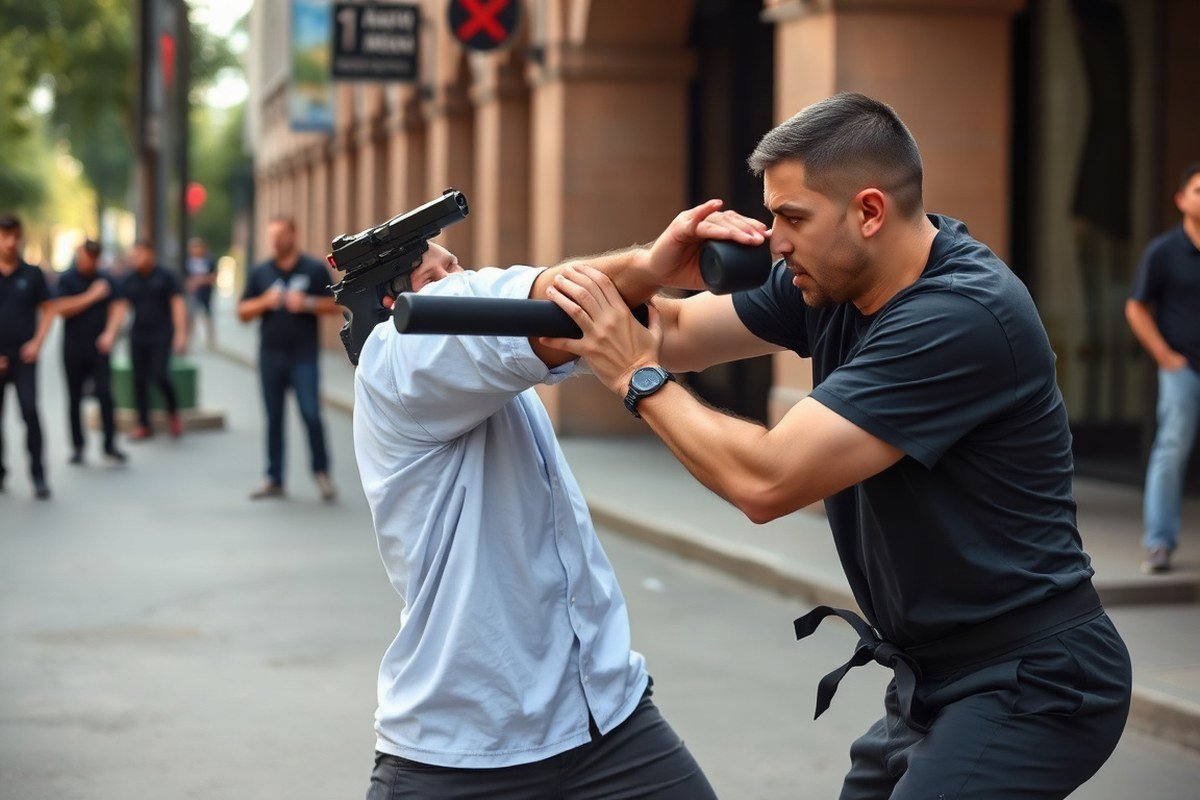
Martial arts differ greatly in how they perform across street defense, sport, and military scenarios. For example, Krav Maga specializes in practical self-defense, prioritizing quick, effective responses to threats often found in real-world encounters. Brazilian Jiu-Jitsu excels in ground fighting, which is critical in street fights where altering the fight’s range matters. In contrast, sports like Taekwondo focus on high kicks and regulated competition rules, which can limit their direct applicability in unpredictable street situations.
Choosing martial arts based on Situational adaptability matters because fights vary in environment, threat level, and allowed techniques. Combat Sambo’s versatility, combining stand-up and ground fighting with weapon defense, suits military and police needs that demand flexible responses. Similarly, Silat emphasizes joint locks and strikes useful in close-quarter confrontations and weapon encounters, making it valuable for law enforcement.
Combining styles can improve your real-world results by covering different ranges and combat aspects. Mixed Martial Arts (MMA) highlights this advantage by blending wrestling, Muay Thai striking, and Brazilian Jiu-Jitsu groundwork, adapting well to both sport and self-defense. However, training quality and your ability to apply techniques under pressure weigh more heavily than the art alone.
Use this checklist to decide which martial art fits your lifestyle and goals: First, assess your physical condition, arts like Taekwondo demand flexibility and leg strength, while Judo requires balance and grip strength. Next, define your focus: sport competition or street defense. Consider your tolerance for risk, since street defense may involve greater danger and injury risk. Finally, factor in your willingness to train consistently; arts effective in real scenarios like Krav Maga or Combat Sambo require ongoing practice to retain quick reflexes and situational awareness.
Less adaptable styles with strict rules or single-focus techniques risk underperforming in unpredictable situations. Opt for arts encouraging creativity and mental readiness to handle threats beyond textbook scenarios. Training with a mindset of adaptability and using complementary styles helps ensure you respond effectively across the many faces of conflict you might face.
Common Myths and Safety Considerations When Training Martial Arts
Common myths about the strongest martial art often lead people to expect instant mastery or think one style is unbeatable. Some believe that a martial art labeled “deadly” guarantees real-life effectiveness without considering training quality. Others assume that more intense or aggressive styles must be the strongest, overlooking that controlled techniques and smart practice can prevent injuries and improve skill. These misconceptions can increase risk during training and slow progress.
Training in martial arts is generally safe when proper safety measures are followed. Disciplines like Muay Thai, known for its striking power, have reported injuries and even fatalities in competition, underscoring the need for professional guidance. Controlled environments with clear rules reduce risks significantly. Traditional martial arts such as Taekwondo and Karate typically focus on controlled techniques, which lowers injury rates. Following gym policies on sparring intensity and protective gear plays a big role in staying safe.
Common injuries include sprains, bruises, and strains, often from repetitive movements or poor technique. To avoid these, warm up thoroughly for 10 to 15 minutes before training and adhere to correct form during practice. Rest days and cross-training help prevent overuse injuries. Using the right protective equipment like mouthguards, shin guards, and headgear is essential when sparring. Regularly communicate with your instructor about pain or discomfort early to adjust training accordingly.
Choosing a quality martial arts school starts with researching instructors’ credentials and teaching experience. Look for certified black belts or instructors with recognized certifications, such as Kukkiwon certification in Taekwondo. A good school prioritizes student safety with clear warm-up routines, safety rules, and gradual skill progression. Trial classes can help assess if the coaching style and training atmosphere fit your goals. Avoid schools that rush students into live sparring or skip proper fundamentals, as this increases injury risk and limits long-term development.
Top Martial Arts Used in Mixed Martial Arts and Their Unique Strengths
Mixed Martial Arts (MMA) blends several martial arts to create a dynamic fighting style effective in competition and self-defense. The core foundation of MMA success includes Brazilian Jiu-Jitsu, wrestling, Muay Thai, boxing, and judo. Each has unique strengths that complement one another during fights, offering both striking and grappling techniques.
Brazilian Jiu-Jitsu (BJJ) focuses on ground fighting and submissions, allowing a fighter to control and defeat an opponent regardless of size differences. It shines in close combat and teaches how to apply chokes and joint locks effectively. Practicing BJJ requires patience, drilling techniques repeatedly, and sparring to master timing and use, usually over several years.
Wrestling is an ancient grappling art known for takedowns and control. It offers a strong base in physical conditioning and balance, helping competitors dictate where the fight goes. Wrestlers in MMA use clinch work to bring fights to the ground, wearing opponents down with relentless pressure. Training includes intense drills and live wrestling matches, often demanding high-level stamina and strength.
Muay Thai, called the “art of eight limbs,” excels in powerful striking using fists, elbows, knees, and shins. It improves stand-up fighting skills and conditioning. A practitioner learns combinations, clinch techniques, and defensive movements through focused pad work and sparring. The rigorous physical demands develop both power and endurance critical in MMA bouts.
Boxing contributes precise punching, head movement, and footwork. Boxers in MMA refine timing and accuracy to exploit openings while defending against strikes. Training includes bag work, shadowboxing, and sparring with controlled intensity. It improve hand speed and reflexes, helping fighters maintain offensive pressure.
Judo provides throws and takedowns from the clinch, enabling a combatant to off-balance and project opponents onto the ground efficiently. This complements wrestling by adding variety to grappling entries. Judo practice involves drilling throws, balance exercises, and live sparring called randori, emphasizing technique over brute strength.
| Martial Art | Primary Strength | Key Techniques | Training Focus |
|---|---|---|---|
| Brazilian Jiu-Jitsu | Ground control & submissions | Chokes, joint locks, positional control | Technique drilling, sparring |
| Wrestling | Takedowns & control | Double-leg takedown, clinch control | Conditioning, live wrestling matches |
| Muay Thai | Striking power & versatility | Elbows, knees, kicks, punches | Pad work, clinch, sparring |
| Boxing | Precision striking & defense | Jabs, combinations, head movement | Bag work, footwork drills, sparring |
| Judo | Throws & takedowns | Hip throws, trips | Drilling, randori (live sparring) |
Traditional martial arts often emphasize discipline, philosophy, and specific techniques, some with limited application in MMA’s competitive environment. Modern combat systems, like MMA, prioritize live sparring, adaptability, and the combination of striking and grappling. Training under realistic conditions develops mental toughness, important for competition. Staying calm and strategic while under pressure provides a decisive advantage during fights.
Your First 30 Days: A Quick-Start Plan for Choosing and Training in a Strong Martial Art
Start building your martial arts skills with focused steps that match your goals. Track your progress by how comfortable and confident you feel performing basic techniques and understanding training concepts.
- Before you start: Research local martial arts schools and styles with a reputation for effective self-defense or competition. Check reviews and visit classes to see which feels right for you.
- Week 1: Attend beginner classes in your chosen martial art twice to three times this week. Measure success by understanding and performing fundamental moves taught in class.
- Weeks 2-3: Supplement class training with solo practice at home or the gym 3-4 times per week. Notice improvements in your coordination and technique precision.
- Week 4: Participate in a sparring or controlled partner drill session to experience real-time application. Your progress shows when you can apply learned techniques without hesitation.
- After 1 month: Evaluate your physical conditioning and skill progression. If you feel stronger and more confident, continue consistent training; if not, consider revisiting your martial art choice or increasing practice frequency.
Frequently Asked Questions
What Factors Make a Martial Art Strong?
A martial art’s strength depends on adaptability, technique, and situational effectiveness. Different arts excel in various contexts like self-defense or sport, making no single style the absolute strongest overall.
Can Body Type Influence Which Martial Art Is Best for Strength?
Yes, your body type affects your martial art choice, as some styles favor speed and flexibility, while others focus on power and use. Matching your natural attributes with a style increases training and combat effectiveness.
Is Physical Power or Skill More Important in Martial Arts?
Skill usually outweighs raw physical power in martial arts, emphasizing technique, timing, and efficient movement. Well-trained practitioners can outperform stronger but less skilled opponents.
Do Hybrid Martial Arts Offer Stronger Self-Defense Skills?
Hybrid martial arts combine techniques from multiple disciplines to increase versatility and adaptability. This can improve self-defense capabilities by allowing you to respond effectively to different attacks.
How Does Competition Success Relate to Martial Art Strength?
High competition success reflects effective training and practical application, but it doesn’t always translate to real-world self-defense. Consider your goals to choose the most suitable martial art.
Key Points to Remember
The strongest martial art for you will depend on your specific needs and dedication to training. What matters most is consistent practice and choosing a style that matches your goals and body type. Start by committing to regular classes and build from there to develop strength and skill.