
How Great Thou Art LDS Hymn: History, Meaning, and Worship Guide
How great thou art LDS worship reflects deep reverence for God’s majesty, expressed through a beloved hymn rooted in scripture and tradition. Singing “How Great Thou Art” connects you to divine praise inspired by Psalm 145:3, emphasizing God’s power and glory. Start by focusing on the hymn’s stirring lyrics and melody to improve your personal or congregational worship experience.
Key Takeaways
- “How Great Thou Art” is based on Psalm 145:3, emphasizing God’s greatness and mighty acts.
- The hymn originated from a Swedish poem by Carl Gustaf Boberg in 1885 and later English translations.
- Billy Graham’s evangelistic crusades popularized the hymn across multiple Christian denominations, including LDS.
- The 1985 LDS Hymnal inclusion marked its official adoption and widespread use in Church worship.
- Listen for Stuart W.’s 1971 LDS musical arrangement that modernized the hymn’s presentation.
- Singing the hymn fosters awe and humble adoration, particularly in moments praising Christ’s second coming.
What Is ‘How Great Thou Art’ in LDS Worship?
The hymn ‘How Great Thou Art’ is deeply valued in The Church of Jesus Christ of Latter-day Saints as it eloquently expresses admiration for God’s majesty. Although it did not originate within the LDS Church, the hymn is listed as number 86 in the official LDS Hymnal, reflecting widespread acceptance among members. Its themes of divine creation and the power of God align closely with LDS beliefs.
The hymn plays a significant role in LDS worship, particularly in sacrament meetings and other congregational settings. Singing “How Great Thou Art” invites you to participate deeply in worship by vocalizing feelings of reverence, gratitude, and repentance. The familiar melody and lyrical structure make it accessible for congregational singing, which helps unify the congregation in shared worship.
Congregational performance usually involves singing all verses together, led by a hymn leader or choir. It requires no special instruments beyond an organ or piano, though arrangements may vary slightly depending on the ward or stake. The simplicity of the tune makes it effective for worship settings where the focus is on heartfelt praise rather than musical complexity.
This hymn’s adoption into the LDS Hymnal occurred after widespread recognition of its spiritual power among members, demonstrating how the Church incorporates meaningful worship elements from outside its original repertoire. Its continued use reflects how Latter-day Saint worship balances tradition with meaningful songs that reinforce core doctrines and inspire devotion.
The History and Origins of ‘How Great Thou Art’ Hymn
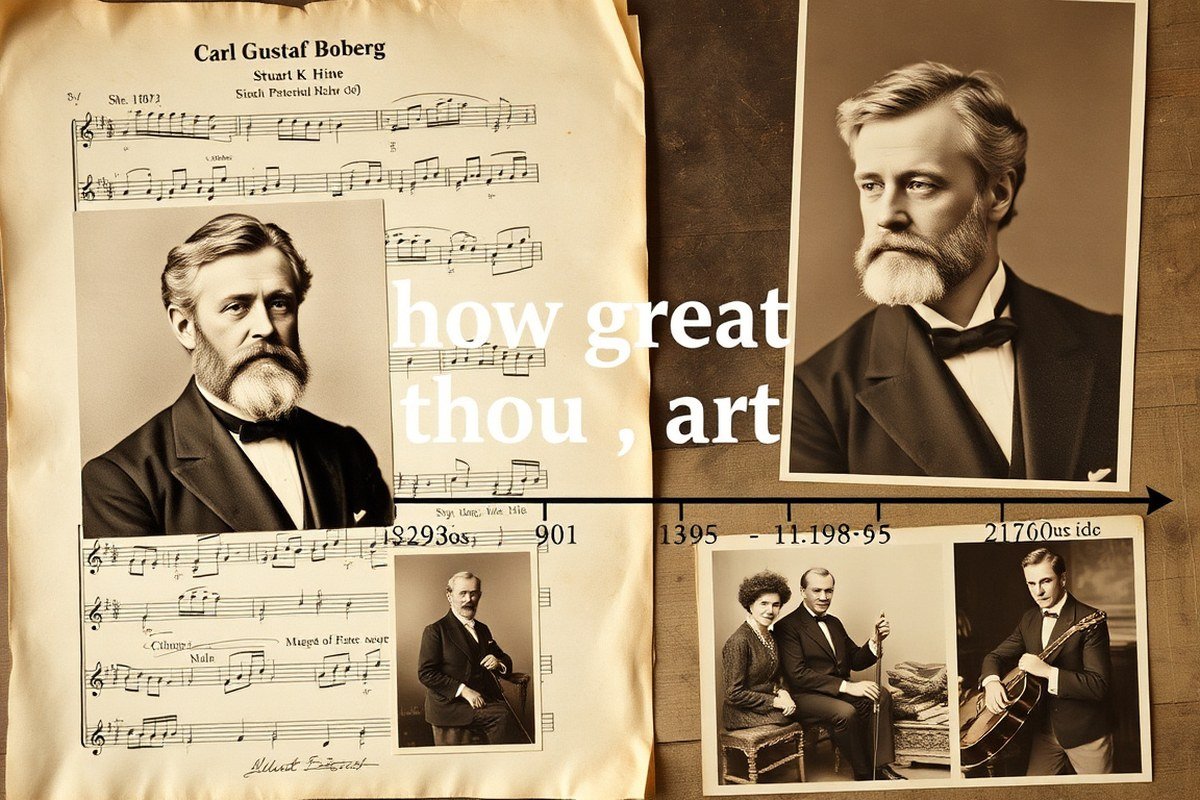
How Great Thou Art began as a Swedish poem titled “O store Gud,” written by Carl Boberg in 1885 after witnessing a powerful storm at sea that inspired him to praise God’s greatness. The poem draws heavily from Psalm 145:3, which celebrates the vastness of God’s works and His unsearchable nature. Boberg’s vivid imagery and heartfelt reverence formed the foundation for what would become this beloved hymn.
In the early 20th century, Stuart K. Hine translated the original poem into English and expanded it with additional verses, creating the version well known today. This adaptation became popular among various Christian denominations. By the mid-1900s, the hymn was included in several Protestant hymnals and eventually found a place in the LDS hymnbook by the late 20th century, marking its growing significance within the LDS community.
The hymn’s biblical inspiration rests primarily on Psalm 145:3, and its lyrics echo themes of divine majesty, creation, and salvation, doctrines compatible with LDS theology. Unlike hymns composed exclusively by LDS members, such as “Nearer, My God, to Thee,” How Great Thou Art stands out because of its international origin and broad Christian appeal. This widespread popularity likely influenced the LDS Church’s decision to include it, especially during periods when members sought hymns that fostered unity and expressed universal faith.
Historical events such as mid-century ecumenical movements increased interest in shared hymns across Christian groups, coinciding with the LDS Church’s expansion and efforts to connect with a larger Christian community. The hymn’s role in LDS worship grew steadily, aided by modern recordings from prominent LDS choirs and artists, which further embedded the hymn into local and global LDS cultural practices.
Spiritual Meaning and Theological Significance in LDS Context
“How Great Thou Art” reflects core LDS doctrines through its profound emphasis on God’s majesty, the Atonement of Jesus Christ, and heartfelt worship. The hymn’s lyrics celebrate God as the Creator, echoing the LDS belief in a personal, loving Heavenly Father who oversees all creation. It acknowledges Jesus Christ’s role in salvation, mirroring LDS teachings on the Atonement’s centrality to redeeming humanity. These themes invite worshippers to recognize divine power while embracing the need for individual repentance and grace.
Singing this hymn improve worship by fostering humility and reverence, which are essential to personal conversion and spiritual growth. The lyrics engage both the mind and heart to acknowledge God’s vastness and mercy, deepening faith as worshippers reflect on their relationship with Him. The act of singing together also strengthens communal worship, uniting the congregation in a shared expression of devotion consistent with the LDS focus on both individual and collective faith.
Several spiritual themes within the hymn align closely with LDS theology. These include recognition of God’s creative power, gratitude for Christ’s redeeming sacrifice, and the promise of eternal life, all fundamental gospel principles. The hymn’s message bridges the grandeur of the natural world with personal salvation, helping you connect universal truths to your individual spiritual journey.
When incorporating “How Great Thou Art” into worship, choose moments that invite reflection, such as sacrament meetings or temple services. Encourage the congregation to contemplate the lyrics deeply rather than sing just as a routine. This intentional approach requires a slower tempo and clear enunciation to highlight the hymn’s doctrinal richness and allow time for spiritual meditation. Doing so results in a more meaningful worship experience, strengthening both personal testimony and group unity.
LDS Adaptations and Musical Arrangements of the Hymn
LDS adaptations of “How Great Thou Art” include several notable arrangements that blend traditional hymnody with modern worship styles. One significant version is the 1971 arrangement by Stuart W., which has been popular in LDS chapels. This arrangement retains the original hymn’s progression, from creation to redemption, while introducing nuanced musical phrasing that improve congregational singing. Compared to other Christian versions, LDS hymn lyrics remain faithful to the core message but emphasize gospel themes consistent with LDS doctrine, such as highlighting the plan of salvation and the role of Jesus Christ.
Contemporary LDS artists such as Steven Sharp Nelson from The Piano Guys have blended “How Great Thou Art” with modern musical styles, typically using cello and piano alongside orchestral arrangements. These renditions function as devotional music and live performances, featured in concerts and recordings accessed by LDS listeners globally. The new versions allow members to experience the hymn in settings outside the usual worship, broadening its presence in both religious services and shows.
For LDS worship leaders and musicians wishing to teach or lead this hymn, resources include authorized sheet music and arrangements available through official LDS stores and music websites. These often come with piano, vocal, and sometimes choral parts, supporting different skill levels. The exact cost varies, typically ranging from $5 to $15 for digital sheet music. Teaching steps start with learning the melody and lyrics, then moving to harmonies and instrumental parts. Practicing in small groups before congregational introduction often yields the best results.
Staying current with new faith-based recordings and live performances can improve your understanding and appreciation of “How Great Thou Art” within LDS worship. Educational content from LDS music blogs and stores provides insights on vocal technique, arrangement choices, and historical context. These tools help worship leaders and musicians prepare meaningful presentations of the hymn that uplift and inspire. Avoid versions without authorization or unclear copyright status to respect intellectual property and obtain quality arrangements.
Incorporating ‘How Great Thou Art’ Effectively in LDS Worship
How Great Thou Art serves as a powerful tool in LDS worship, especially during ordinances like sacrament meeting or special events such as Christmas and Easter. Use it as a quiet moment of reflection or to invite the Spirit before or after the ordinance. Plan to sing it slowly and reverently, allowing the congregation to connect with God’s majesty and love. Usually, beginning with a solo or small group can prepare the congregation, then invite full participation to improve communal worship.
To perform the hymn congregationally, ensure the chosen key fits the vocal range of most attendees, often in G major or F major. The music director or organist should lead a clear introduction to the first verse, then guide the congregation through each stanza with balanced tempo and volume. Practice a gentle buildup toward the chorus while maintaining softness in the verses to encourage heartfelt singing. This approach invites worshipers to meditate on the lyrics rather than focusing solely on melody.
Singing this hymn boosts worship by opening hearts to a profound spiritual connection. Its familiar melody and powerful words remind you of God’s greatness, helping the congregation experience adoration collectively. This shared experience can bring comfort and renewal, especially during times of personal or community challenges. Take care that hurried tempo or poor coordination does not detract from the reflective atmosphere the hymn creates.
Looking ahead, How Great Thou Art may be adapted in new musical arrangements within LDS worship to fit different cultural settings or to incorporate more varied instruments. Worship leaders should stay flexible and sensitive to the Spirit, balancing tradition with fresh expression. Use a checklist before services: confirm hymn key, rehearse transitions, and prepare introductions and closings that guide worshipers into genuine reverence and praise.
Getting Started with ‘How Great Thou Art’ in Your LDS Worship
Use this plan to introduce or deepen the use of How Great Thou Art in your ward or family worship. Each step builds on familiar LDS practices and helps you see its impact.
- Before your next meeting: Review the hymn lyrics and melody in the current LDS Hymnbook version to understand its theology and tune. You’ll know it’s ready when you feel comfortable leading or singing along confidently.
- Week 1: Suggest singing the hymn during a Sunday sacrament meeting or a youth devotional. Observe the congregation’s engagement levels and note if people seem reflective or uplifted after the hymn.
- Week 2: Discuss the hymn’s themes in a Gospel Doctrine class or family study. Ask participants to share their thoughts about God’s greatness as expressed in the hymn. Success means hearing personal connections to the hymn’s message.
- Week 3: Arrange for a musical arrangement of the hymn by ward musicians like a choir or organist. If performers express readiness and members comment positively, this shows good reception.
- Week 4: Encourage regular use of the hymn at family prayer or home worship, perhaps by assigning family members to lead singing. Notice if the hymn brings a sense of peace or unity.
- After 1 month: Reflect on how the hymn enriches worship and consider inviting feedback from ward leaders or music directors. Use this input to plan future hymn selections that resonate similarly.
Frequently Asked Questions
What Is the Role of “How Great Thou Art” During LDS Sacrament Meetings?
It serves as a moment of reflection and gratitude, reinforcing repentance and devotion during the sacrament ordinance. Singing it helps create a spiritually focused atmosphere, improving the worship experience.
How Do LDS Youth Groups Typically Use “How Great Thou Art” in Their Activities?
Youth groups often sing the hymn to foster unity and spiritual growth. It encourages reverence and shared faith among younger members during devotionals and camps.
Has “How Great Thou Art” Undergone Changes in LDS Hymnals over Time?
Yes, minor adjustments in wording and arrangement have helped the hymn better align with LDS theology and worship style. These tweaks keep it relevant and meaningful.
Can “How Great Thou Art” Be Accompanied by Instruments in LDS Worship?
Yes, it’s commonly played with piano and organ, sometimes with guitar. Musical accompaniment supports congregational singing and deepens emotional connection.
What Is the Best Time During an LDS Service to Sing “How Great Thou Art”?
It’s often chosen for sacrament meetings or special occasions like fast Sundays or general conferences. The hymn’s tone fits moments of reverence and worship.
Key Points to Remember
How Great Thou Art holds a significant place in LDS worship by connecting members to the majesty of God and the beauty of creation. The hymn’s rich history and adaptation into LDS services help you express faith in a powerful way. Make this hymn a regular part of your worship settings to experience its spiritual depth firsthand.