Why Is Modern Art so Bad? A Complete Guide to Understanding Its Criticism
“Why is modern art so bad” often comes up because many people struggle to understand its abstract and conceptual style. Modern art isn’t inherently bad; its value depends on perspective and context, especially when it challenges traditional ideas. Start by looking past familiar forms and explore the ideas or emotions the art tries to express.
Key Takeaways
- Abstract and conceptual approaches in modern art can feel inaccessible but invite personal interpretation.
- Confusing modern art with contemporary art often fuels misunderstandings.
- High auction prices for unusual works can make modern art seem like an elitist status symbol.
- Elitism and commercialization influence public perception of modern art’s value.
- Modern art’s purpose often includes provoking dialogue rather than pleasing traditional tastes.
- Media coverage tends to highlight controversial or expensive pieces amplifying skepticism.
Why Do People Often Say Modern Art Is Bad?
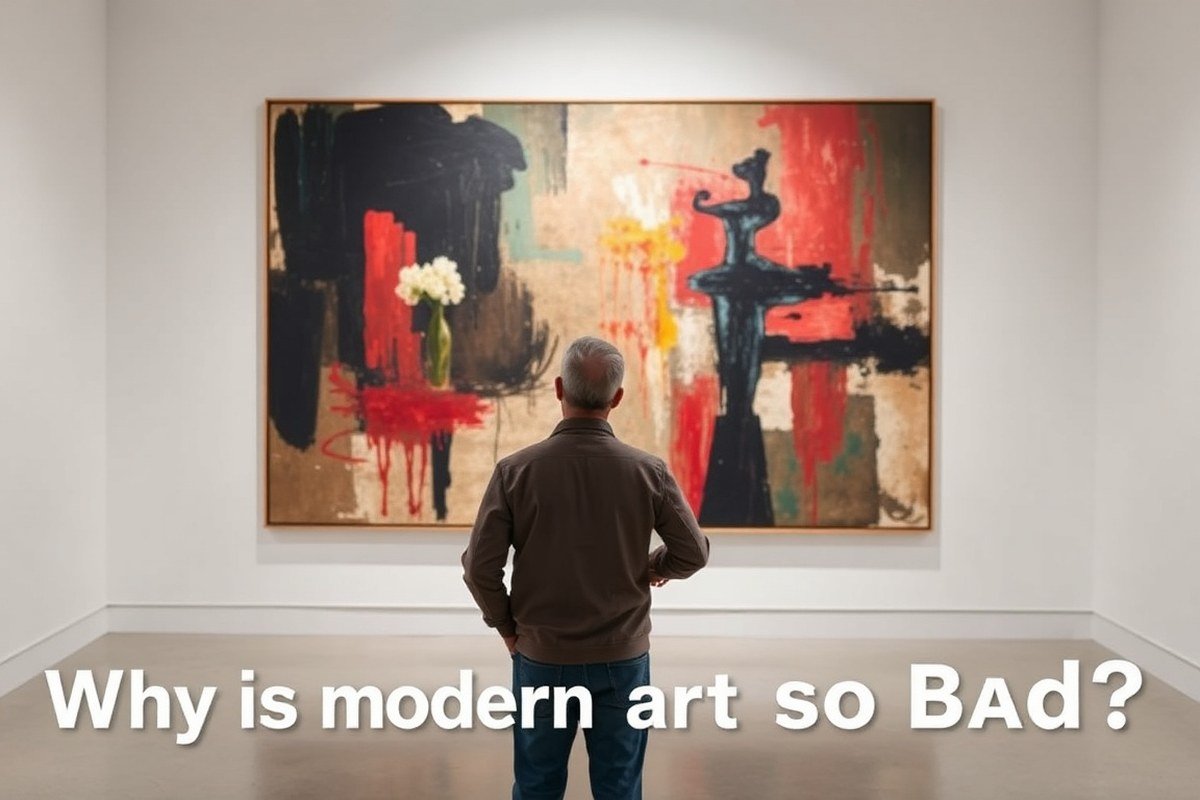
Many people say modern art is bad because they confuse it with contemporary art, which is the art created today across varied styles and ideas. Modern art specifically covers an art period from the late 1800s to the mid-1900s, focusing on innovation and breaking from traditional techniques. In contrast, contemporary art is broader and more experimental, which often frustrates people unfamiliar with its rapidly changing forms.
The negative perception usually comes from modern art’s emphasis on ideas over technical skill. For example, a traditional painting like Rembrandt’s detailed portraits clearly display mastery in technique and realism, making it easier to appreciate. Modern art, such as Picasso’s Cubist pieces, breaks those visual rules to highlight concepts and provoke thought. This shift can feel confusing or meaningless to those expecting art to represent reality or beauty.
Many people think modern art is bad because it challenges their expectations and social norms. The abstract shapes or simple lines might look like “scribbles,” leading some to say, “I could do that.” Yet these works often require understanding of historical context or artistic intent to grasp their value. This gap in understanding contributes to calling modern art bad when it might simply be misunderstood.
Adding to this sentiment, modern art often serves as a status symbol in elite art circles, which can make it seem exclusive or disconnected from everyday experience. The absence of familiar standards, like lifelike imagery or clear narratives, makes it easier to dismiss modern art as lacking skill or meaning. Evaluating modern art requires recognizing its break from traditional forms and appreciating the new ideas it explores.
How Abstraction and Conceptualism Affect Modern Art’s Reception
Modern art’s focus on Abstraction and conceptualism shifts the emphasis from traditional realism and technical skill to ideas and subjective interpretation. Unlike classical art, where artists trained for years to master precise techniques and realistic forms, many modern works prioritize conveying a message or provoking thought over displaying craftsmanship. This change often makes modern art feel inaccessible or confusing to viewers accustomed to judging art by its visual clarity and technical execution.
The difference lies in how traditional and abstract-conceptual art approach Aesthetic beauty and meaning. Traditional art usually aims for harmony, detail, and lifelike representation, providing immediate visual appeal. In contrast, modern works invite viewers to engage with underlying concepts, sometimes using abstract shapes or unconventional materials rather than recognizable images. This can result in artwork perceived as lacking effort or skill, even though it requires a different kind of creativity and intellectual engagement.
| Traditional Art | Abstract/Conceptual Art |
|---|---|
| Realistic representation | Non-representational or symbolic |
| Mastery of technique (brushwork, shading, perspective) | Emphasis on ideas over craft |
| Clear, immediate visual appeal | Requires interpretation and context |
| Relies on physical skill and training | Often challenges definitions of art itself |
To better interpret abstract pieces, you can start by learning about the artist’s background and the historical or cultural context of the work. Look beyond surface appearances and consider questions like: What emotions or ideas might the artist be expressing? How do the shapes, colors, or materials relate to those ideas? Engaging with open-ended questions helps you find personal meaning rather than expecting a clear image. This approach takes patience and willingness to explore, and it may not satisfy viewers seeking technical beauty alone.
Many people struggle with modern art because it requires different expectations and interpretation methods than traditional art. The cost is that it can feel less immediately satisfying while asking for active intellectual participation. However, understanding this shift allows you to appreciate modern art as a space for new conversations, even if you still prefer more traditional forms.
The Impact of Elitism and Commercialization on Modern Art’s Value
Elitism in art education and institutions can make modern art feel inaccessible. Many art programs, galleries, and critics emphasize theory and historical context that might seem obscure or irrelevant to the average viewer. This creates a barrier where understanding modern art appears reserved for the privileged few, reinforcing the idea that modern art is less about creativity and more about fitting into a specialized cultural elite. You can spot this elitism when artworks are described using jargon or when admission to exhibitions depends heavily on credentials or social connections rather than the art itself.
The art market and commercialization also play substantial roles in shaping opinions on modern art’s value. Modern art prices can reach millions, often influenced by brand names, celebrity collectors, and auction hype more than artistic merit. Art becomes a Status symbol tied to wealth and investment. For example, purchasers may buy large, provocative pieces primarily for prestige, not personal enjoyment or creative appreciation. This commercial focus can cause artists and galleries to prioritize market trends over genuine expression, leaving many critics and viewers skeptical about the quality of modern art.
To identify elitism and market-driven art, check if an artwork’s reputation relies heavily on institutional validation or price tags rather than clear, independent artistic qualities you can appreciate on your own. These signs include limited explanations accessible to general audiences, emphasis on artist brand over content, and auction results that consistently drive public attention. Art that offers meaning or emotional impact apart from commercial context often stands out as more authentic. Recognizing the influence of elitism and commercialization helps you understand modern art’s divided reputation and choose how deeply to engage with its complex world.
How Media and Cultural Changes Shape Opinions on Modern Art
Media plays a key role in shaping how modern art is perceived. Controversial works often receive intense coverage on various platforms, which can amplify public reactions. For example, in the 1910s, Marcel Duchamp’s “Fountain” shocked audiences and sparked debate through newspapers and art journals. Today, social media accelerates this effect, with viral posts and hot takes spreading opinions quickly. To critically consume media about art, Look for multiple viewpoints and check the credibility of sources. Avoid relying solely on sensational headlines or viral clips that might oversimplify complex themes.
Cultural and social changes influence modern art’s style and content by reflecting evolving values and global interactions. Movements like feminism, racial justice, and postcolonialism have introduced themes that challenge traditional aesthetics. Popular culture also seeps into art, blending everyday symbols and media references. Technology expands these influences further: Digital tools and software let artists explore new forms, from digital painting to interactive installations.
The rise of digital and NFT art has reshaped modern art’s landscape by opening new platforms for artists to reach global audiences instantly. NFTs offer a way to verify ownership and sell digital works, changing how value is assigned. However, these developments require audiences to navigate unfamiliar formats and tools, which can affect appreciation. Staying informed about how digital art works and the context behind NFTs helps you understand their place in modern art.
Modern art’s reception is deeply tied to these evolving media narratives and cultural shifts. By engaging critically with sources and exploring the technological context, you can better navigate its often challenging landscape. Viewing modern art through this lens reveals its ongoing conversation with society and technology, rather than just surface reactions.
Practical Steps to Better Understand and Appreciate Modern Art
Approaching modern art starts with setting aside common myths. Many assume modern art is simply less skilled or that it must appeal visually first. The truth is modern art often values the Concept or idea over traditional skill, which can make it seem inaccessible at first glance. Understanding this lets you shift from judging technique to interpreting meaning.
Begin with a simple checklist when you face an abstract or conceptual piece: Identify the medium and style, ask what idea or question the work presents, consider how you feel or react, and research any cultural or artist background if possible. This process helps reveal layers beyond appearance and shows why the artist chose certain forms or materials.
Tips vary depending on context. In a gallery, take your time and read exhibit notes before forming opinions. For immersive or interactive installations, engage actively, touch, move, or listen if allowed, because the artist’s message may rely on participation. At home or online, use digital resources to explore related works or artist interviews, as modern art often connects to broader social or historical themes.
Developing this skill demands patience and curiosity, which might feel time-consuming compared to simply admiring classical art’s craftsmanship. The reward comes with deeper understanding and a more nuanced personal response. Recognizing that you’re learning to appreciate the Idea behind the art rather than just its look can shift your critique from “bad” to thought-provoking.
Step-by-Step Action Plan to Engage with Modern Art
Start your journey to a clearer understanding and appreciation of modern art with these practical steps. Each phase builds on the last, helping you form your own informed opinions.
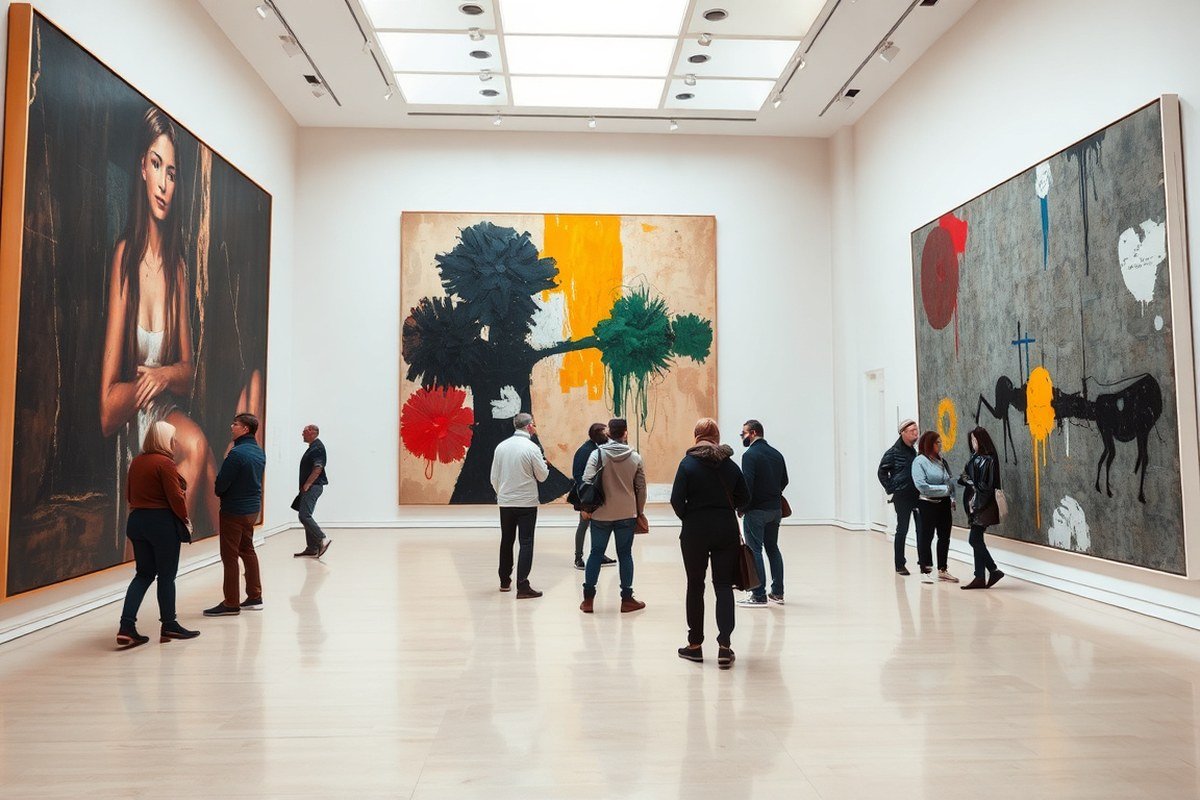
- Day 1: Visit a local museum or gallery exhibiting modern art. Focus on one or two pieces and observe how they make you feel or what they make you think. Note if your reactions change during the visit.
- Week 1: Read introductory articles or watch videos about the styles and concepts behind the pieces you saw. Check if this background knowledge helps you see the artwork differently.
- Week 2: Attend a guided tour or talk at a museum. Listen to expert explanations and see if your understanding deepens or your questions shift.
- Week 3: Discuss what you’ve seen with friends or online communities who follow modern art. See if hearing others’ views affects how you think about the artworks.
- After 1 month: Try sketching or creating art inspired by modern styles. Notice if engaging creatively changes your appreciation of artistic choices you once found confusing.
- Ongoing: Follow contemporary artists or critics on social media. Observe how current discourse shapes your views and keeps you informed.
Frequently Asked Questions
Why Do Some Critics Say Modern Art Lacks Skill?
Critics argue that modern art often breaks from traditional techniques, making it seem less skillful. This shift challenges conventional ideas of craftsmanship but invites new ways to explore creativity.
Is Modern Art’s Value Tied to Market Trends?
Yes, modern art’s price can reflect market demand and status rather than artistic quality. This sometimes leads to skepticism about its true value.
Can Modern Art Provoke Meaningful Conversations Despite Criticism?
Modern art often sparks debate and personal reflection, fulfilling a role beyond aesthetics. Its ability to challenge viewers contributes to its continued cultural relevance.
Do All Modern Artworks Lack Emotional Impact?
Not all modern art feels emotionally distant; some pieces resonate deeply with viewers. Emotional connection varies widely depending on the individual and artwork.
How Does Cultural Background Affect Opinions on Modern Art?
People’s cultural experiences shape how they interpret modern art, influencing whether they like it. Exposure to diverse perspectives can change these views over time.
Before You Go
Many of the negative perceptions about modern art come from misunderstandings of its intentions and context. By actively exploring the works and ideas behind them, you can move beyond initial judgments and build your own perspective. Taking the step to experience modern art firsthand will open up a more personal and meaningful engagement with this diverse field.