
What Are Art Commissions: A Complete Guide to Getting Started Right
What are art commissions refers to a custom artwork created specifically for a client based on their request. The client and artist agree on the concept, size, style, and price before the work begins. Starting with a clear contract helps protect both parties and sets expectations.
Key Takeaways
- Art commissions involve a client commissioning an artist to create personalized artwork according to agreed terms.
- A clear contract with payment terms and revision limits helps avoid misunderstandings and protects both artists and clients.
- Clients typically pay 50% upfront to start the work and the remaining 50% upon completion.
- The price depends on artist experience, complexity, medium, and time required, ranging from $10 to thousands.
- Artists should estimate time spent on the project plus client communication to set fair prices.
- Skill level and reputation heavily influence commission fees, with beginners charging less than seasoned professionals.
What Are Art Commissions and How Do They Work?

Art commissions involve a client hiring an artist to create a custom piece based on specific requests. Usually, you start with an inquiry, where the client describes what they want, including size, medium, subject, and style. Reviewing the artist’s portfolio helps ensure their style fits the client’s vision.
After agreeing on the project basics, the next step is a contract. This outlines deliverables, pricing, deadlines, revision limits (often three rounds), and copyright terms. A deposit, typically around 25% to 50% of the price, is required before work begins. This upfront payment protects both parties and demonstrates commitment.
The artist then creates the artwork, sharing progress updates if agreed upon. Permission is needed from the client before sharing any work in progress publicly. Clients can request revisions within the agreed scope to align the piece with their expectations.
Once the final version is approved, the client completes the remaining payment. Delivery depends on the agreed format, digital images can be sent instantly, while physical pieces require packing and shipping that might take a week or more. Clear communication throughout prevents misunderstandings, ensuring deadlines are realistic and expectations are managed.
Art commissions differ from buying finished art because the work is specifically tailored to the client and guaranteed payment arrives before completion. This process blends creativity with business. Missteps usually arise from unclear contracts or poor communication. Keeping each step transparent helps you deliver a successful commission that satisfies both artist and client.
What Types of Art Can Be Commissioned?
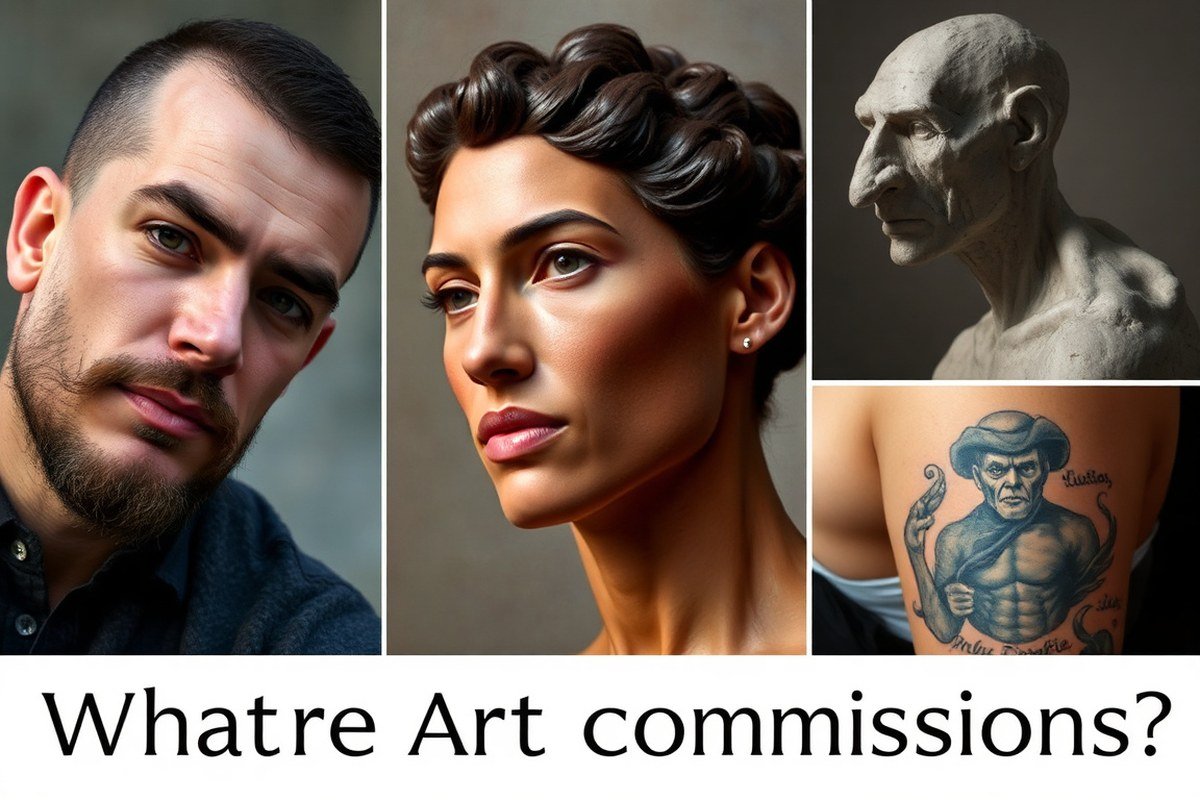
Art commissions cover a wide range of creative expressions, from traditional paintings to digital illustrations and sculptures. The type of artwork you handle shapes the process, client expectations, and how you price and deliver the final piece. Traditional art commissions typically involve physical media like acrylics, oils, or pencil on canvas or paper, often taking longer due to drying times and shipping considerations. Digital art commissions allow faster revisions and delivery but require clear agreements on file formats and usage rights.
Different art forms come with unique workflows and client involvement. Sculptors, for example, often require upfront discussions about materials, scale, and installation, making their process more complex and time-consuming than 2D artwork. Illustrators and tattoo artists also take commissions, but their projects often demand precise, detailed sketches before final approval. Tattoo commissions include health and safety considerations that don’t apply to other types of art. Many artists specialize, defining the types of commissions they accept to focus on work they enjoy and handle reliably.
- Traditional paintings: oil, acrylic, watercolor on canvas or paper, longer creation and drying time
- Digital art: illustrations, character design, concept art, quick revisions, digital file delivery
- Sculpture: clay, metal, wood, large-scale or small, requires materials and space planning
- Graphic design or print art: posters, logos, book covers, focus on client specifications and iterations
- Tattoo art: custom designs applied to skin, involves health regulations and detailed consultations
- Mixed media: combines various materials, careful planning about composition and client involvement
Setting clear boundaries on what you accept helps avoid burnout and ensures quality outcomes. Detailed contracts or commission agreements specifying medium, size, revision limits, and payment schedule protect both you and the client. Expect longer timelines and more revisions with complex forms like sculpture or mixed media compared to straightforward digital work. Delivering professional updates and requesting client feedback at milestones improves satisfaction and reduces surprises.
How Is Pricing Determined for Art Commissions?
Pricing art commissions depends on several key factors including The artist’s experience level, size and complexity of the piece, and the type of artwork requested. Emerging artists often charge less to build a portfolio, while established professionals set higher rates reflecting their skill and demand.
Commissions can be priced using either a fixed rate or hourly wage. To calculate hourly pricing, determine your desired hourly rate, estimate how many hours the project will take, and multiply. For example, if you set $60 per hour and expect 10 hours of work, the commission price would be $600. Fixed pricing requires considering your time plus materials and any extra costs involved.
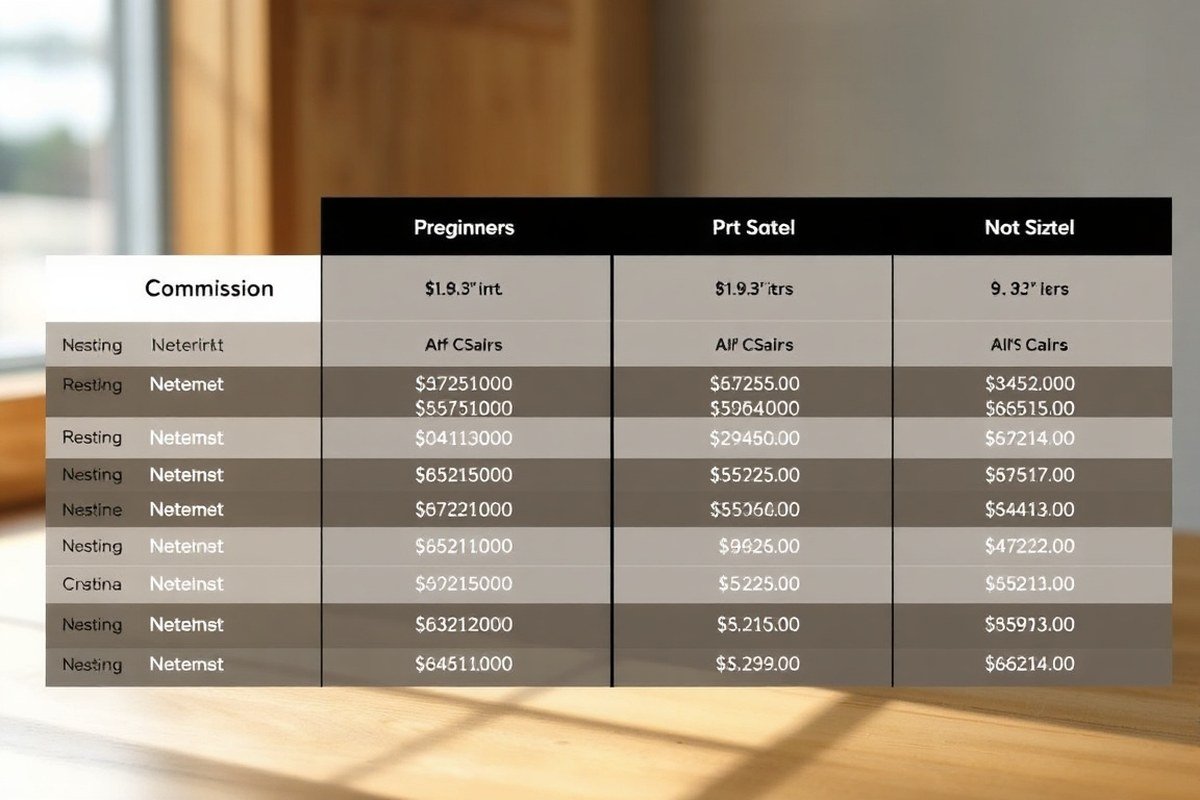
Below is a comparison table illustrating typical price ranges for different art types and artist experience levels. This helps you set appropriate expectations and construct packages that attract clients while providing fair compensation.
| Art Type & Size | Beginner Price Range | Professional Price Range |
|---|---|---|
| Small Portrait (8″x10″) | $100 – $300 | $500 – $1,500 |
| Medium Digital Illustration (11″x17″) | $150 – $400 | $600 – $2,000 |
| Large Traditional Painting (18″x24″) | $300 – $800 | $1,200 – $4,000+ |
| Complex Scene or Multiple Characters | $200 – $600 | $1,000 – $3,500+ |
To develop your pricing, start by estimating the time a commission will take. Include phases like concept sketches, revisions, and final detailing. Multiply by your hourly target rate, then add material costs or licensing fees as needed. This method ensures you cover costs and earn income for your time.
Standard Payment Terms, Methods, and Protecting Yourself
Standard payment terms for art commissions usually require a 50% deposit upfront before work begins, with the balance due upon completion and before the artwork is delivered. This split protects the artist from investing substantial time and materials without assurance of payment. The buyer pays the first half to secure the project, and the final payment confirms satisfaction and triggers shipment or handover.
Artists typically accept payments through secure platforms like PayPal, Venmo, or specialized commission websites such as ArtStation or Artistree.io. Choosing platforms with buyer and seller protections reduces financial risk. Requesting payment upfront or upon milestones keeps the workflow financially viable and reduces potential disputes over money.
To protect yourself legally and financially, draft a contract that clearly outlines the deposit amount, full payment schedule, timeline for delivery, number of included revisions (often two), policies on refunds, and usage rights for the final artwork. The contract should specify who owns the intellectual property and under what conditions the client may use the art. It also helps to define decision rules, such as when the work is considered complete or what circumstances allow the client to cancel the commission.
For example, your contract can state: a 50% deposit is due upon signing, the artist will deliver the final piece within 2-4 weeks depending on complexity, and the client gets two free revisions with extra changes billed at $20 each. Final payment must be received before any artwork is shipped. Include refund conditions to cover cancellations made before or after beginning the work.
Clear contracts and upfront payments minimize misunderstandings and protect your income. Staying organized with payment schedules, timelines, and rights ensures a professional commission process that keeps your business sustainable and your client relationships positive.
How to Manage Communication and Expectations with Clients
Clear communication with clients establishes trust and minimizes misunderstandings throughout your art commission project. Begin with a script like this for initial inquiries:
“Thank you for your interest in commissioning artwork. Please share any ideas or references you have, and I’ll provide a quote and timeline based on the details.”This sets a professional tone and invites specifics.
When requesting deposits, be explicit about terms:
“To begin your commission, a 50% deposit is required. This secures your spot and covers initial materials. The remaining balance is due upon completion.”This clarifies payment expectations and protects your business.
Managing revisions means setting boundaries upfront. Most artists include 1 to 3 revision rounds in their pricing. Use a revision update script like:
“I’ve completed the first draft. Please review and share any adjustments within two days. Additional revisions outside of the agreed rounds may incur extra fees.”This keeps feedback focused and prevents endless changes.
- Respond promptly, ideally within 24 hours, to show professionalism.
- Keep all project details and communications in writing.
- Be clear about what is and isn’t included in the commission.
- Explain timelines and avoid overpromising delivery dates.
- Establish realistic expectations about the art style and medium.
- Politely decline requests that don’t fit your skills or schedule.
- Thank clients after completion and invite feedback or future commissions.
Effective communication lets you build solid client relationships that encourage repeat business. Clearly outlining the process from inquiry to final delivery reduces surprises and facilitates smooth project flow. Setting realistic expectations safeguards your time and artistic integrity by avoiding scope creep and last-minute changes. Maintaining professionalism in scripts and updates shows clients you value their project and helps pave the way for successful outcomes.
When to Accept or Decline an Art Commission
Deciding whether to accept or decline an art commission depends on clear criteria that protect your time, values, and creative integrity. First, consider if the proposed work fits within your established style, medium, and subject matter limits. Sticking to these boundaries helps keep your portfolio consistent and your workflow manageable. Next, evaluate the timeline and payment terms to ensure they align with your availability and financial expectations. Leaving room for negotiation can be important, but clarify what compromises you’re willing to make.
Ethical concerns and personal values play a significant role. You should politely decline commissions that conflict with your morals or could harm your reputation. For example, requests involving inappropriate content or plagiarism are clear red flags. Communication issues with clients, such as vagueness about the project or unwillingness to agree on a contract, often signal trouble ahead. A solid agreement upfront prevents misunderstandings and preserves a professional relationship.
- Check if the commission fits your typical mediums and style restrictions
- Confirm the deadline allows sufficient time without overloading your schedule
- Ensure the client agrees to your payment terms, ideally with a deposit
- Avoid projects that clash with your ethical boundaries or personal values
- Watch for vague or evasive communication from the client
- Request a clear brief and be willing to renegotiate scope or price if unclear
- Reject commissions that might harm your professional reputation or legal standing
Using this checklist helps you stay professional and protects your well-being. When a project raises red flags, address this by asking specific questions or clarifying expectations. For example, if timing seems tight, suggest a deadline extension or plan payment milestones to justify the rush. Saying no politely with explanations like, “This commission isn’t the best fit for my current style or schedule” maintains goodwill. Prioritizing careful selection of commissions will help you build a sustainable career without burning out or compromising your standards.
How to Find and Attract Commission Clients Effectively
Most art commissions come from a mix of direct client referrals, social media inquiries, and art community connections. To attract clients, staying active on social media platforms like Instagram, Twitter, and TikTok matters. Share regular updates, behind-the-scenes images, and finished art pieces to engage followers. Posting a clear “Commissions Open” announcement with details on pricing and process can quickly bring inquiries.
Creating a professional online portfolio or a dedicated commission page on your website helps convert visitors into clients. This page should include a checklist of essentials: clear contact information, examples of past work, pricing guidelines, commission terms, and an FAQ section. Transparency builds trust and reduces back-and-forth questions that slow down the process.
- Regularly update your social media with fresh art and commission status
- Use commission hashtags and join online art groups or forums for visibility
- Maintain a simple, easy-to-navigate website portfolio optimized for mobile
- Respond promptly and professionally to inquiries to build good relations
- Consider platforms like DeviantArt, ArtStation, and Etsy for additional exposure
- Offer occasional discounts or special events to encourage repeat clients
- Ask satisfied clients for reviews or referrals to build credibility
Building a client base takes patience and consistent effort, especially at the start when you might price commissions lower to attract clients. Engagement with your audience encourages client retention. Keeping commissions open announcements and regularly sharing new work helps remind followers you are actively accepting projects. Offline, networking at local art shows or galleries can also expand your audience. Balancing promotional activities with your personal art development ensures your work remains fresh and appealing to both new and returning clients.
Typical Timeline and Workflow for Commissioned Artwork
Commissioned artwork typically unfolds over several weeks to a few months, depending on the complexity, size, and medium of the piece. Clear timelines help keep both you and your client on the same page, reducing stress and ensuring a smooth process. Managing Key phases and milestones lets you set realistic deadlines and handle revisions without delays.
Start by breaking down the project into major steps, each with its own timeframe. Share this schedule upfront in your contract or agreement, including time for contract review, initial sketches, approvals, final production, drying or curing (for mediums like oil paint), and shipping. Communicating these details helps your client understand when to expect deliverables and how revision rounds fit in. Allow 1 to 2 weeks for client feedback on sketches and revisions, and add buffer days for unexpected delays or shipping.
- Receive and discuss inquiry: Clarify project scope and requirements; set an estimated timeline (1, 3 days).
- Send agreement and deposit invoice: Include deadlines for each phase and payment schedule (1, 2 days).
- Create preliminary sketches: Present for client review and request feedback within 7, 14 days.
- Make revisions to sketches: Implement client requests, typically allowing 1, 2 rounds of edits over 3, 7 days.
- Produce final artwork: Expect 2, 6 weeks depending on detail and medium; keep client updated on progress.
- Finish drying or curing: Especially for paint, allow proper drying time before packaging (3, 14 days).
- Ship or deliver artwork: Arrange with client; factor in transit time (1, 7 days domestically, longer internationally).
Set deadlines with clear communication, including how long clients have to respond to proofs. Stating revision limits upfront prevents endless changes. When delays happen, inform clients promptly and explain the reason. This transparency helps maintain trust throughout the artistic process.
Your First 30 Days: A Quick-Start Plan for Art Commissions
Follow these steps to launch your commission business confidently and attract clients while managing your projects efficiently.
- Day 1: Define your commission offerings clearly, including the types of art you create and pricing ranges. You’ll know it worked when your offerings are specific enough to answer common client questions.
- Week 1: Set up a professional portfolio online showcasing previous work and commission examples. Success means you have a go-to space to direct potential clients.
- Week 2: Create clear contract templates outlining payment terms, deliverables, and cancellation policies. It’s effective if you feel confident these protect you and your client.
- Week 3: Promote your commissions on social media and art platforms with regular posts and updates. Track engagement to confirm interest from potential clients.
- Week 4: Begin accepting commissions with a clear onboarding process for new clients, including setting expectations and communication plans. Success shows in smooth, timely project starts.
- After First Commission: Request feedback from your client about the process to identify areas for improvement. Positive client input signals you are meeting expectations.
Frequently Asked Questions
What Are Art Commissions?
Art commissions are special requests for an artist to create specific artwork based on the buyer’s preferences. This lets artists showcase skills while earning income through custom projects.
How Do Art Commissions Differ from Buying Finished Art?
Commissions involve creating art with buyer input before completion, while buying finished art means the piece is already made. Commissions secure payment upfront and a committed buyer.
Can Anyone Request an Art Commission?
Yes, private individuals, businesses, and organizations can request custom artwork, making commissions accessible to many clients. This includes personal or commercial needs.
What Rights Does the Artist Keep in an Art Commission?
Typically, artists keep copyright unless explicitly transferred; clients usually get usage rights for the commissioned piece as agreed. Clear contracts help define these terms.
Is It Necessary to Have a Contract for Art Commissions?
Yes, a contract ensures clear expectations, pricing, deadlines, and rights for both artist and client, protecting everyone involved. This reduces misunderstandings throughout the project.
The Bottom Line
Art commissions offer a structured way to turn your creativity into income by serving clients with clear agreements and professional practices. Start by clearly defining what you offer and protect your work with contracts to build trust with clients. Take the next step by preparing a simple commission contract template to use with your first client.