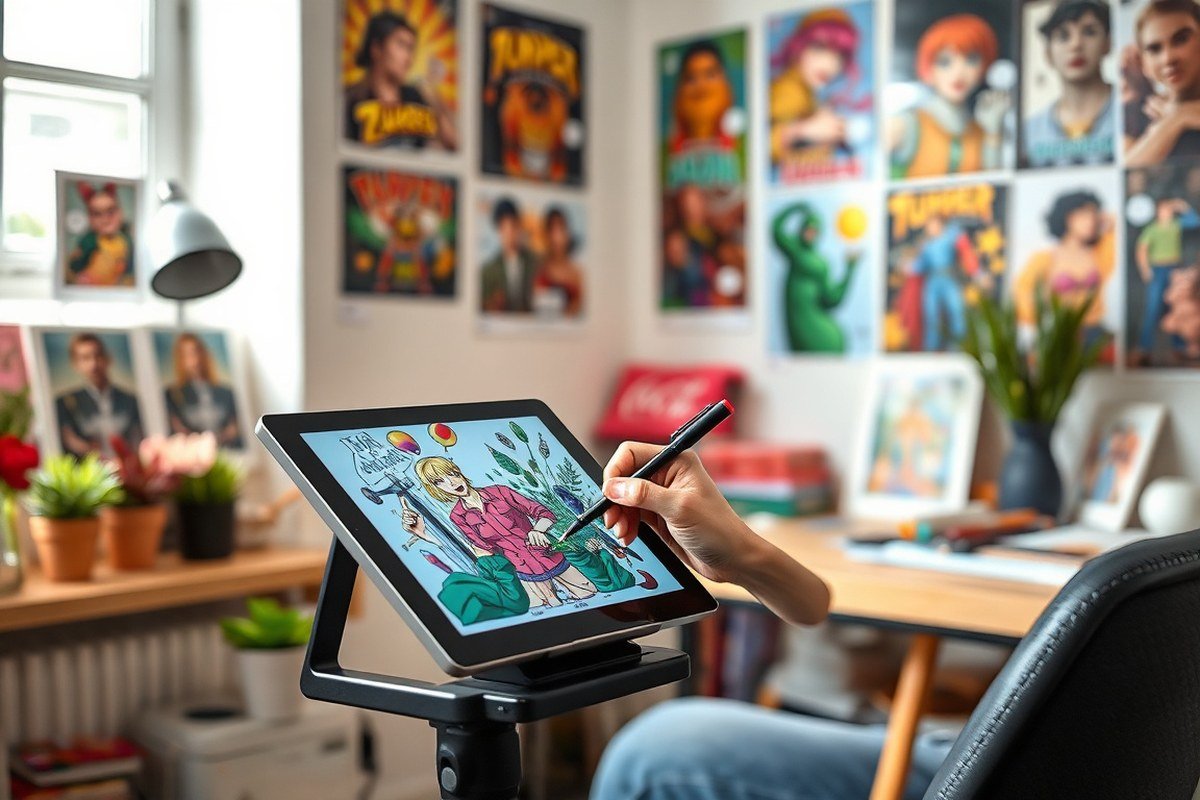
What Is Fan Art? A Complete Guide to Creating, Sharing & Legal Tips
What is fan art? Fan art is creative artwork made by fans using characters or settings from movies, TV shows, books, anime, or games. This art expresses fandom through drawings, digital paintings, cosplay, and other media, capturing unique interpretations beyond the original creators. Starting your fan art with a clear subject and preferred medium helps focus your creative process effectively.
Key Takeaways
- Fan art originated in the early 20th century as fans illustrated beloved cartoon characters.
- The term “fan art” appeared in the 1960s sci-fi fanzines, tying it to fan communities.
- Character drawings are the most popular fan art type, accounting for around 40 percent of works.
- Creators often pick fan art subjects like scenes, ships, or redesigns before choosing their art medium.
- Common media include digital painting apps like Procreate or Clip Studio, ink sketches, and 3D models.
- Fan art gained global popularity with online platforms like deviantART, enabling sharing and feedback.
What Is Fan Art and What Makes It Unique

Fan art is artwork created by fans that features characters, settings, or elements from movies, TV shows, books, comics, video games, or other media. Unlike original artwork, fan art is a Derivative work based on existing source material but produced independently from the original creators. It serves as a tribute, showing admiration and passion for the original story or characters.
The roots of fan art trace back around 60 years, notably rising alongside the growth of celebrity culture and pop art in modern America. Since then, fan art has expanded globally, embracing diverse styles and unique cultural perspectives. For example, Japanese fan art often blends traditional anime aesthetics with personal twists, while Western fan art may mix digital painting with mixed media techniques.
What makes fan art unique is its relationship to the original material combined with the artist’s personal style or reinterpretation. Changing the art style, redesigning costumes, or placing characters in new scenes are common ways artists put their own spin on familiar content. This balance between recognition and originality is essential; carrying recognizable details from the source helps distinguish fan art from entirely new, original creations.
Creating fan art usually involves selecting a favorite character or scene and then using your preferred medium, digital drawing tools, pencil and paper, or mixed media, to recreate or reimagine it. It takes time and attention to detail to capture the essence of the original work while also expressing your personal vision. However, because fan art is unofficial and not authorized by the original creators, sharing or selling it may require careful attention to intellectual property rules.
How Fan Artists Create Their Work and Choose Their Medium
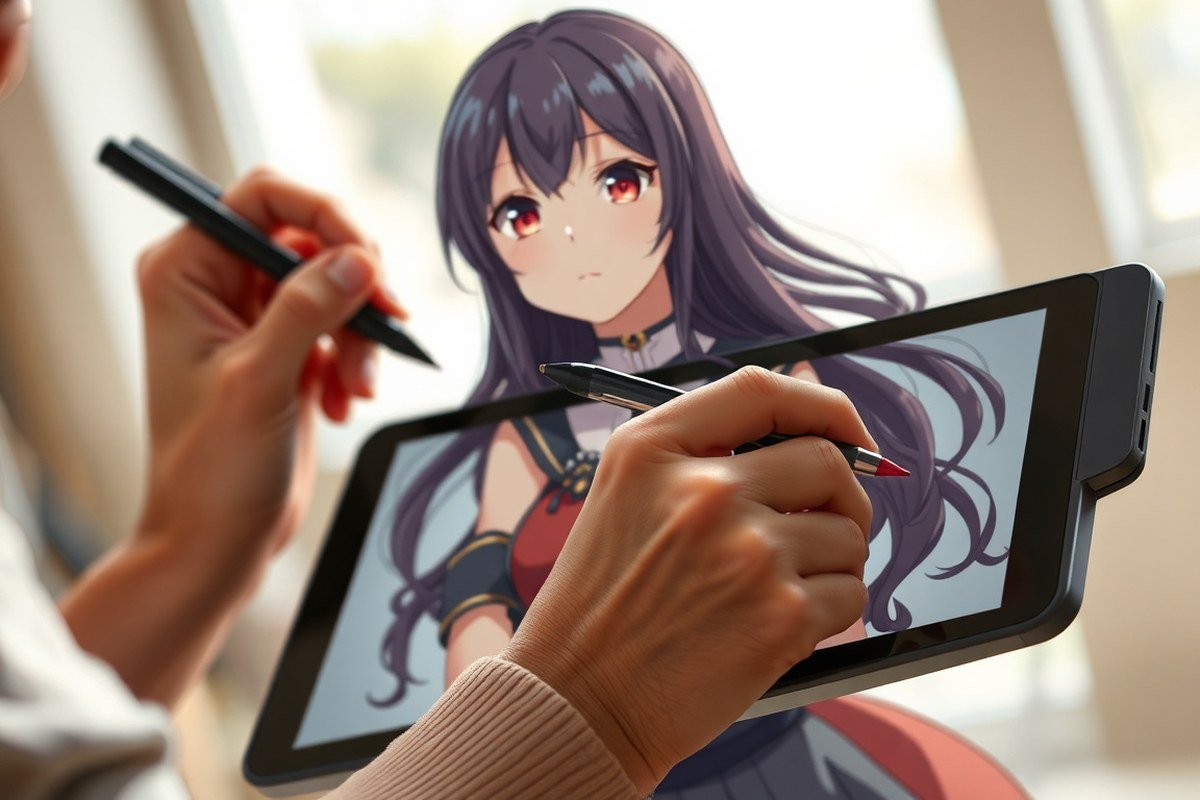
Fan artists usually begin their work by choosing a subject such as a favorite character, a particular scene, or a crossover idea. They select a medium that suits their skills and available tools, ranging from traditional pencils and ink to digital software like Photoshop or Procreate. Traditional media typically requires physical supplies like sketchbooks, ink pens, and paint, which can cost between $10 and $50 per project depending on quality and complexity. Digital art demands devices like tablets or computers, which are an upfront investment often exceeding $300, but allow for easier corrections and edits.
After picking a medium, artists create rough sketches to capture the composition and expression. They refine their drawing in layers, adding color, shading, and texture. Digital platforms support multiple layers and undo functions, helping artists experiment without damaging earlier work. Some fan artists also use 3D modeling software or mixed media for more elaborate creations. The choice of medium can affect the style: pencil drawings tend to have a softer, more organic feel, while digital art can produce crisp, vibrant images.
Developing a unique style involves consistent practice and learning from other artists. Many fan artists aim to stand out by adapting the source material with their own interpretation, such as changing character outfits or using unusual color palettes. Participating in fan art contests and challenges on sites like deviantART or Tumblr can help artists get feedback and recognition, boosting confidence and skill. Artists often build a portfolio online, sharing regularly on Instagram, Twitter, or fan communities to refine their voice and connect with others.
For a smooth start, here is a quick checklist: choose your subject; decide on a medium you can afford and enjoy; sketch ideas before committing; make use of online tutorials or community feedback; and practice regularly to strengthen your style. Cost, access to tools, and time vary widely between digital and traditional techniques, so pick what fits your situation best to keep motivation high and results satisfying.
Where and Why Fans Share Their Fan Art Online
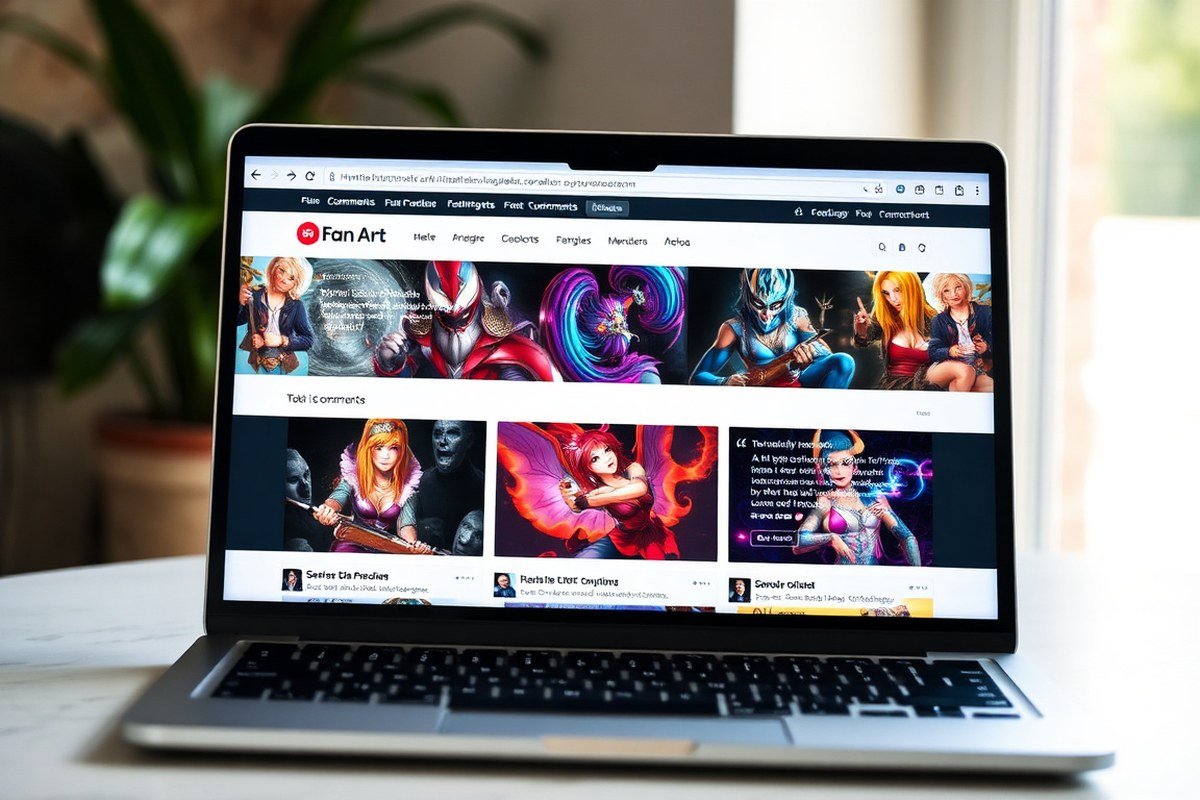
Fans usually share their fan art on online platforms dedicated to creative communities. Popular choices include DeviantArt and ArtStation, which cater specifically to artists showing off digital and traditional art. Reddit features numerous fan art subreddits where artists can post their pieces and receive feedback. Social media platforms like Instagram and Twitter also play a major role, allowing artists to tag their work with relevant fandom hashtags to reach a wider audience. Besides online venues, fan art frequently appears at conventions and fan gatherings, where creators often sell prints or display originals among fellow enthusiasts.
Sharing fan art serves several purposes beyond simply showing off skills. Fans create and share artwork to express their passion for favorite characters and stories, often finding inspiration from others in the community. Posting fan art online connects artists with like-minded individuals, building a sense of belonging around shared interests. This interaction leads to valuable feedback, encouragement, and motivation to create new pieces. For beginners unsure where to start, joining a dedicated forum or subreddit can offer guidance and constructive critiques from experienced fans.
Engaging with fan art communities helps artists develop their style and confidence. By regularly commenting on others’ posts and participating in challenges such as themed art weeks, you strengthen your ties to the fandom and gain visibility. However, some creators hesitate to share fan art publicly due to concerns about originality or misconceptions that fan art isn’t “real art.” Finding a supportive niche group first can ease those worries and foster growth. Whether sharing on a large platform or at a local event, fan art acts as a creative bridge, connecting you with a diverse network that values your unique expression of fandom.
Legal and Ethical Considerations for Fan Art Creators
Fan art can pose legal risks since it often involves copyrighted characters and designs owned by others. Creating or sharing fan art without permission may count as copyright infringement if you use major elements directly from the original works. Copyright law protects creators’ rights to control how their work is reproduced and displayed. Producing fan art for personal enjoyment generally raises fewer legal concerns than selling or mass distributing it. In many cases, Non-commercial fan art is tolerated by rights holders, but this tolerance varies widely depending on the franchise and its policies.
To stay within legal boundaries, follow a simple checklist: first, confirm the franchise’s fan art policy if publicly stated. Many companies allow fan art as long as it is not sold or used commercially. Second, avoid mass producing or profiting from the artwork without explicit permission. Third, always credit the original creators or source material clearly when sharing your work online. Fourth, refrain from altering logos or characters in ways that could confuse others about the art’s official status.
Ethically, fan artists should respect the original creators by not presenting their work as official or attempting to deceive audiences. Maintain honesty about your role as a fan artist and avoid offensive or harmful portrayals of characters or stories. Recognize that your fan art builds on existing creative efforts; showing respect helps maintain positive relationships in the fandom and can even open doors to professional opportunities. Following these rules takes some effort but helps protect you from legal trouble and supports a healthy fan art community.
Popular Types and Styles of Fan Art Explained
Drawings and paintings are among the most common types of fan art. Many artists create character sketches, detailed portraits, or scene recreations using traditional tools like pencils, ink, or watercolors, or digital software. This approach helps you sharpen your skills in anatomy, shading, and color theory. It often requires basic supplies, with sketchpads and pencils starting around $10, while digital tablets can cost $50 to several hundred dollars depending on quality.
Cosplay is a more hands-on form of fan art, where fans design and wear costumes representing their favorite characters from movies, TV shows, or video games. Creating cosplay involves sewing, crafting props, and sometimes makeup or wig styling. This type can be costly and time-intensive, materials like fabric, foam, and accessories can add up to $100 or more per outfit. It matters because cosplay combines visual art with performance and often connects you directly with fan communities at conventions.
Other popular fan art styles include Fan comics and Digital edits. Fan comics let you tell stories or humorous takes based on the original work, combining drawing skills with writing. Digital edits range from photo manipulations to animated GIFs, requiring software familiarity but offering a broad creative range with usually low material costs. You can find software options either free or priced under $50 per month for higher-end editions.
Choosing which type to create depends on your interests, skills, and resources. For example, if you enjoy visual storytelling and writing, fan comics might suit you. If hands-on crafting excites you and you like meeting fellow fans, cosplay could be rewarding. Drawing is versatile and accessible, making it a good starting point. Trying different types can also help you discover what fits your style and time budget best.
Your First Steps in Exploring Fan Art
Getting started with fan art can be simple and rewarding. This plan helps you begin creating and sharing with respect for the original works.
- Day 1: Choose a favorite fandom and character to focus on. You’ll know you’re ready to create when you feel excited to portray their story or look.
- Day 3: Pick a medium you feel comfortable with, such as digital drawing apps or pencil and paper, and make a quick sketch. You’ll recognize progress when the sketch reflects your chosen character well.
- Week 1: Learn about fan art rules for that fandom by reading online guidelines or communities. Understand them correctly when you can explain at least one legal or ethical limit.
- Week 2: Complete your first fan art piece and share it on a popular platform, using tags for visibility. Notice success when you receive reactions or comments from others in the community.
- Week 3: Explore different styles within fan art by trying a new technique or referencing popular fan art styles. Gauge your growth when your new piece looks distinct from your previous work.
- After 1 Month: Join an online fan art group or challenge related to your fandom. Feel connected when you participate in discussions or collaborative projects.
Frequently Asked Questions
How Did Fan Art Originate and Evolve over Time?
Fan art began in the early 20th century with fans drawing cartoon characters, then gained popularity in 1960s sci-fi fanzines. It grew alongside pop art and celebrity culture, reflecting fan passion more than commercial work.
Can Fan Art Be Sold or Used Commercially?
Selling fan art is legally tricky and often requires permission from copyright holders. Many creators share fan art freely to avoid legal issues and focus on personal expression.
What Role Do Fan Art Communities Play in Artist Growth?
Online platforms like deviantART help artists share work and get feedback, boosting skills and visibility. Communities form around franchises to support and inspire members.
How Do Fan Artists Protect Their Original Style While Using Existing Characters?
Artists often adapt the art style or mix elements, making fan art distinct but recognizable. This practice lets you add personal creativity while honoring the source.
Can Fan Art Contribute to Official Media or Creator Projects?
Sometimes creators commission or acknowledge fan artists, blending fan work into official content. Positive fan engagement can open doors but isn’t guaranteed.
Before You Go
Fan art is a way to express your passion and creativity while connecting with others who share your interests. Start by choosing a fandom you love and create in a way that respects the original creators. Taking your first step today helps you become part of a lively, supportive community of fan artists.