How to Cite Art Correctly: A Complete Guide with Examples & Tips
Citing art correctly means including the artist’s name, the artwork’s title, creation date, and location or source. You must also note the medium and the format you accessed, such as in person or online. Begin by identifying these essential elements to ensure your citation is complete and accurate.
Key Takeaways
- Artist’s name should always lead your citation to clearly attribute the work.
- Include the artwork’s title in italics or quotes depending on the citation style used.
- State the creation year close to the title to provide historical context.
- Specify the art medium like oil on canvas or sculpture to clarify the work’s form.
- For in-person viewing, name the museum or gallery along with its location.
- For online images, add the URL and date accessed to track the source.
What Are the Essential Elements to Cite a Work of Art?
When citing a work of art, certain key elements form the foundation of a correct citation. First, you need the full name of the artist, typically listed as First Name Last Name. This identifies who created the work and distinguishes it from others. Next comes the artwork’s Title, which should be italicized to separate it from other text. The title anchors the reader to a specific piece and is often followed by the year it was created. Including the creation date is essential because it places the artwork in its historical context, supporting your analysis or claims about style and technique.
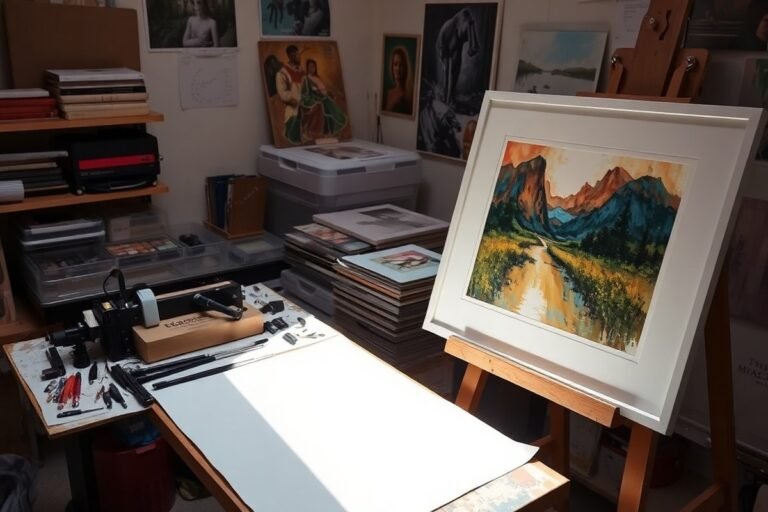
The Medium and dimensions describe what the artwork physically is and its size. Common mediums include oil on canvas, bronze sculpture, or digital print. Dimensions are important for artworks you have seen in person, usually given in inches or centimeters. For example, a painting might be listed as oil on canvas, 30 x 40 inches. This detail helps readers visualize the scale and materiality, which can influence interpretation.
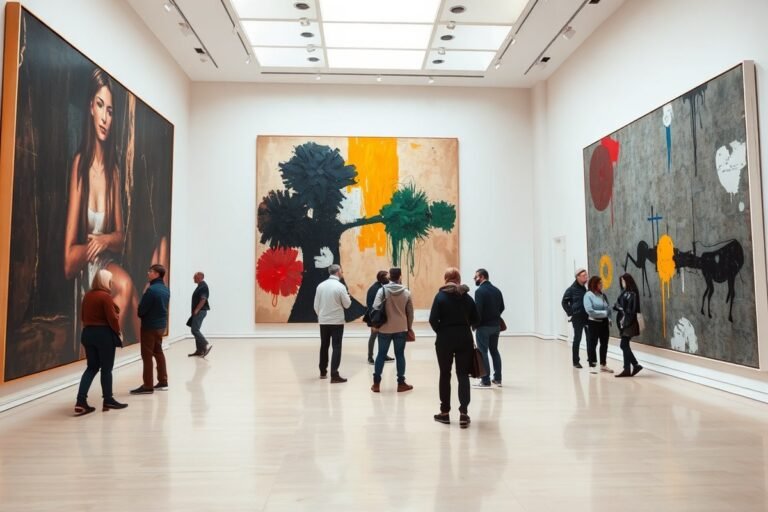
The Location of the artwork indicates the exact museum, gallery, or collection housing the piece. This information commonly lists the institution’s name and the city and country, for instance, Museum of Modern Art, New York, NY, United States. Including this helps your readers recognize where the artwork is kept and properly acknowledges its caretakers. For artworks accessed through online databases, adding the URL at the end points readers to the digital source.
Not all citation elements apply every time. When citing from an online source, physical dimensions may be left out, but it’s important to include the URL and describe the work by its type, like “Painting” or “Photograph.”” When essential data are unavailable, say, the exact creation year, you can use approximate dates (e.g., c. 1889) or indicate “date unknown.” Double-check all information with reliable museum or gallery databases to avoid errors that undermine your academic credibility.
How to Cite Paintings and Sculptures Seen in Person Versus Online
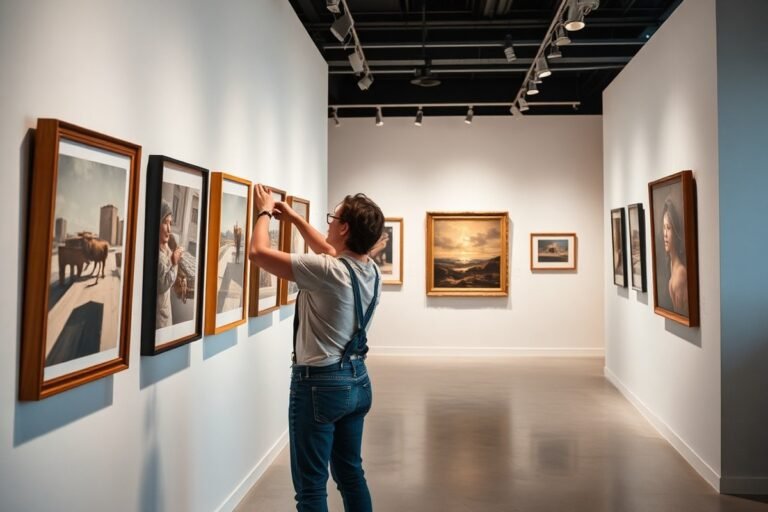
The details you include when citing paintings or sculptures depend on where you viewed the artwork. For works seen in person at a museum or gallery, include the location to give context to the physical viewing experience. When accessing art online, provide a URL and access date because digital content may change over time. When you reference a photo or reproduction of the original artwork, identify the source of the reproduction, such as a book or website, and include both the reproduction’s publication date and the original artwork’s date if they differ. The citation format itself usually stays consistent across physical or digital viewing, though details vary by format and medium. Follow these steps to cite an artwork properly depending on how you accessed it, using examples from MLA, APA, and Chicago styles.
- Identify the artist’s name and the title of the artwork. Italicize the title if required by the style (e.g., MLA and Chicago).
- Note the date the artwork was created. When you have a reproduction or online version with a different publication date, include both dates separated by a slash (e.g., 1876/2014 in APA).
- Specify where you viewed the artwork. For in-person views, name the museum or gallery and the city. For online views, provide the full URL.
- Include access dates for online sources because websites can change or be removed. APA recommends placing this after the URL, MLA usually includes access date only if no publication date is available.
- For reproductions, cite the source. Indicate the book or website where the image appears, along with its publication year.
- Apply the style-specific formatting rules, such as punctuation and order (e.g., APA puts the year right after the artist’s name, MLA places it after the title).
- Use in-text citations that reflect both artwork and source dates as needed (for example, MLA in-text: (Jacque, 2009/2010)).
Example MLA citation for an artwork seen in person:
Jacque, Camille. Fishermen Carrying a Boat. 1876, Metropolitan Museum of Art, New York.
Example APA citation for an artwork viewed online:
Jacque, C. (1876). Fishermen carrying a boat [Painting]. Metropolitan Museum of Art. Https://www.metmuseum.org/art/collection/search/436121 (Accessed March 10, 2024)
Example Chicago citation for a sculpture seen in a museum:
Rodin, Auguste. The Thinker. 1904. Bronze sculpture, Musée Rodin, Paris.
What Are the Main Differences in MLA, APA, and Chicago Styles for Citing Art?
The main differences between MLA, APA, and Chicago citation styles for artworks relate to how the elements are ordered, the punctuation used, and when location or URLs are required. Each style reflects the expectations of its academic field and influences how you format in-text citations and captions for paintings, sculptures, and digital art.
| Aspect | MLA Style | APA Style | Chicago Style |
|---|---|---|---|
| Order of Citation Elements | Artist, Title, Date, Medium, Location | Artist, Date, Title, Medium, Location/URL | Artist, Title, Date, Medium, Location |
| Punctuation and Formatting | Title in Italics; commas separate elements; no parentheses in works cited. | Title in Italics; parentheses around date; periods separate elements. | Title in Italics; commas and periods both used; footnotes or endnotes common. |
| Location or URL Required? | Required if artwork viewed in museum or online. | URL required for digital images; museum location for physical works. | Location included for physical works; URL optional but recommended for digital. |
| In-Text Citation Format | Artist’s last name only, no parentheses needed for paintings. | Artist’s last name and year in parentheses. | Footnote or endnote with full citation or shortened form. |
| Figure Captions | Caption includes figure number, title, artist, and source. | Caption includes figure number and detailed citation. | Caption may include artist, title, date, and source; follows note style. |
Choosing the right citation style depends on your academic discipline and the publication or instructor’s requirements. MLA suits humanities and art history, emphasizing simplicity and clarity in reference lists. APA focuses on dates and source URLs, making it useful for works involving recent or digital art studied in psychology or social sciences. Chicago offers flexibility and detailed notes, preferred in history and art history fields when you need to provide extensive background or provenance for the artwork.
How to Cite Different Types of Artworks Beyond Paintings
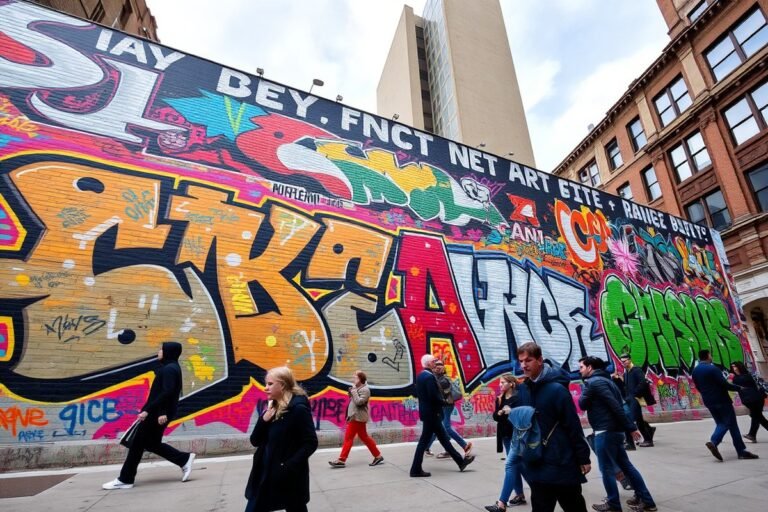
Citing Street art like graffiti involves naming the artist (if known), the title (or description if untitled), the location, and the date seen or created. For example, in MLA style, you would format it as: Artist’s Last Name, First Name. Title or Description of Artwork. Location, Date. Including the location is important because street art is site-specific and often temporary. Public or street art typically remains under copyright even if displayed publicly, so you should attribute properly to respect the creator’s rights despite easy public access.
Digital and multimedia art require additional citation elements such as the software used, file format, or platform, since these details characterize the work’s creation and presentation. Cite the artist as author, followed by the title in italics, and specify the medium (e.g., digital art, video installation). Mention the hosting website or exhibition venue and the access date for online sources. For example: Artist’s Name. Title of Work. Digital art, created with [software], Date, URL or platform. These distinctions help clarify the nature of the work and its technological context.
Sculptures and architectural works need clear details about physical location because these 3D pieces are often site-specific. Include the artist or architect’s name, title in italics, location including city or building, material or medium, and date of completion or observation. A citation might read: Artist’s Last Name, First Name. Title of Sculpture. Location (Museum Name or Street Address), City, Year. For architecture, specify the building name, city, architect, and completion year. Providing location is essential to help readers visualize and understand the context.
Consider copyright duration, which generally protects work for the creator’s life plus 70 years in the US. Public domain art requires less strict attribution but including a citation still honors the artist and assists verification. When possible, use citation tools specialized for visuals to generate accurate references that meet MLA, APA, or Chicago style requirements. Proper citation informs readers and shows respect for artistic ownership, while avoiding plagiarism or copyright infringement risks.
Common Citation Mistakes and How to Fix Them When Citing Art
Common errors when citing art include misidentifying the artist, incorrect formatting of titles, and omitting key information such as the museum name or date. These mistakes can confuse readers and undermine your credibility. To avoid this, always verify the creator’s full name and the artwork’s proper title, using italics or quotation marks according to the citation style you follow.
When you lack details like the artwork’s creation date or location, note “n.d.” for no date or describe the location as accurately as possible. If citing a reproduction, add the source of the reproduction, such as the book or website where you found the image. This distinction clarifies what you personally viewed and the original source.
- Mixing up the photographer with the artist; cite the artist’s name first (e.g., Van Gogh, V. (1889))
- Incorrectly formatting titles, use italics for standalone artworks, quotation marks for parts of larger collections
- Failing to list both authors in in-text citations when there are two (e.g., Gonzalez & Perez, 2020)
- Neglecting to include museum location or URL for online images
- Not providing source info for reproductions, leading to incomplete citations
- Missing figure captions with detailed information including the citation
- Using “et al.” incorrectly before three authors in in-text citations
To write figure captions properly, include the artwork’s title in italics, the artist’s name, creation date, the current location (museum and city), and the source of the image if it’s a reproduction. For example: Starry Night by Vincent Van Gogh, 1889, Museum of Modern Art, New York. Image courtesy of Artstor.
In-text citations should reflect authorship accurately: one or two authors require listing both names every time (e.g., (Gonzalez & Perez, 2020)), three or more authors use “et al.” ((Gonzalez et al., 2020)). Always cross-check your citations with authoritative style guides and databases like Google Arts & Culture or Artstor to ensure accuracy and completeness.
Step-by-Step Action Plan for Citing Art Accurately
Use this plan to quickly ensure your art citations are correct and fit the required style. Follow these steps to avoid common errors and handle any type of artwork.
- Before writing: Identify the artwork’s details, title, artist, date, medium, location, or URL. Confirm these elements are accurate to avoid mistakes later.
- Day 1: Choose the citation style (MLA, APA, or Chicago) required for your project. Check the style’s official guide for citing artworks to ensure you follow its conventions.
- Day 2: Decide if you are citing the artwork in person or online. This affects the information you include, such as museum location or web source details.
- Day 3: Draft your citation, including all essential elements for your style and artwork type. Use templates or citation tools that specify art citations.
- Day 4: Check your citation for common errors like missing italics, incorrect dates, or misplaced elements. Compare it to examples from trusted style manuals to confirm accuracy.
- Day 5: Insert the citation in your paper, ensuring it matches the required formatting for in-text or footnote citations. Look for consistency throughout your document.
- After submission: Review feedback about citations, and revise if necessary. Use documented corrections to improve future art citations.
Frequently Asked Questions
Can I Cite Street Art or Graffiti in Academic Papers?
Yes, you can cite street art and graffiti. Treat it like any other artwork, providing details about the location, artist if known, and the date you accessed or viewed it.
How Do I Cite Album Cover Art in a Research Paper?
Cite album cover art by listing the artist, the title of the album, the medium (album cover), year, and source of the image if accessed online or in print.
Is It Necessary to Include the Medium When Citing Digital Artworks?
Including the medium is recommended for clarity, especially with digital art, to specify the work’s format and the platform where you found it.
How Should I Cite Art from Catalogs or Exhibition Programs?
Cite art from catalogs by including the artist, artwork title, year, medium, and the catalog title, editor, publisher, and publication year.
Can I Use the Museum’s Website as the Source for Citing an Artwork?
Yes, citing the museum’s website is proper when viewing art online there, including the direct URL and access date for verification.
Before You Go
Citing art accurately means paying close attention to details specific to each style and artwork source. Taking one careful step at a time helps you avoid errors and present your research professionally. Now, locate a piece of art you want to cite and practice creating a full citation for it using your chosen style guide.