Why Is Art Important to Society? A Complete Guide to Its Benefits
Why is art important to society? Art shapes how individuals relate to each other and their environment, expressing shared experiences and cultural values. It strengthens community bonds, offers emotional support, and drives economic growth through creative industries. Embracing and supporting local art can ignite these benefits deeply.
Key Takeaways
- Art preserves cultural heritage by capturing traditions and identities, ensuring future generations understand their roots.
- Public art programs increase resident satisfaction by about 31%, encouraging community pride and involvement.
- The creative economy contributes around 4.3% to the US GDP, showing art’s strong economic role nationwide.
- Exposure to art supports mental health by providing emotional expression and stress relief.
- Arts education boosts skill development and creativity, critical for personal and professional growth.
- Art facilitates communication across diverse groups, bridging cultural gaps and fostering social cohesion.
Why Art Matters: Core Benefits for Individuals and Society
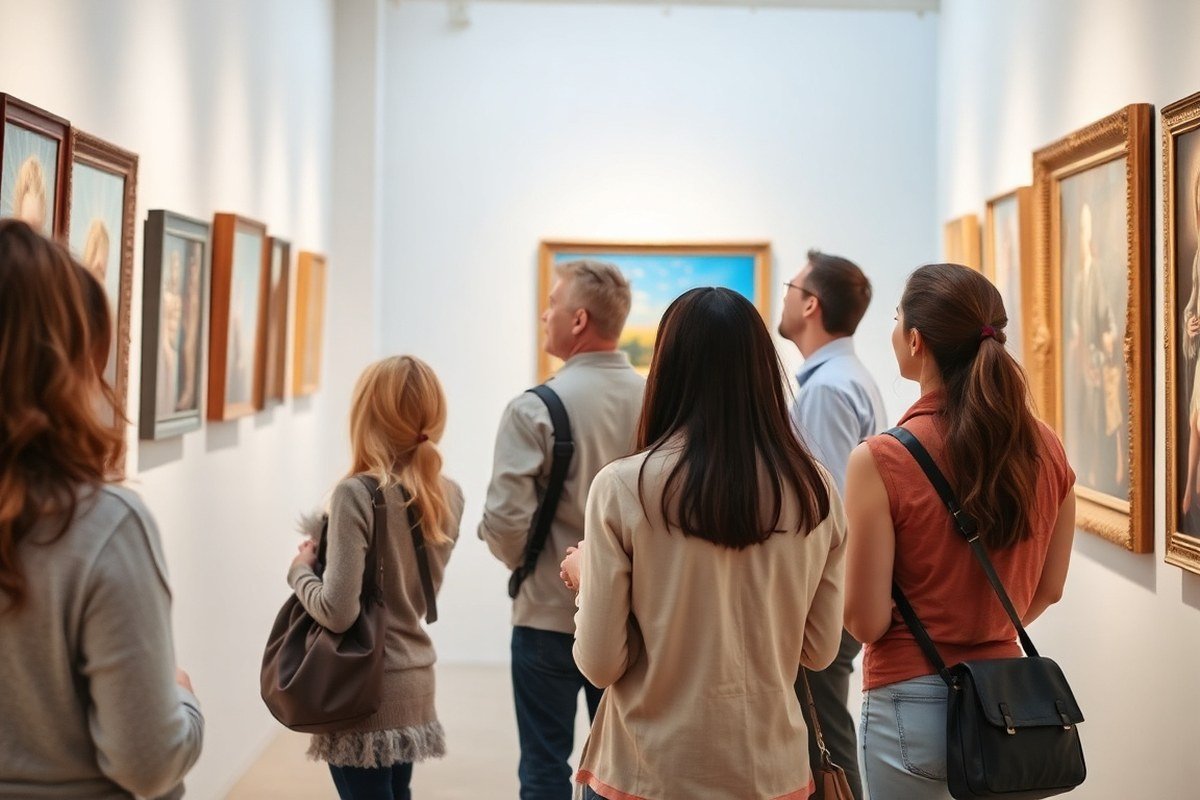
Art matters to society because it shapes both individual identity and the collective well-being of communities. On a personal level, art provides a important outlet for self-expression, allowing you to explore and communicate your unique experiences, emotions, and ideas. This process helps you better understand yourself and presents a way to share your perspective with others. Engaging with art, whether through creating or appreciating it, builds critical thinking and creativity, skills that support personal growth and emotional health.
Beyond individual benefits, art deeply connects to cultural identity by preserving traditions and shared histories. It acts as a mirror reflecting your community’s values, challenges, and aspirations. This reflection strengthens your sense of belonging and continuity, linking past generations to the present and future. For diverse societies, participating in local or national artistic expressions helps maintain cultural heritage while promoting mutual respect among different groups.
Understanding art’s role in self-expression and identity involves actively engaging with various forms, painting, music, dance, or literature, to find those that resonate with your experience. Try setting aside regular time to create or attend artistic events, paying attention to what feelings and thoughts arise. This involvement requires some effort and, occasionally, financial investment, such as buying supplies or tickets, but the benefits include improved mental well-being and a stronger social connection.
Shortcomings in this process can occur if art access is limited or undervalued, leading to cultural disconnection or reduced opportunities for personal development. Encouraging inclusive art programs and education can help overcome these challenges by making art accessible and relevant to everyone, thereby reinforcing both individual growth and societal cohesion.
How Art Preserves Culture and Promotes Communication Across Communities
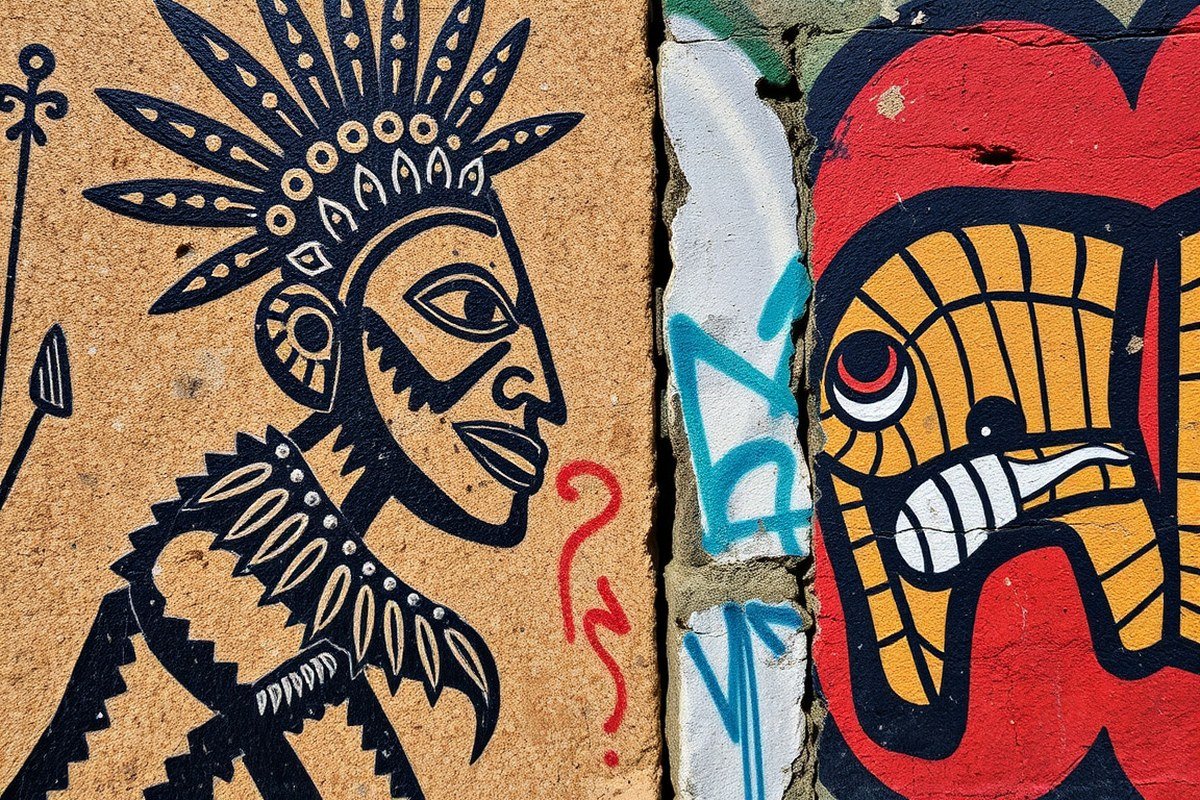
Art preserves cultural heritage by capturing stories, beliefs, and histories of specific communities. Ancient cave paintings, pottery designs, and traditional costumes provide visual records of past societies, informing us about their values and lifestyles. Over centuries, artworks have documented major events and everyday life, allowing later generations to connect with their roots. For example, Native American installations and Latino muralism not only preserve distinct cultural identities but also continue evolving, reflecting contemporary experiences while honoring tradition.
Art promotes communication across cultures by acting as a universal language. Visual elements, music rhythms, and performance styles transcend spoken language, enabling shared experiences. African American hip-hop culture, for instance, has extended beyond its original community and now influences diverse audiences worldwide. This exchange fosters mutual understanding and respect by highlighting different perspectives through creative expressions. Art breaks down barriers that might otherwise isolate communities, bringing people together through shared emotions and narratives.
To identify cultural preservation through art, look for several key signs: the use of traditional symbols or techniques, storytelling that reflects a group’s history, incorporation of language or folklore, and ongoing adaptations that connect past and present. Successful cultural preservation takes time, often requiring community engagement and support from cultural institutions. While such institutions safeguard history, they must avoid excluding voices that offer broader representation.
Throughout history, art has influenced societies by shaping identity and encouraging social cohesion. As communities change, so do their artistic expressions, with 20th-century female artists, for example, expanding perspectives within art history. Contemporary multicultural movements illustrate how art remains a dynamic force, bridging cultural divides while honoring distinct heritages. Art enables societies to reflect on themselves and communicate across generations and cultures, maintaining a vibrant dialogue within and beyond their borders.
The Economic Impact of Art: From Local Jobs to Global Markets

The economic benefits of art are measurable and significant for communities and countries. Artistic activities generate jobs not only for creators but also for support roles such as event staff, gallery operators, and educators. This job creation stimulates local economies through increased spending on goods and services. Tourism connected to art events, museums, and galleries further expands economic growth by attracting visitors who spend on accommodations, dining, and transportation. Also, properties near vibrant art scenes often see an increase in value, creating further financial benefits for communities.
Communities can support art to improve civic engagement by developing complete public art programs, funding arts education, and establishing artist residency opportunities. The 2024 Public Art Network survey found that areas with active public art initiatives exhibit 31% higher resident satisfaction and more civic involvement. This shows that investing in art supports stronger social bonds and community pride, which in turn encourages local participation in governance and neighborhood improvement.
| Economic Indicator | Communities with Active Art Programs | Communities without Art Programs |
|---|---|---|
| Resident Satisfaction | 31% higher | Baseline |
| Job Creation | Up to 10% increase in arts-related jobs | Lower baseline |
| Property Values | 5, 15% increase in art-focused neighborhoods | Stable or declining |
| Tourism Revenue | Significant increases during art events | Lower |
When deciding how to prioritize art investments in community development, consider a decision rule based on potential return on social and economic impact. Projects that combine public accessibility, support for local artists, and opportunities for resident participation tend to deliver the strongest outcomes. Allocate funds first to programs with clear community involvement goals and measurable benefits such as increased jobs, tourism, or civic engagement. Avoid focusing solely on large-scale art installations without community connections, as these may produce less sustained economic impact.
Costs for developing art programs vary by scale. Small community projects may require just a few thousand dollars for materials and artist stipends, while establishing a public art network can run into the hundreds of thousands annually. Good results include higher local employment, stronger neighborhood cohesion, and increased visitor spending. Poorly planned investments risk underuse or public opposition if art does not resonate with community values. Tailor efforts to local culture and needs to maximize impact.
Art’s Role in Education, Mental Health, and Human Development
Art education supports cognitive development by stimulating critical skills such as problem-solving, decision-making, and creative thinking. These skills extend beyond the classroom and contribute to success in various fields. For example, when children engage in drawing or sculpting, they improve motor coordination and spatial awareness, which are foundational for complex tasks. Art also deepens emotional intelligence by encouraging individuals to recognize and express feelings, improving empathy and interpersonal communication.
Mental health benefits from art through its therapeutic effects. Engaging in art activities has been shown to reduce stress, anxiety, and symptoms of depression. Therapeutic approaches like art therapy use creative processes to help individuals explore emotions, manage trauma, and improve psychological resilience. Sessions often involve guided expression through painting or collage, which facilitates healing in a non-verbal way. These programs can be found in clinical and community settings, generally requiring trained facilitators and lasting from a few weeks to several months, depending on the goals.
Engagement with art also fosters social development by promoting community building and emotional connection. Viewing or creating art encourages individuals to observe details, analyze complex ideas, and interpret abstract meanings. This process sharpens cognitive flexibility and lateral thinking. In educational settings, integrating art projects can improve collaboration and communication skills among students. The cost of implementing art programs varies widely, with school-based initiatives often requiring materials budgets from $500 to $3,000 annually, plus expertise for instruction. Positive results emerge when art activities encourage participation, leading to improved academic performance and well-being, while programs lacking structure or support may fail to impact students meaningfully.
Art as a Catalyst for Social Change, Community Building, and Power Dynamics
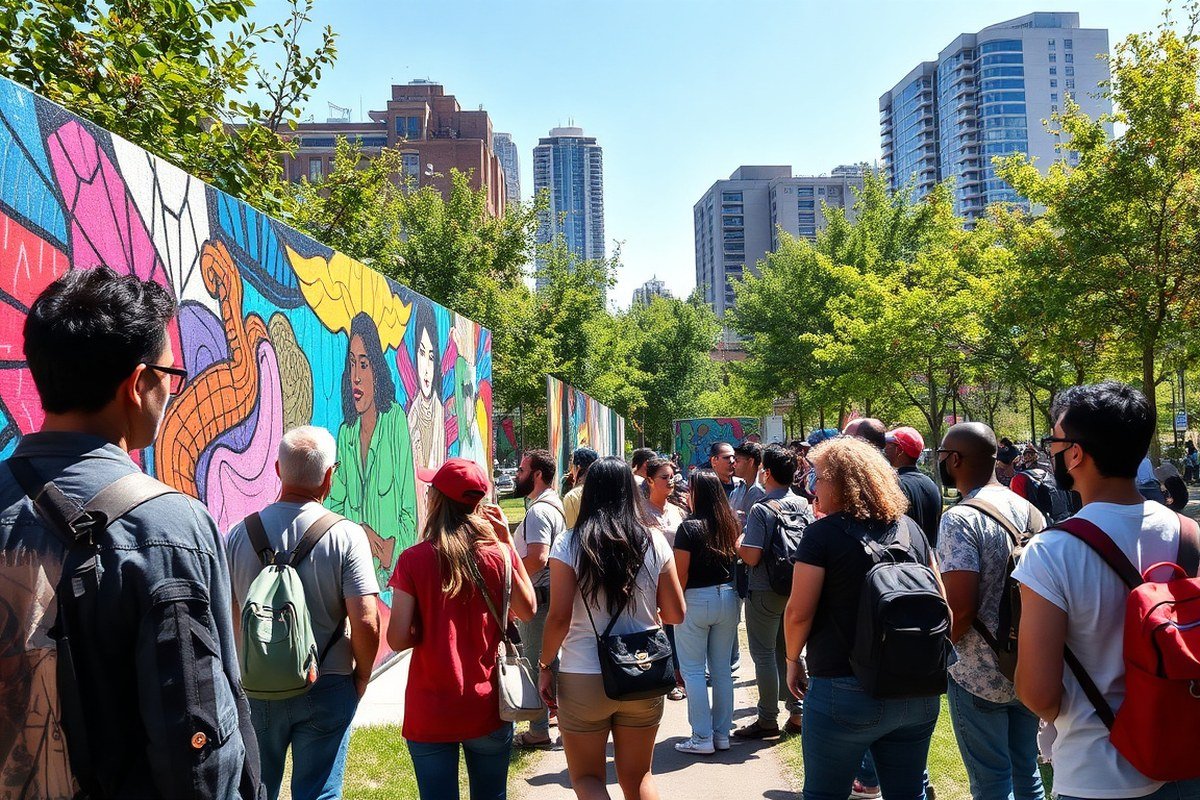
Art functions as a catalyst for social change by challenging prevailing norms and opening conversations about societal issues. Through mediums like street murals, theater performances, and protest songs, artists bring attention to injustices and amplify marginalized voices. For example, movements such as Black Lives Matter used art to mobilize support and raise awareness from 2020 to 2024, proving art’s continued impact in influencing public opinion and political discourse.
Art also strengthens community ties by transforming physical spaces and fostering a shared sense of identity. Projects that convert vacant lots into cultural hubs let residents take pride in their neighborhoods and create safe gathering places. Organizing community dialogue sessions or artist residencies in underserved areas encourages participation and builds social cohesion by giving people a creative outlet connected to their lived experiences.
The role of art in power dynamics is complex, as it can both confront and reinforce authority. Political art has historically challenged dominant structures, yet it may also serve as propaganda for those in power. To promote inclusive and impactful initiatives, art should be developed with transparent goals and diverse stakeholder involvement. Ensuring that artists from varied backgrounds are represented helps avoid reinforcing systemic inequalities.
Use a checklist when using art for social change: identify the issue and community involved; engage local artists and leaders; provide accessible platforms; allocate a realistic budget, often ranging from a few thousand to tens of thousands of dollars depending on scale; and include feedback mechanisms to measure impact. Tailor approaches based on context, urban projects may focus on public installations, while rural efforts might use storytelling or performances. Costs vary by location and medium, with community-driven initiatives often requiring modest funding but significant coordination.
Common misconceptions include the idea that art is purely decorative or irrelevant to serious issues. In reality, art highlights uncomfortable truths and serves as a preferred and effective avenue to advocate for change. Successful projects result in greater community pride, increased awareness of social concerns, and sometimes policy discussions. Failures often stem from excluding community input or underestimating the effort needed to sustain engagement.
Your First Steps: How to Support and Engage with Art Today
Taking immediate action helps you appreciate and support art in your community, enriching both your life and those around you.
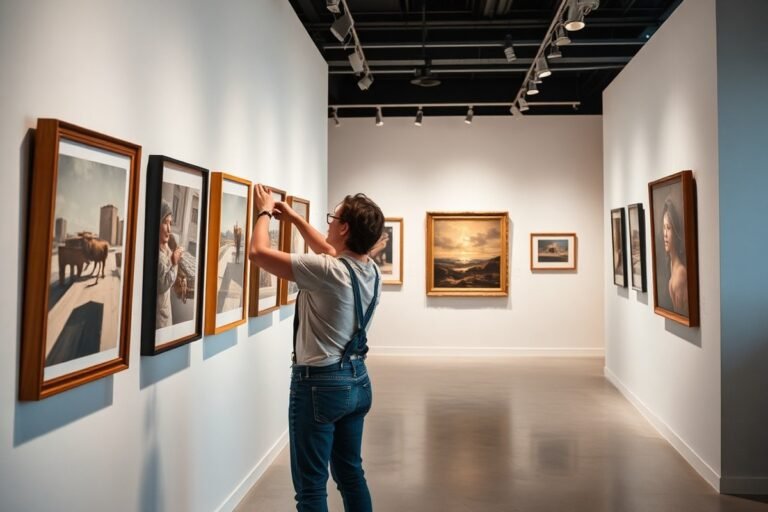
- Today: Visit a local gallery, museum, or community art event to experience art firsthand and observe the diversity of expression.
- This Week: Follow and engage with local artists or cultural organizations on social media to stay informed about upcoming shows and projects.
- Within 2 Weeks: Volunteer or join an art-related group or cause; note your growing connection and understanding of the role art plays locally.
- Within 1 Month: Attend an art workshop or class to explore your own creativity and better appreciate artistic skills.
- After 6 Weeks: Advocate for art in your community by contacting local leaders about funding or educational programs; track any commitments or responses you receive.
- Over 2 Months: Support art economically by purchasing from local artists or donating to arts organizations; notice how this helps sustain creative work.
- Every Month: Share your art experiences with friends or family to spread awareness and appreciation for art’s societal benefits.
Frequently Asked Questions
How Does Art Influence Public Health Outcomes?
Art can improve public health by reducing stress and boosting mental wellness. Community art programs offer accessible ways to engage creative expression, contributing to healthier social environments.
Can Art Contribute to Environmental Awareness?
Yes, art raises awareness by highlighting environmental issues visually and emotionally. Artists often use their work to inspire dialogue and action on sustainability topics.
What Role Does Art Play in Technological Innovation?
Art encourages creative thinking essential for innovation. It inspires new ideas by combining aesthetics with functionality in technology design.
How Does Art Shape National Identity?
Art shapes national identity by reflecting shared history and values. It creates symbols and narratives that bind communities together.
Is Art Important for Personal Identity Formation?
Art supports personal identity by offering a means to express individuality and explore emotions. It helps people understand themselves and others better.
Key Points to Remember
Art shapes society by connecting people, preserving heritage, and inspiring change. Engaging with art helps build stronger communities and enriches your own perspective. Explore your local art scene this week to see how creativity influences your world firsthand.