Where Art Is Shown Off and Sold: 5 Effective Places to Boost Your Sales
Knowing Where art is shown off and sold is essential to boosting your sales and growing your audience effectively. The best spots include lively local venues, traditional galleries, and diverse online platforms. Start by placing your work where your potential buyers naturally gather, such as coffee shops, pop-up shows, and specialty shops to maximize exposure.
Key Takeaways
- Select venues that align with your art style and audience to increase engagement and sales potential.
- Use local spots like cafés, restaurants, and offices for in-person exposure to diverse crowds.
- Consider art fairs and pop-up shows for direct interaction with interested buyers and collectors.
- Use online platforms to reach global buyers beyond your local area and diversify sales channels.
- Offer affordable prints under $100 featuring local or personalized themes to attract fast-moving buyers.
- Keep thorough records of your sales and showings to maintain an art sales legacy and avoid lost works.
Where to Show and Sell Art in Person
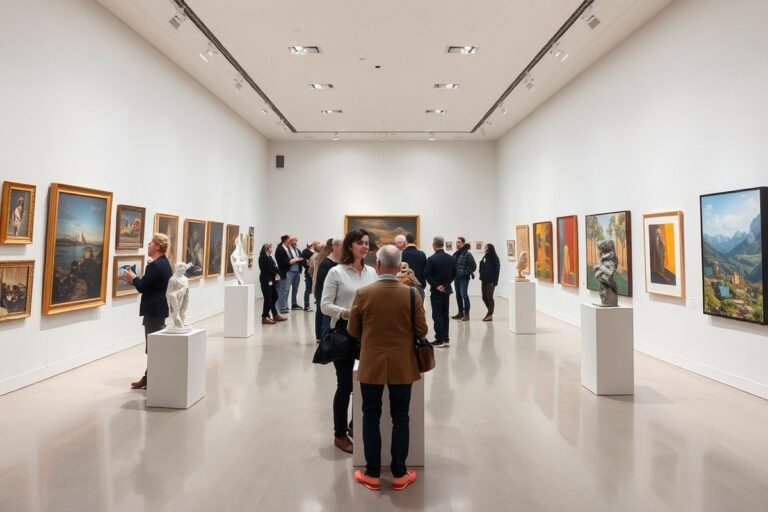
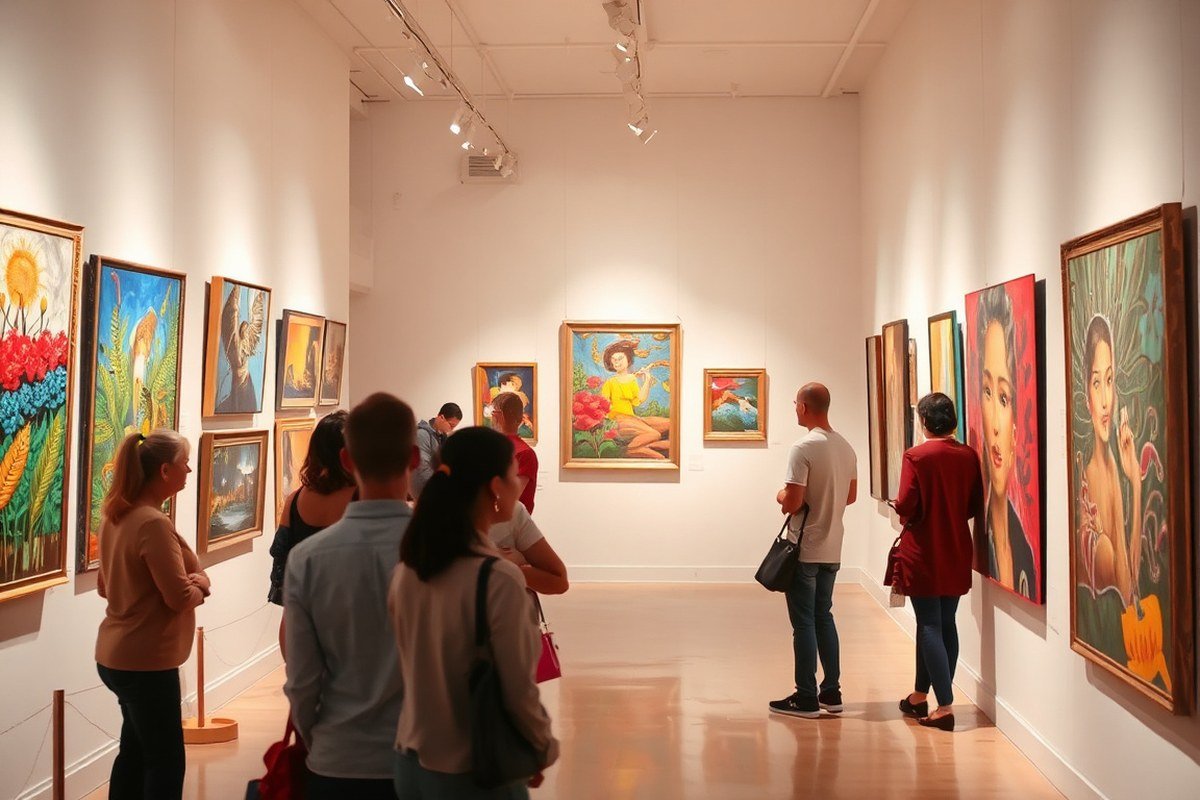
Galleries offer a formal space dedicated to art exhibition and sales, attracting collectors and serious buyers. They typically charge a commission ranging from 30% to 50% on sales but provide curated exposure and professional representation. Galleries help build your reputation but require aligning your style with their market and often involve longer approval processes.
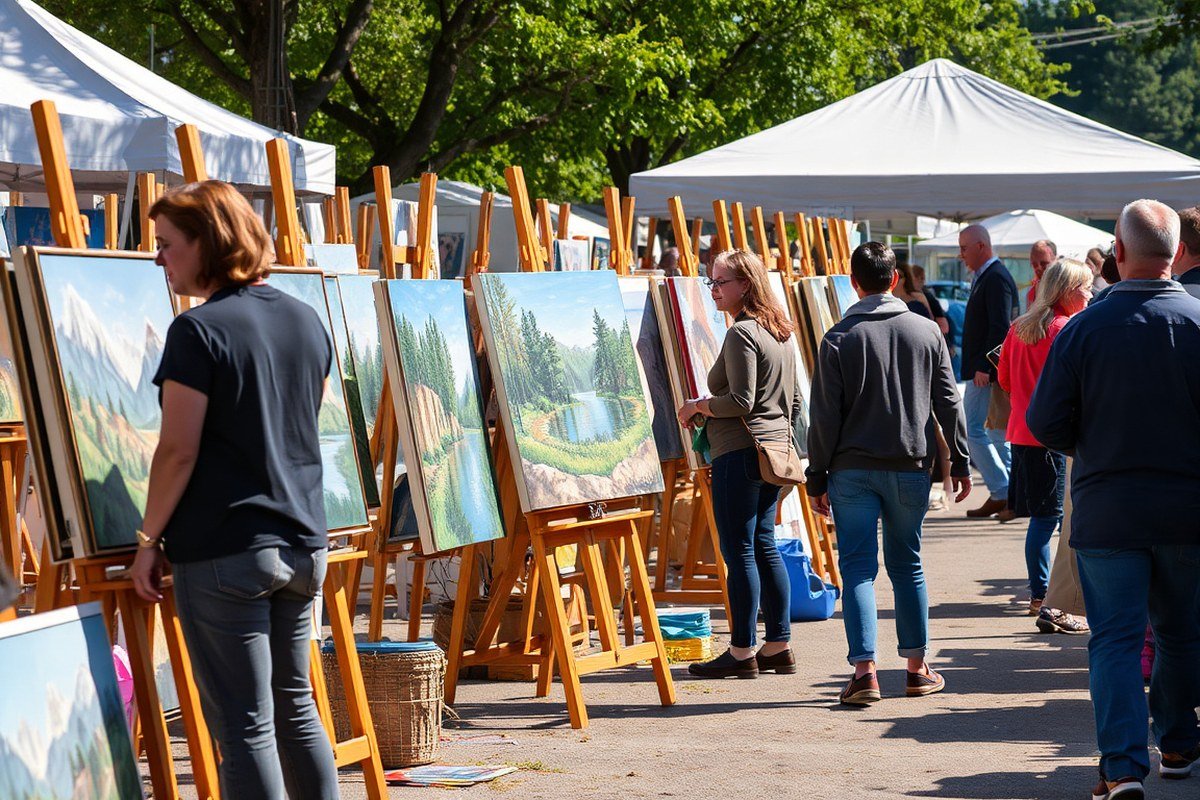
Art fairs and pop-up shows create dynamic, temporary environments where you can sell directly to the public. Fairs usually have vendor fees between $200 and $2,000 depending on location and scale, plus no commission, allowing you to keep full sales revenue. They bring a diverse audience actively seeking art but require upfront costs and intensive preparation.
Local businesses such as cafes, restaurants, and boutiques can provide steady, lower-cost venues for showing your work. Many offer consignment opportunities, keeping a 10% to 30% commission. Approach them by preparing a professional pitch and bringing samples or a portfolio, stressing how your art complements their space and appeals to their customers. You should sign a simple agreement defining the sales terms and display duration to avoid confusion.
The choice depends on your goals and resources. Galleries offer prestige and curated collectors but limit direct contact and involve significant commissions. Art fairs and pop-ups let you test the market openly with no sales cut but require a strong promotional push and physical presence. Local business venues provide ongoing exposure at lower cost but attract casual buyers and slower sales. Combining them can maximize reach and sales.
| Venue | Audience | Cost | Commission | Exposure |
|---|---|---|---|---|
| Galleries | Collectors, serious buyers | Low to no upfront fee | 30%, 50% | Curated, professional |
| Art Fairs/Pop-ups | General public, art enthusiasts | $200, $2,000 vendor fee | Usually none | Wide, direct access |
| Local Businesses | Casual, local customers | Minimal to none | 10%, 30% | Steady, community-based |
Using Online Platforms to Reach Buyers Globally
Using online platforms and marketplaces lets you connect with art buyers worldwide without geographic limits. Etsy, WooCommerce, and artbroker.com are popular choices that offer different features, fees, and audiences. Etsy charges about 5% of the sale price plus listing fees and payment processing, while artbroker.com typically works on a 70/30 split, meaning you keep 70% of each sale and the platform takes 30%. WooCommerce is different; it’s a plugin for your own website, so you mainly pay for hosting and payment processing fees without additional commissions.
Creating effective online art listings requires clear, high-quality photos showing multiple angles and detailed shots. Use precise titles and descriptions that include the artwork’s size, medium, and story. Including keywords buyers use to search, for example, “abstract landscape 18×24 acrylic”, helps your art appear in search results. Adding your artist statement or process insights creates a connection with potential buyers. Regularly updating and promoting listings keeps your work visible.
Social media plays a key role in driving traffic to your online listings and expanding your reach. Platforms like Instagram, Facebook, and Pinterest let you showcase new work, announce sales or events, and engage directly with followers interested in your art. Share behind-the-scenes content to build relationships and encourage followers to visit your online store. Combine social media promotions with direct links to your listings to turn engagement into sales.
| Platform | Commission/Fees | Features | Audience |
|---|---|---|---|
| Etsy | 5% sale fee + $0.20 listing fee + payment processing | Marketplaces, built-in audience, easy setup | General buyers, crafts, art collectors |
| Artbroker.com | 30% commission (you keep 70%) | Art-focused, handles logistics, curated listings | Art collectors, serious buyers |
| WooCommerce | Hosting & payment fees only, no commission | Full website control, customizable, requires setup | Direct audience, needs own promotion |
Use this Checklist to optimize your listings: Upload multiple high-resolution photos with good lighting; write descriptive titles with key search words; provide detailed size and medium info; tell the story behind the art; price clearly and consistently; include shipping and return policies. Promote listings on social media regularly with direct links to keep potential buyers engaged. Monitoring your sales and adjusting photos or descriptions based on buyer feedback can improve your results over time.
Preparing Your Art and Yourself to Sell
Preparing your artwork for display and sale involves careful steps to ensure your pieces make the best impression and reach buyers safely. Start by evaluating your presentation: clean your artwork, frame or mount it professionally, and ensure it’s free from dust or damages. Pricing should reflect your experience, material costs, time spent, and the venue’s audience. For example, smaller galleries might call for lower prices, while well-established galleries or fairs may support higher pricing due to their clientele.
Documentation is essential for provenance, which helps build buyer trust and track your art’s history. Keep a detailed record using a simple spreadsheet or a system like Artwork Archive, noting title, dimensions, medium, creation date, and previous sales or exhibitions. This documentation adds value and protects your reputation as an artist.
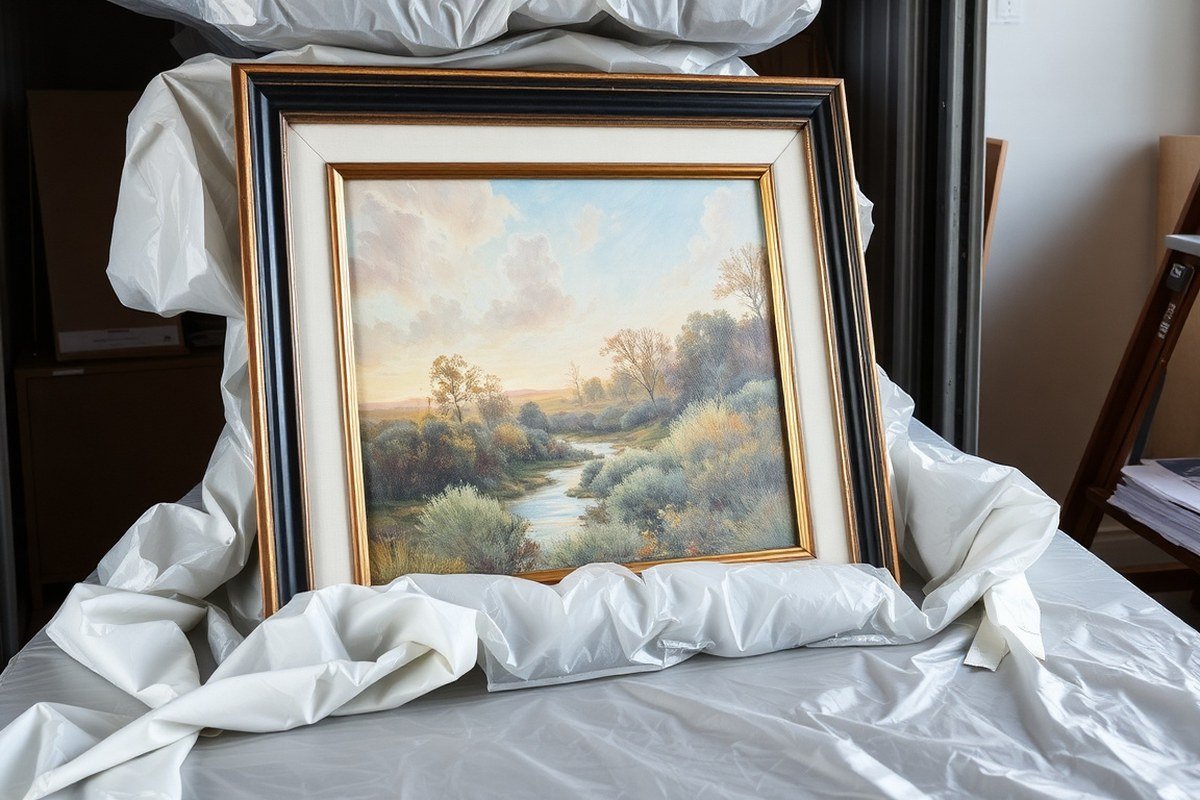
Packaging and transportation matter greatly to avoid damage. Use acid-free tissue paper, glassine wraps, bubble wrap, and sturdy, appropriately sized boxes or crates. For large or delicate pieces, consider custom wooden crates and climate-controlled transportation. Proper labeling with “Fragile” and handling instructions prevents accidents.
- Prepare artwork surface and framing professionally
- Research venue audience to set accurate prices
- Create and maintain detailed provenance records
- Use acid-free materials and strong packaging for transport
- Label packages clearly to inform handlers
- Document condition with photos before shipment
When discussing prices or sales terms, use clear language like: “The listed price is ${price}. For gallery sales, I offer a standard commission split of 60/40 in the artist’s favor. I’m open to discussing terms that fit the venue’s usual practice.” Such transparency builds confidence and establishes professional relationships with venues or buyers.
Expanding Reach with Non-Traditional and Temporary Venues
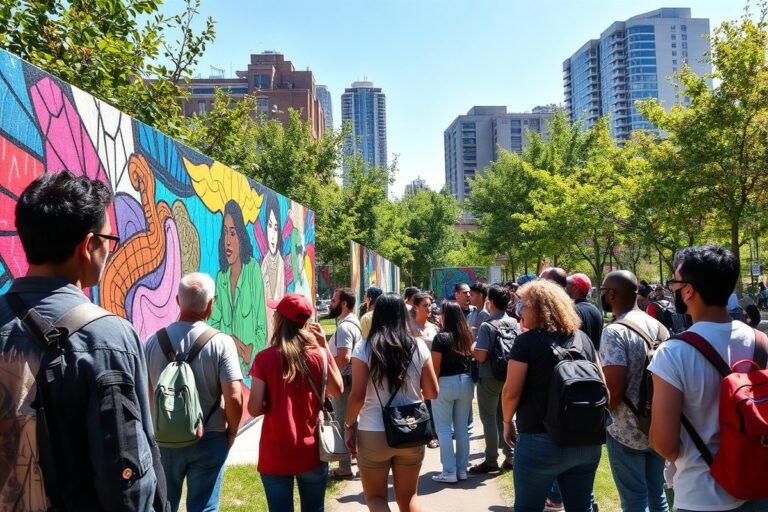
Non-traditional venues for displaying art can be pop-up shows, local markets, or small businesses like coffee shops and boutiques. These spots allow you to share your artwork with different crowds who might not visit a gallery. Pop-up shows set up temporary galleries in empty stores or community halls, giving you control over how your art is shown. Community gatherings such as fairs and cultural events bring together many people, offering a chance to meet potential buyers outside typical gallery settings.
Pop-ups and community events help artists by expanding reach well beyond the typical gallery crowd. They bring fresh energy and new visitors, and allow you to engage directly with your audience in a relaxed setting. This direct interaction can boost sales and build meaningful connections. Approaching local businesses for art displays or consignment can similarly connect your art to everyday spaces people frequent. Before making contact, research businesses whose clientele matches your art’s style. Write a clear, polite proposal that explains the benefits of showcasing your art in their space, such as increased foot traffic and improve atmosphere.
Here is a simple email template to propose a consignment or exhibition to a local business:
Subject: Art Exhibition Proposal for [Business Name]
Dear [Owner’s Name],
I’m an artist specializing in [your art style/medium]. I admire the atmosphere of [Business Name] and believe my work could complement your space while offering a unique experience to your customers. I’m interested in discussing a possible consignment or temporary exhibit. Displaying original art could also attract new visitors to your venue. I would be happy to coordinate all installation details and promote the exhibition through social media to help bring attention.
Please let me know if you are interested in exploring this collaboration.
Thank you for your time,
[Your Name]
Temporary setups require effort in logistics, like securing permits, transport, and installation. Costs range from minimal, if partnering with local businesses, to several hundred dollars for pop-up rentals and marketing materials. Challenges include limited display periods and unpredictable visitor numbers, but these settings offer flexibility, exposure to new audiences, and help you build local connections. For best results, promote events online and locally a few weeks ahead. Be prepared to adapt quickly and engage visitors enthusiastically, turning any space into a vibrant gallery and connecting directly with potential buyers.
Maintaining and using Your Art Sales Legacy
Tracking your art sales and provenance plays a major role in protecting your reputation and long-term value. Precise documentation proves your work’s reach and helps collectors and galleries confirm authenticity. Keep a complete record of each piece sold, including the buyer’s contact information, sale price, date, gallery or platform involved, exhibition history, certificates of authenticity, and any published reviews or media coverage. Organize these records digitally with secure backups to avoid losses caused by gallery closures or relocations.
Maintaining this documentation builds trust and makes future marketing easier. If a gallery closes or a collector moves, your clear sales history lets you reconnect on your terms. Follow a simple decision rule: reach out periodically, every 12 to 18 months, to past galleries and collectors with updates about new work or shows. This maintains relationships without pressuring for immediate sales but keeps your network active for future opportunities.
Common mistakes in record keeping include inconsistent data entry, misplaced physical documents, and ignoring provenance updates when ownership changes. Fix these by establishing a uniform system, such as using a spreadsheet template or an artist-specific database. Regularly verify current contact details and add all relevant information right after a sale or exhibit. High-quality documentation is an investment that costs little but delivers benefits for years, helping establish your art’s legitimacy and competitive edge in the market.
Your First Steps: A Quick-Start Plan to Show and Sell Your Art
Get your art noticed and sold by following these focused steps. Each step helps you build momentum and measure progress.
- Day 1: Choose your main venue type, either local galleries or a popular online platform. You’ll know you’ve succeeded when your art is officially listed or scheduled for display.
- Week 1: Prepare high-quality images and descriptions for your artwork. Check that views and inquiries begin to come in or that gallery feedback is positive.
- Week 2: Reach out to local event organizers or pop-up market coordinators to book a spot for temporary shows. Confirm your participation and receive event details.
- After 1 Month: Follow up with previous buyers and attend networking events to expand contacts. Notice an increase in repeat customers or referrals.
- Ongoing: Update your portfolio and maintain your online presence regularly. Track engagement metrics like website visits and social media interactions.
- Every 3 Months: Evaluate all your sales channels and decide where to concentrate efforts for better returns. Adjust your focus based on sales data and audience reach.
Frequently Asked Questions
Where Is Art Shown Off and Sold in Persona 5?
In Persona 5, you can display and sell art at spots like the LeBlanc café, underground markets, specialty stores, and occasionally in art galleries. These locations provide different opportunities to showcase your work and reach potential buyers within the game world.
Where Is the Crossword Puzzle Related to Persona 5 Found?
The Persona 5 crossword puzzle is shared on social media and in virtual spaces like digital galleries or temporary pop-up exhibitions. Exploring these online groups offers a good way to locate and interact with the puzzles.
What Is the Answer to the Persona 5 Crossword Puzzle 2?
Answers to Persona 5 crossword puzzles vary by version and platform but are often discussed on fan forums and dedicated social media groups. Engaging with these communities provides clues and official solutions.
What Are the Answers to the Persona 5 Crossword Puzzles?
Answers to Persona 5 crossword puzzles can be found through online fan sites, discussion boards, and social media where players share solutions and hints tailored to different puzzle editions.
What Venues Outside Traditional Galleries Help Artists Connect with Diverse Buyers?
Artists find success showing and selling their work in lively spots like coffee shops, restaurants, and offices, where vibrant, mixed audiences gather. These venues offer different buyer demographics than traditional galleries.
The Bottom Line
Showing and selling your art successfully means mixing in-person venues with online platforms while preparing yourself and your work carefully. Start by selecting your main market and creating strong presentations. Taking this first concrete step brings you closer to reaching buyers and growing your art career.