
What Is an Art Exhibition? A Complete Guide to Types, Planning, and Visiting
What is an art exhibition? It is a carefully curated presentation of artworks displayed to the public, often arranged in galleries or museums. Exhibitions highlight specific themes, artists, or movements, providing a space to experience and interpret art in context. Starting with a clear theme helps focus the selection and arrangement of pieces.
Key Takeaways
- Art exhibitions usually take place in galleries, museums, or even unconventional spaces like dorms or public halls.
- They often last between two and six months, giving visitors ample time to explore the display.
- Curators select artworks based on a guiding concept and collaborate with various professionals to organize the show.
- The exhibition setup can differ widely, moving beyond traditional white-cube galleries to include diverse formats and site-specific designs.
- Preservation materials like acid-free cotton rag paper help artworks, such as giclée prints, last for over a century without damage.
- Viewers may notice fine details or brushstrokes visible only up close, improving the art experience.
What Is an Art Exhibition and How Does It Work?
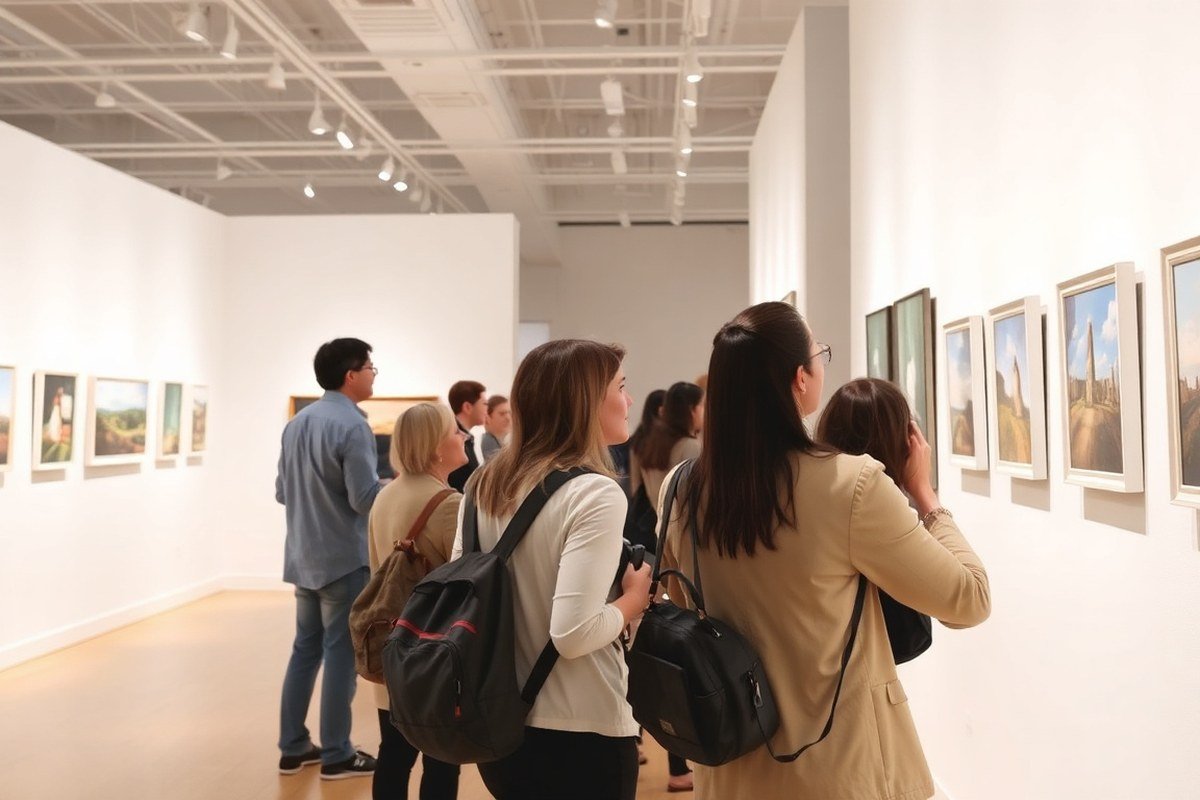
An art exhibition is a public event where artworks are carefully selected and arranged in a space like a gallery or museum. Its main purpose is to showcase artists’ work for an audience, offering a physical space for people to engage with and appreciate various art forms. Exhibitions help the public discover new perspectives, understand artistic techniques, and connect more deeply with the artists’ creative expression.
Art exhibitions function as a bridge between artists and viewers. The art is not just displayed, it is curated to tell a story, highlight a theme, or focus on a specific artist’s journey. Curators, often trained in art history, collaborate with artists to select pieces and organize them in a way that creates a meaningful experience. This process usually involves choosing works that fit an overarching concept and managing details like lighting, positioning, and flow.
The costs and resources needed for an exhibition vary widely but often include securing the venue, transportation and insurance for artworks, installation, and promotional materials detailing the artwork and event information. A well-executed exhibition provides the artist with exposure to a wider audience and offers visitors insight into the art world. Problems can arise, such as poor layout, unclear themes, or inadequate marketing, which may reduce audience engagement or the overall impact.
Exhibitions can also serve as learning platforms, allowing visitors to explore different artistic styles and understand the artist’s process. They foster networking among artists, curators, and art lovers, building community and supporting emerging talent. Whether commercial or non-commercial, every exhibition has the shared goal of connecting creativity with the public in a way that informs, inspires, and sometimes challenges.
Common Types of Art Exhibitions and Their Features
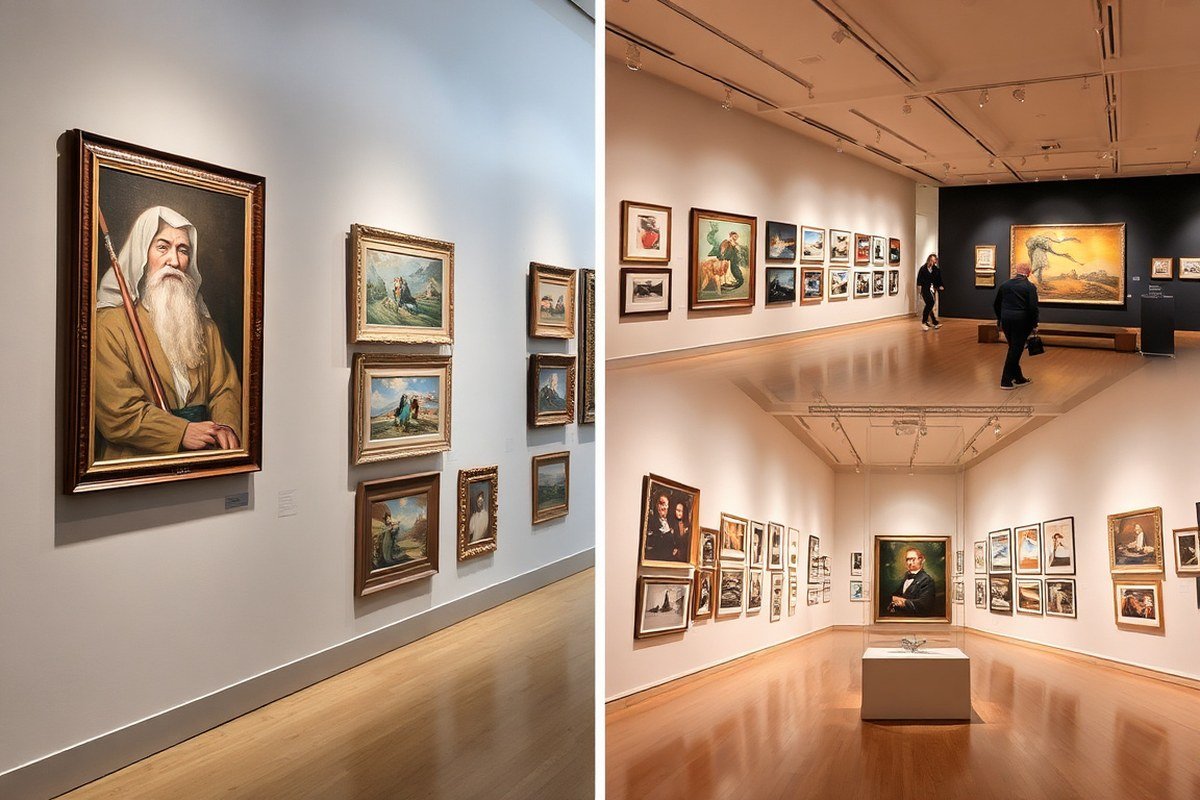
Art exhibitions come in various forms, each catering to different goals and audiences. A Solo exhibition focuses exclusively on one artist’s body of work, offering a deep dive into their style and evolution. These typically run for 4 to 8 weeks and allow for concentrated attention on the artist’s themes and techniques. Solo shows are ideal when you want to highlight an individual’s unique contribution to art.
In contrast, Group exhibitions showcase works from multiple artists, creating a dialogue between diverse perspectives. This type of exhibition often explores a broader theme or style and can introduce viewers to emerging talents alongside established creators. Group shows demand careful curation to balance different artworks and narrative threads effectively.
Retrospective exhibitions present an artist’s career over time, usually at major museums. These complete shows trace artistic development and influence. The challenge lies in selecting key pieces that represent milestones without overwhelming viewers. Retrospectives offer a detailed context, showing how an artist’s work responded to cultural or personal changes.
Thematic exhibitions concentrate on a specific concept, movement, or style, such as abstraction or political art. This format allows curators to assemble works from various artists and periods to explore a unifying idea. Success depends on clear thematic coherence and educational materials to guide visitors through the concept.
Finally, Virtual exhibitions have gained importance with advances in technology. These digital shows require a user-friendly website, high-quality images, and sometimes interactive elements. Costs can be lower than physical exhibits but include web hosting, digital design, and possibly licensing for online presentation. Virtual exhibitions make art accessible globally and can complement physical shows or stand alone during restricted access periods.
| Type | Duration | Focus | Key Features |
|---|---|---|---|
| Solo Exhibition | 4-8 weeks | One artist | Deep focus, personal style, career spotlight |
| Group Exhibition | Varies | Multiple artists | Diverse voices, thematic variety, broader appeal |
| Retrospective | Weeks to months | Artist’s career timeline | Historical scope, major works, career milestones |
| Thematic Exhibition | Varies | Concept or movement | Curatorial narrative, educational focus |
| Virtual Exhibition | Varies | Any format | Online access, navigation ease, image quality |
How Art Exhibitions Are Curated and Organized Step-by-Step

The process of curating an art exhibition starts with identifying a clear concept or theme that guides the selection of artwork. Curators, usually individuals or a team, choose pieces that fit this theme while also considering artistic merit and how the work will engage viewers. For juried exhibitions, a panel of judges scores submissions based on set criteria to narrow down selections. Theme development matters because it shapes the narrative and emotional impact throughout the exhibition.
After the artworks are chosen, the next step involves planning the layout. Curators arrange pieces to create a visual flow that captures attention and encourages visitors to explore. This means considering spacing, lighting, wall colors, and how different styles or mediums complement each other. Organizers often collaborate with artists and gallery staff during this phase to address installation requirements and preservation needs, ensuring each piece is displayed safely and effectively.
Organizing an exhibition also includes logistical tasks like scheduling the opening date, arranging transport for artworks, and creating informational materials such as wall labels or catalogs that provide context. Promotion is coordinated to attract a diverse audience. The entire process from conception to opening can take several months, depending on the exhibition’s scale and the number of contributors involved.
A good outcome shows in an exhibition that tells a coherent story, encourages interaction between viewers and artists, and leaves a memorable impression. Problems arise if the artworks don’t connect, information is sparse, or the layout feels confusing. Keeping close communication between curators, artists, and staff throughout helps avoid these issues and creates a well-rounded visitor experience.
What to Expect When Visiting an Art Exhibition
Art exhibitions typically last from a few weeks up to several months, allowing you to plan visits that fit your schedule. The duration also keeps the experience dynamic, as curators often rotate artworks or themes over time. This setup means you can return to an exhibition and see new pieces or perspectives if you take your time between visits.
Photography policies vary by exhibition. Many venues allow photos without flash, while others prohibit any photography to protect delicate works or artist rights. Look for signs or ask staff before taking pictures to avoid accidentally causing damage or offending copyright rules. When permitted, keep your camera settings discreet and avoid using tripods or bulky equipment without explicit permission.
If you find the art confusing or unfamiliar, engaging with gallery staff or docents can help. These individuals are available to answer questions, offer context, and provide background on artists and themes. You don’t need an art degree to enjoy or understand exhibitions; curiosity and asking questions often improve your experience more than formal knowledge.
Visitors to art exhibitions include art lovers, students, families, and first-time viewers drawn by community events or cultural interest. Exhibitions create spaces where diverse groups mingle, enriching understanding through shared experience. To make the most of your visit, spend time with each piece, reflect on your reactions, and consider reading any available exhibition notes or catalogs. This approach deepens your connection, regardless of prior art familiarity.
Proper etiquette involves respecting the space and artworks. Avoid touching artworks, maintain a moderate voice level, and turn off mobile phones to preserve a contemplative atmosphere. Wearing comfortable shoes helps since exhibitions often involve considerable walking. Taking your time and moving at your own pace allows you to absorb and appreciate the art, making your visit more rewarding and respectful to other visitors.
Where Art Exhibitions Take Place and How They Differ from Similar Events
Art exhibitions typically happen in Museums, galleries, cultural centers, and sometimes public spaces. While galleries often have a permanent collection on display year-round, they also host special exhibitions featuring works from various artists, sometimes from different countries. Museums usually organize exhibitions as part of their programming and might showcase historical or contemporary art. Alternative venues, like schools or community centers, can host exhibitions too, especially if the event aims to engage a local audience or emerging artists.
The difference between an art exhibition and an art fair lies mainly in purpose and scope. An exhibition Focuses on presenting and sometimes interpreting artworks for public viewing, often with a curatorial narrative or theme. An art fair is a commercial event where galleries and artists display works for sale to collectors and the public. Exhibitions may be free or ticketed and prioritize education or cultural engagement, while fairs concentrate on sales and networking.
Anyone can start an art exhibition, but it takes planning, a suitable venue, and often a committee to organize the show. Deciding on a theme or purpose guides the selection of artists and artworks. Costs vary widely based on location, venue rental, promotion, and setup, often ranging from a few hundred to several thousand dollars. Collaborating with a gallery or cultural institution can reduce expenses and provide professional support. Organizers should expect to handle logistics like lighting, artwork preservation (such as using 100% cotton paper for prints), and promotion through media or social channels.
Traveling or touring exhibitions present the same show in multiple venues, requiring adaptations for each space. Galleries and museums also experiment with virtual exhibitions, like online viewing rooms, which no longer limit presentations to physical locations. This flexibility broadens audience reach and changes how exhibitions differ from traditional gallery shows and fairs, offering new ways to experience art beyond physical spaces.
Materials, Preservation, and Promotion Considerations in Art Exhibitions
Archival papers and museum-grade materials play a important role in art exhibitions. These materials help protect artworks from environmental damage, such as acid deterioration, yellowing, or brittleness. For example, paper used for mounting or backing should be acid-free and buffered to resist ageing, maintaining the artwork’s integrity over time. Custom framing options often include UV-filtering glass and acid-free mats to further shield works from light and dust. This care can cost from $100 to several hundred dollars per frame but significantly reduces long-term risks.
Preservation also involves controlling temperature, humidity, and lighting. Ideal exhibition environments keep temperatures between 68 and 72 degrees Fahrenheit with 50% relative humidity. Lighting should use LED bulbs, which emit less ultraviolet radiation and heat, helping prevent fading or warping. Museums often monitor conditions with sensors during an exhibition and adjust HVAC systems accordingly. When exhibiting delicate items like watercolors or textiles, exposure to light should be limited to 50 lux (a measure of illumination) with shorter viewing durations.
Marketing and promotion strategies depend on the audience and scale. Public exhibitions may use social media campaigns, email newsletters, and partnerships with local media to reach a broad crowd. Paid ads can target art enthusiasts within specific regions, while ticketed events often emphasize exclusivity and offer early-bird deals. A simple script for social media might say, “Join us at Gallery XYZ from March 1-30 to explore stunning new works highlighting contemporary landscapes. Reserve your spot online to secure entry.” Timing these promotions about two months before the opening builds anticipation and allows time for word-of-mouth to spread.
Protecting artworks requires careful installation and monitoring during the event. Using secure hanging hardware, guards on floors, and clear signage about touching keeps items safe. For traveling exhibitions or those including fragile media, professional art handlers pack and unpack pieces according to set protocols. Costs for protection measures vary widely depending on the artworks’ size and fragility but typically range from a few hundred to several thousand dollars per exhibition for insurance, equipment, and labor. Proper upkeep throughout the show preserves both the artist’s vision and the viewer’s experience.
Your Quick-Start Action Plan for Exploring Art Exhibitions
Use these steps to get started on attending or organizing an art exhibition with confidence.
- Before your visit: Research the exhibition theme and featured artists to know what to expect. Confirm you understand the venue’s rules, such as photography policies, which shows you’re prepared.
- Day of visit: Arrive early to allow ample time to view each artwork thoughtfully. Engage with available guides or audio tours to deepen your understanding, confirming you absorb more than just visual impressions.
- After the visit: Reflect on your experience by noting favorite pieces and why they stood out. Sharing your impressions with fellow art lovers or through social media indicates a meaningful connection to the exhibition.
- Planning your own exhibition: Define the exhibition’s artistic focus and select works that align clearly with this theme. Ensuring a coherent narrative shows your exhibition is ready for public presentation.
- Two months before the opening: Secure a venue suitable for your exhibition’s size and artwork needs. Proper venue choice helps preserve art integrity and attracts your target audience.
- One month before the opening: Organize art transportation and installation, following preservation guidelines carefully. Successful installation without damage indicates readiness for visitors.
- Two weeks before the opening: Promote the exhibition via social media, local press, and community boards. Growing public interest measures how effective your promotion is.
- Opening day: Host a walkthrough to ensure all displays are optimal and host staff or volunteers can assist visitors effectively. Smooth operation shows your exhibition is well managed.
Frequently Asked Questions
How Do Art Exhibitions Influence Public Understanding of Art?
Art exhibitions shape public understanding by presenting curated themes and narratives. They offer insight into different artistic styles and cultural contexts, encouraging viewers to engage critically with the artworks.
Can Art Exhibitions Include Digital and Interactive Media?
Yes, many exhibitions now feature digital and interactive media to engage audiences in new ways. This expands the traditional concept and invites participation beyond passive viewing.
Do Art Exhibitions Always Rotate Artworks or Keep the Same Display?
Many exhibitions rotate artworks to provide fresh experiences and preserve sensitive pieces. Rotations also allow multiple artists or themes to be showcased over time.
How Do Art Exhibitions Support Emerging Artists?
Exhibitions can introduce emerging artists to wider audiences and potential buyers. Curators might include new talent to diversify the exhibition and promote fresh perspectives.
Are Private Collections Ever Shown in Public Art Exhibitions?
Private collections can be loaned for public exhibitions, giving viewers access to rare or exclusive works. These collaborations often improve the exhibition’s appeal and variety.
Final Thoughts
An art exhibition brings together creativity, curation, and audience engagement, creating a space where art can be appreciated in context. Experiencing an exhibition firsthand deepens your connection to artistic ideas and cultural conversations. Start by attending a local show to observe how it feels and flows, then consider your own creative vision if you want to organize one. Taking that first step opens up new ways to enjoy and share art.