What Is Muzan’s Blood Demon Art? A Complete Guide to His Unique Powers
What is Muzan’s Blood Demon Art? Muzan’s Blood Demon Art is called biokinesis, an ability that lets him control and reshape his body at will. This power reflects his status as the progenitor of all demons and grants immense versatility in combat and survival. Understanding how biokinesis works reveals why Muzan remains the ultimate threat in Demon Slayer.
Key Takeaways
- Blood Demon Arts are only possessed by high-level demons who have consumed many humans.
- Muzan’s biokinesis lets him manipulate his body’s shape, healing, and form instantly.
- Every demon’s Blood Demon Art is unique and linked closely to their identity.
- Muzan’s power isn’t technically unique but is at the pinnacle among demons due to his origin.
- Nezuko’s blood abilities share similarities but are less versatile than Muzan’s biokinesis.
- Blood Demon Arts require development through consuming humans and learning to use powers effectively.
What Exactly Is Muzan’s Blood Demon Art?
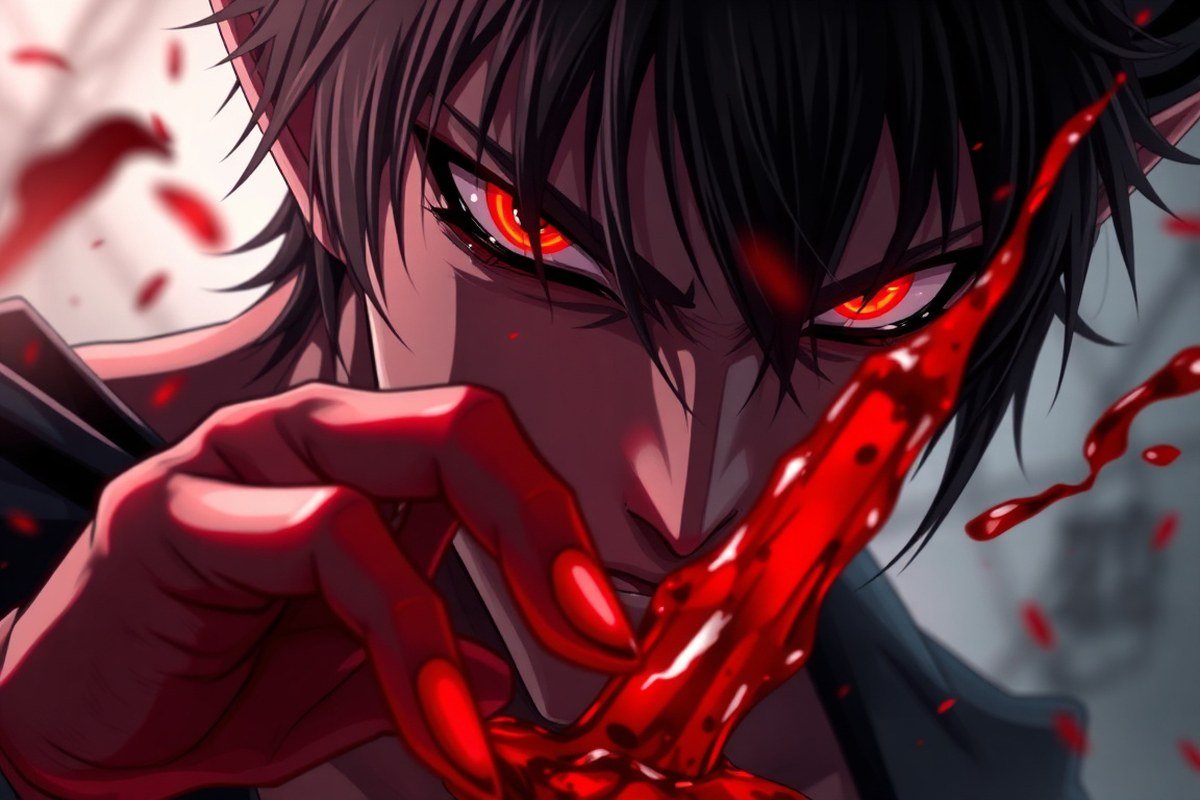
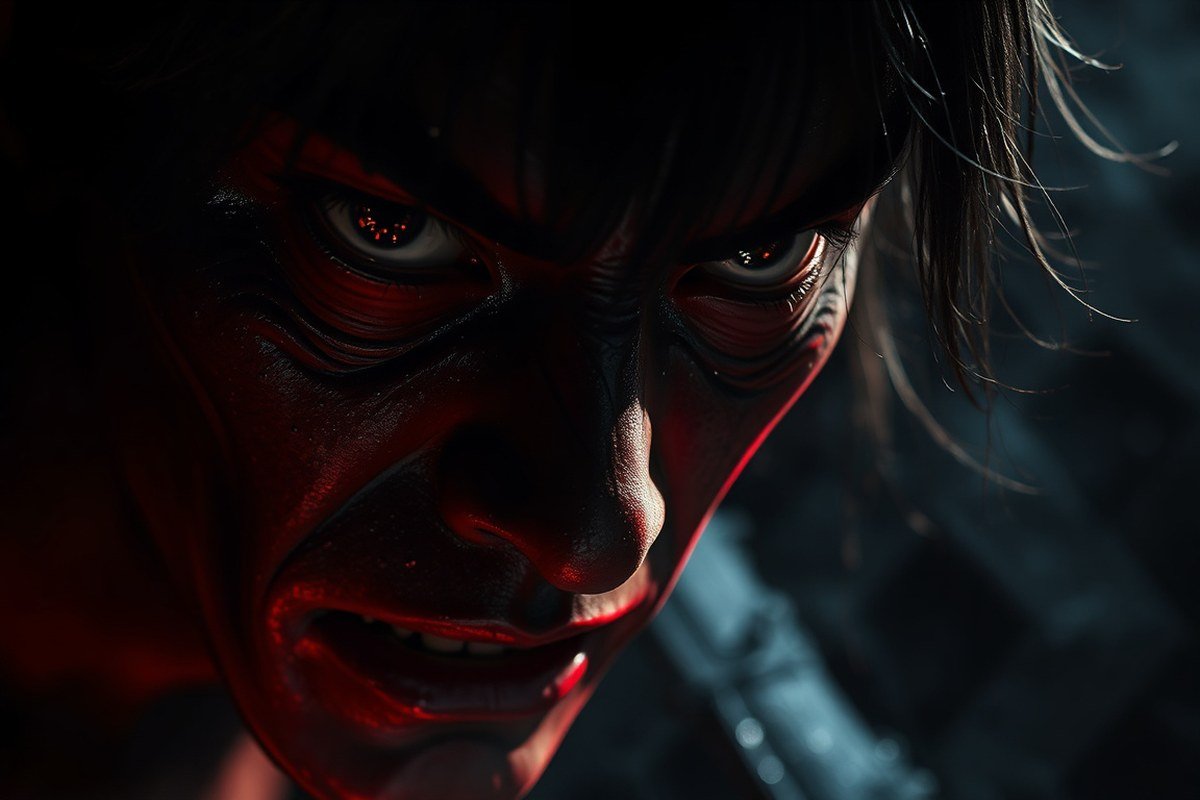
Muzan’s Blood Demon Art is a form of biokinesis that grants him complete control over his body and blood. This ability allows him to shape and weaponize his biological material at will, turning parts of his body into deadly weapons such as spiked barbed wire. In both the manga and anime scenes, you can see Muzan alter his limbs or morph his flesh to adapt to combat situations, demonstrating remarkable versatility and lethality. This manipulation extends beyond simple shape-shifting, enabling him to mobilize and regenerate his body, making him an almost invincible adversary during battles.
The core function of his blood manipulation lies in his ability to control every cell in his body. This power lets him create offensive tools or defensive barriers from his own flesh and blood, which he can extend or retract instantly. For example, when surrounded or attacked, Muzan can deploy blood spikes to entangle enemies, slowing them down while delivering lethal strikes. His body’s transformation isn’t limited to external appearances; it includes internal organs and structures, allowing for both offensive and regenerative tactics to maintain peak fighting conditions.
Key capabilities of Muzan’s Blood Demon Art include: shape-shifting his body to change appearance or form weapons, creating offensive structures like blood spikes or barbs, and rapid regeneration to heal damage sustained in battle. This power takes intense biological control and concentration, as his transformations must remain organic, limiting the ability to form inorganic shapes or materials. Despite this, Muzan’s biokinesis gives him a dynamic edge, allowing him to adapt quickly to various combat scenarios by combining shape-shifting with weapon creation and healing.
How Muzan’s Blood Demon Art Reflects His Identity and Power
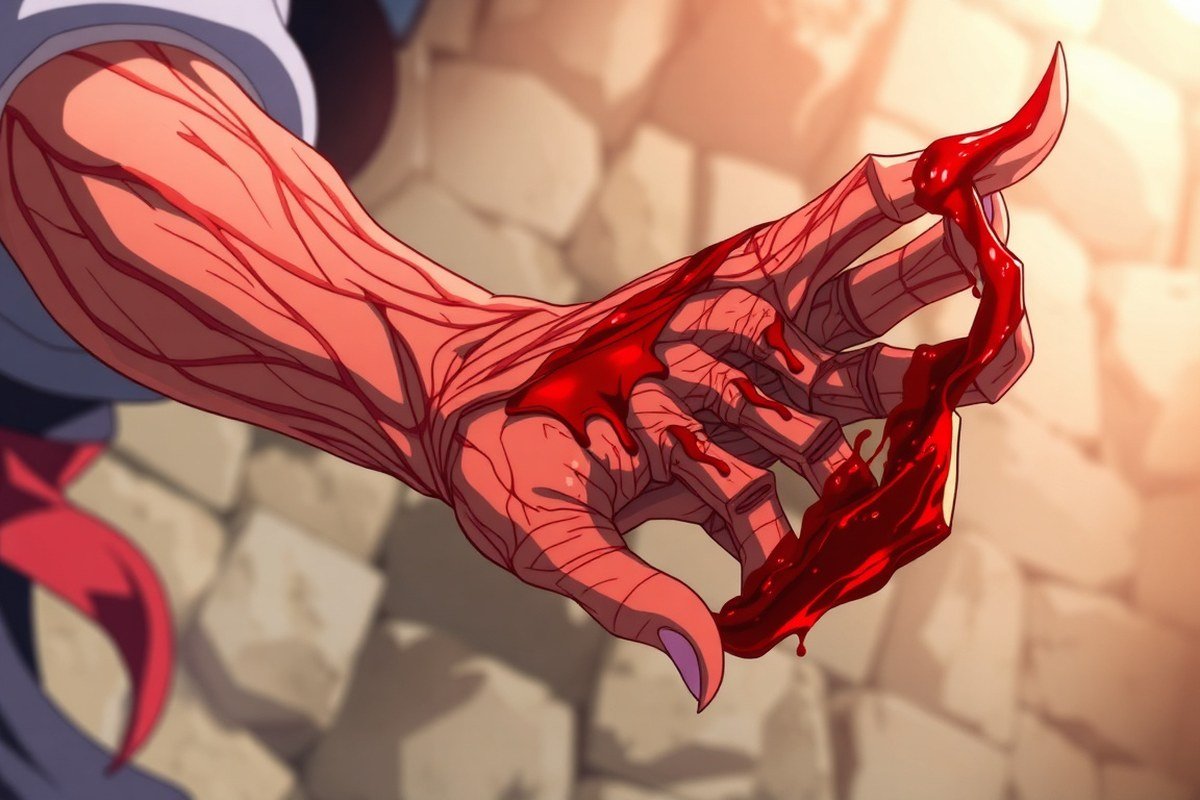
Muzan Kibutsuji’s Blood Demon Art stands apart from other demons due to its origin and extraordinary control over his own blood. As the first demon and the source of all others, his ability reflects both his unparalleled power and central role in the demon hierarchy. Unlike demons like Hantengu or Gyokko who use their Blood Demon Arts for splitting into emotional clones or summoning monsters, Muzan’s technique revolves around the perfect manipulation of his blood for offense, defense, and transformation.
His power is directly linked to being the progenitor of demons. Muzan’s blood enables regeneration and immense physical strength in any demon created from it, but he alone shows the capacity to shape his blood into deadly projectiles, control its movement remotely, and even alter his form to evade attacks. This level of mastery symbolizes his identity as the original and most feared demon, emphasizing that his abilities go beyond the physical to embody control over his very essence.
This Blood Demon Art also mirrors Muzan’s personality, calculated, elusive, and ruthless. His preference for staying in the shadows and eliminating threats silently is enabled by his quiet but deadly blood control. It highlights his status as a dominant force, constantly evolving to maintain superiority. The cost is his constant vigilance; any weakness can be fatal in battles where lesser demons rely more on brute force or predictable abilities. His ability to adapt blood manipulation in various scenarios, from assassination attempts to full-on fights, proves his art’s flexibility and power.
In battle, the results are devastating when he uses this art effectively: nearly invulnerable, highly mobile, and capable of offensive strikes unseen in other demon abilities. Yet, his reliance on blood control also means if his blood were somehow neutralized or restricted, it could severely limit him, a rare vulnerability. This delicate balance between absolute power and constant risk perfectly reflects his role as Demon Slayer’s ultimate antagonist.
Unique Abilities and Limits of Muzan’s Blood Demon Art
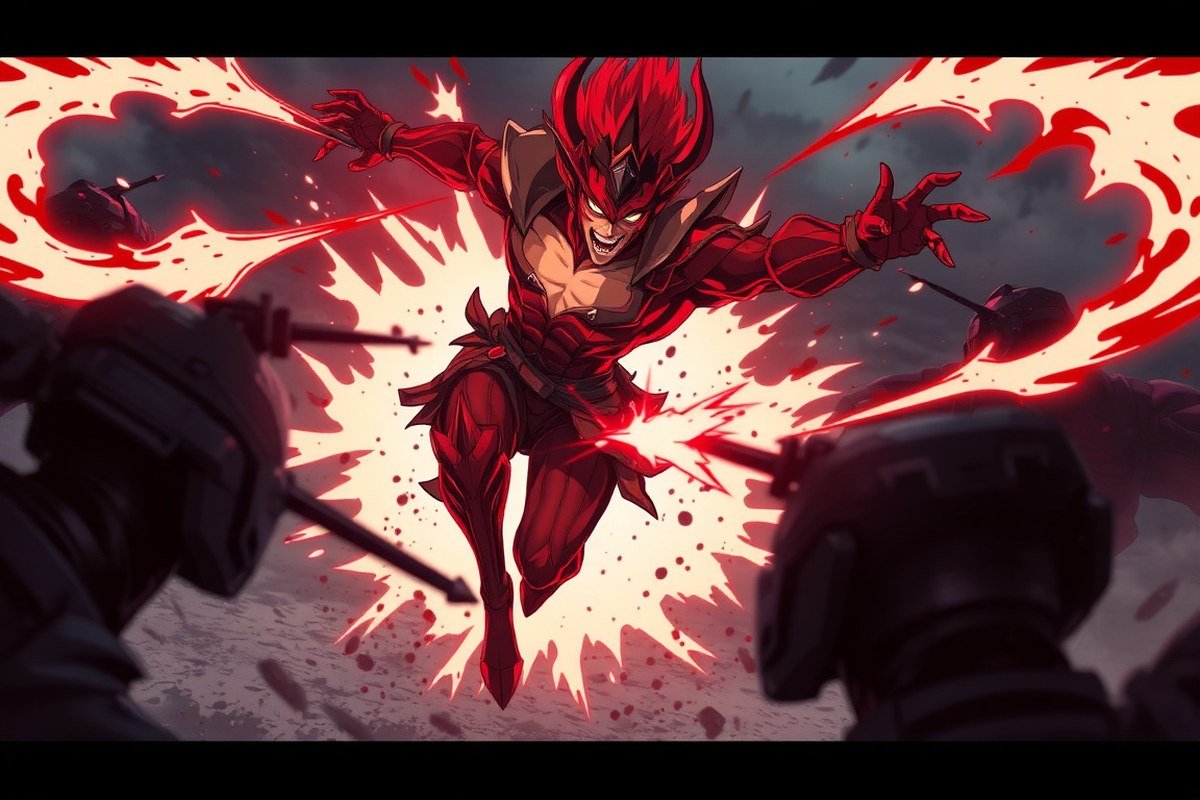
Muzan’s Blood Demon Art grants him immense biokinesis blood control, allowing him to manipulate his body and blood in ways no other demon can. He can shape-shift his entire body, altering his appearance to mimic humans or other forms, which helps him evade detection. Also, he can create weapons from his flesh, such as blades and spikes, enabling close-range combat flexibility. His regeneration ability is one of the fastest and most efficient observed, healing severe injuries within seconds, which makes him extremely difficult to defeat.
- Shape-shifting: complete transformation of body parts or changing his overall appearance.
- Weapon creation: generating blades and spikes from blood and flesh for offense and defense.
- Rapid regeneration: healing wounds instantly to maintain fighting capability.
- Poison secretion: producing toxic substances in his blood to weaken opponents.
- Improve physical strength: increasing power of his attacks beyond typical demon limits.
- Blood manipulation to control subordinate demons or influence their biology.
These abilities play key tactical roles, such as using shape-shifting to infiltrate human society or ambush enemies. Weapon creation provides versatility during battle, allowing Muzan to switch between ranged and melee attacks fluidly. His regeneration sustains him in prolonged fights, forcing opponents to find ways to suppress or circumvent this power. However, these abilities have limits: his shape-shifting requires concentration and momentary vulnerability, and his regeneration depends on continuous blood flow and is less effective against decapitation or complete dismemberment.
| Ability | Strength | Vulnerabilities |
|---|---|---|
| Shape-shifting | Perfect disguise and sudden physical adaptations | Requires focus; not instant for large body changes |
| Weapon creation | Variety of weapons made on demand | Weapons depend on available blood; physical strain |
| Rapid regeneration | Recovers from mortal wounds quickly | Ineffective if limbs severed or decapitation occurs |
To counter Muzan’s Blood Demon Art, opponents must exploit his regeneration limits by severing or destroying his important parts swiftly. Using sunlight or Nichirin blades, which are deadly to demons, can override his biological control. Recognizing the momentary weakness during his shape-shifting can open windows for attack. Battles involving Muzan demand constant vigilance and adaptability, using his blood control strengths against his inherent vulnerabilities.
How Muzan’s Blood Demon Art Compares to Other Demons’ Powers
Muzan’s Blood Demon Art sets a high standard among demons thanks to his unique ability to control his blood and influence other demons through it. This biokinesis not only allows him to heal quickly and create new demons by injecting his blood, but also grants him unparalleled control over the demon hierarchy. Other demons also wield potent Blood Demon Arts, though each reflects their personality and fighting style, resulting in a diverse range of powers and battlefield utility.
| Demon | Blood Demon Art | Special Features |
|---|---|---|
| Muzan Kibutsuji | Blood Biokinesis and Blood Manipulation | Heals rapidly, controls other demons via blood, creates new demons, shapeshifting abilities |
| Akaza (Upper Moon 3) | Destructive Death (Fist-based blood techniques) | Improve close combat, regenerates, can manipulate blood for powerful strikes |
| Daki (Upper Moon 6) | Sash Manipulation | Uses blood-infused sashes for long-range attacks and binding opponents |
| Gyutaro (Upper Moon 6) | Blood Sickness | Toxic blood blades and spreading blood illness, effective for close and ranged combat |
| Enmu (Lower Moon 1) | Sleep Manipulation | Uses blood-based abilities to manipulate dreams and paralyze enemies |
Among these demons, Muzan’s blood manipulation stands apart due to its versatility and scale. His capacity for biokinesis extends beyond combat, influencing the entire demon population and allowing mass demon creation. Others, like Akaza and the Lower Moons, focus on specialized blood attacks suited to their fighting styles, whether that’s brutal fist strikes or controlling sashes. The Upper Moons typically have advanced Blood Demon Arts granting them regenerative powers and offensive versatility, but none achieve Muzan’s level of dominance or strategic control.
The cost of using these Blood Demon Arts usually involves stamina and the demon’s lifespan, except for Muzan, who can sustain his through his unique physiology and almost endless regeneration. The Effectiveness in battle often depends on the user’s experience and their Blood Demon Art’s compatibility with the situation. Muzan’s skill allows him to adapt fluidly during battles, while other demons’ abilities can be limited to specific ranges or attack patterns, making Muzan’s powers the most feared in the demon ranks.
Common Misconceptions and What Muzan’s Blood Demon Art Really Means
Many fans assume Muzan Kibutsuji’s Blood Demon Art grants him limitless, godlike power, making him invincible. This belief overlooks the clear narrative and mechanical limits displayed throughout Demon Slayer. Muzan is extremely powerful, but his abilities come with specific drawbacks and risks that keep him balanced as the series’ primary antagonist.
Common misconceptions often exaggerate his power or ignore its vulnerability points. Muzan cannot outright regenerate endlessly without restraint, nor is he immune to well-prepared or strong demon slayers. His powers rely heavily on blood manipulation, but this requires physical presence and concentration, which fighters can exploit.
- Myth: Muzan is completely invincible, Fact: He can be harmed and killed by extremely skilled demon slayers using specific techniques.
- Myth: His Blood Demon Art makes him a god, Fact: His powers have clear tactical limits and weaknesses.
- Myth: He can instantly control all demons without exception, Fact: Some demons resist or are unaffected by Muzan’s commands.
- Myth: His regeneration lets him survive any injury, Fact: Regeneration requires time and energy, and repeated harm weakens him.
- Myth: His power allows him to avoid detection indefinitely, Fact: Demon slayers have developed ways to track or confront him.
The narrative balances Muzan’s status by making his abilities formidable but not absolute. His Blood Demon Art plays a significant role in portraying a relentless threat that can be overcome. His limits encourage strategy and cooperation among demon slayers. The power costs him stamina and leaves openings during use, ensuring his encounters have tension and possibility. This approach keeps the story engaging while grounding his abilities in a system that fits the world.
Understanding and Observing Muzan’s Blood Demon Art in Demon Slayer
To grasp the full scope of Muzan’s Blood Demon Art, focus on how it reveals his influence and power in action. Follow these steps to spot its key traits and effects.
- Before watching relevant episodes or chapters: Familiarize yourself with Muzan’s general abilities and history from early scenes to set context. This helps you notice how his blood manipulation stands out.
- During battle scenes featuring Muzan: Pay attention to instances where he uses blood-based attacks or transformations, noting their effect on opponents and environment. Recognize these as applications of his Blood Demon Art.
- Immediately after major fights: Observe changes in Muzan’s form or abilities, especially shifts linked to the use of his power. These moments often expose the limits and costs of his blood manipulation.
- Within character dialogues: Listen for explanations about his blood’s properties or strategic use, which clarify how his abilities distinguish him from other demons.
- Following key plot developments: Notice how Muzan’s Blood Demon Art influences other characters, such as the creation of new demons or control over them. This shows its lasting impact beyond direct combat.
- As you compare demon powers: Reflect on how Muzan’s abilities rank in strength and versatility, helping you understand why he remains the central threat in the series.
Frequently Asked Questions
Is Muzan’s Blood Demon Art Considered Unique Among Demons?
Muzan’s Blood Demon Art is technically not unique since each demon’s Blood Demon Art is tied to their identity, but it is fitting for him as the first and most powerful demon. His ability reflects his status as the progenitor of all demons.
Can Muzan Shape Others’ Bodies with His Blood Demon Art?
No, Muzan’s Biokinesis allows control only over his own body for shape-shifting and self-regeneration, but he cannot directly manipulate other demons or humans.
Does Muzan’s Blood Demon Art Evolve over Time?
Yes, like other demons, Muzan’s Blood Demon Art evolves as he gains more power and feeds on humans, improving his control and abilities over time.
Is Muzan’s Blood Demon Art the Strongest Among All Demons?
Muzan’s ability is among the most powerful due to his long existence and status, but other demons have powerful unique Blood Demon Arts too, making it context-dependent.
How Important Is Muzan’s Blood Demon Art to His Overall Strength?
It’s essential as it grants him complete control over his body, making him highly resilient and deadly, complementing his physical strength and tactical prowess.
Wrapping Up
Muzan’s Blood Demon Art defines his deadly edge, showcasing unique blood manipulation that sets him apart from every other demon. To deepen your understanding, watch the final battles carefully, noting every instance where his blood power shifts the tide. This focus will reveal how central his Blood Demon Art is to his identity and the Demon Slayer story.