What Is a Giclee Print vs Art Print a Complete Guide with Key Differences
A giclée print represents a detailed fine art copy created using archival, pigment-based inks on materials like 100% cotton or rag paper. In contrast, typical art prints rely on dye-based inks applied to less lasting materials, often fading within ten years. To assess quality and durability, examine the type of paper and ink employed.
Key Takeaways
- Giclée prints use pigment inks that resist fading for 100+ years under proper conditions.
- Standard art prints typically use dye-based inks that fade noticeably within 5 to 10 years.
- Archival papers for giclée prints cover 25% to 100% cotton rag content and weigh 190, 400 gsm.
- Durability and archival materials impact print value and replacement cost over time.
- After printing, giclée prints require 24, 48 hours to properly cure before framing.
- Look for acid-free, 100% cotton or rag-base paper brands like Hahnemühle or Canson for giclée authenticity.
What Is a Giclée Print and How It’s Made
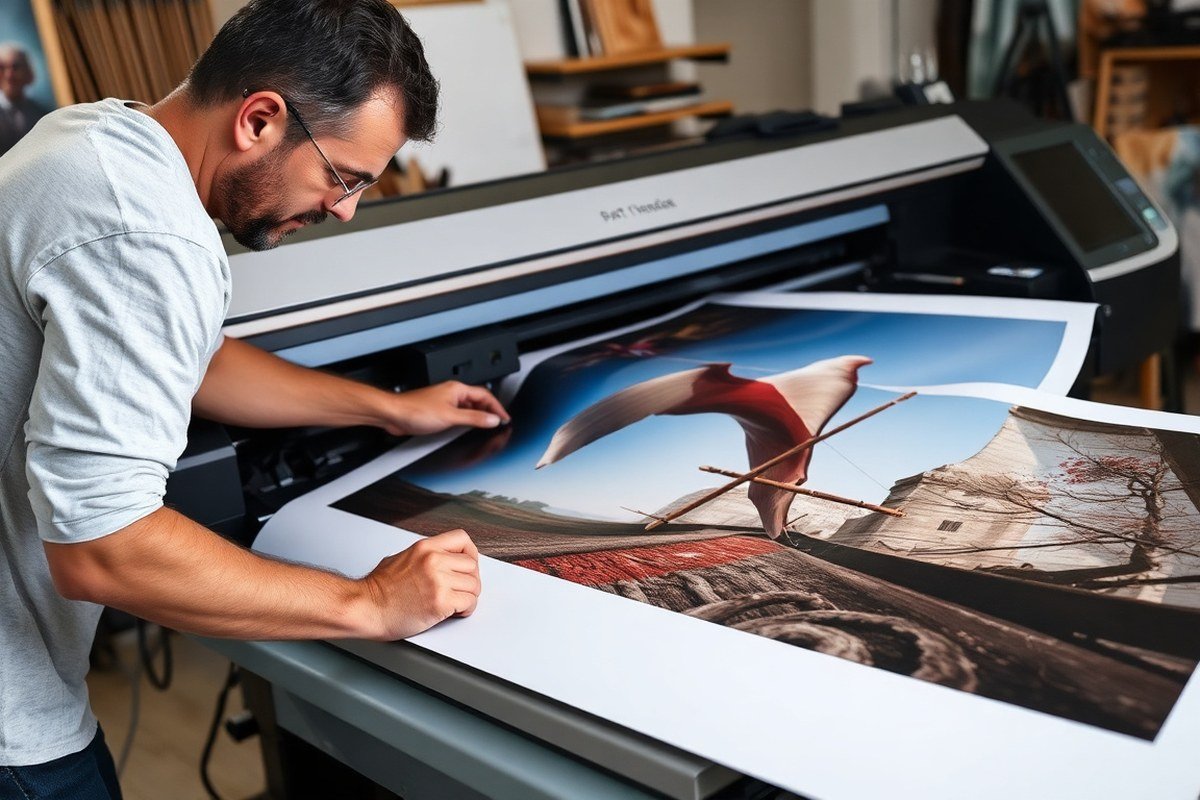
A giclée print results from a specialized inkjet printing technique that produces fine art reproductions. This process uses high-end printers to apply tiny dots of long-lasting, pigment-based inks onto select media such as fine art paper or canvas. This approach delivers outstanding color precision, crisp detail, and a broad color range, often achieving resolutions between 300 and 1440 dpi or higher. The name “giclée” originates from the French term for “to spray,” reflecting how the ink is applied.
Materials for giclée prints include archival, acid-free papers or canvases that often have a high cotton rag content, ranging from 25% up to 100%, with paper weights typically between 190 and 400 grams per square meter (gsm). These substrates contribute to the print’s durability and the ability to last over 100 years without significant fading when properly cared for. The inks used are pigment-based rather than dye-based, which provides superior UV resistance and longevity important to collectors and artists.
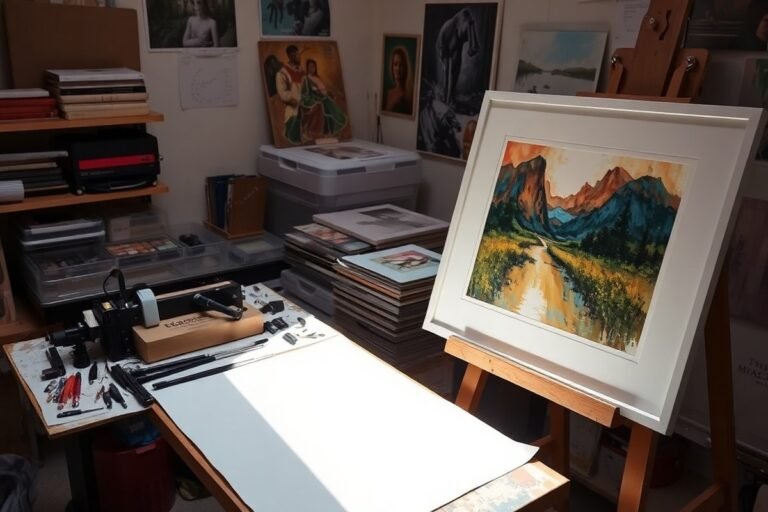
The production process begins with a high-resolution digital file of the original artwork, scanned or photographed at detailed quality to capture every color and texture nuance. This file is then sent to a specialized fine art printer equipped with multiple ink cartridges, often 8 to 12 colors, to achieve subtle gradations and color depth. The printer applies the ink in many ultra-thin layers, building the image slowly to avoid saturation and maintain sharpness. After printing, the piece may undergo drying and curing steps to ensure ink stability. Strict environmental controls during printing also help avoid dust or color shifts that degrade quality. Producing a true giclée print requires advanced equipment, archival-quality materials, and careful craftsmanship to reach the high standards demanded by collectors and artists seeking museum-level quality.
What Are Standard Art Prints and Their Common Forms
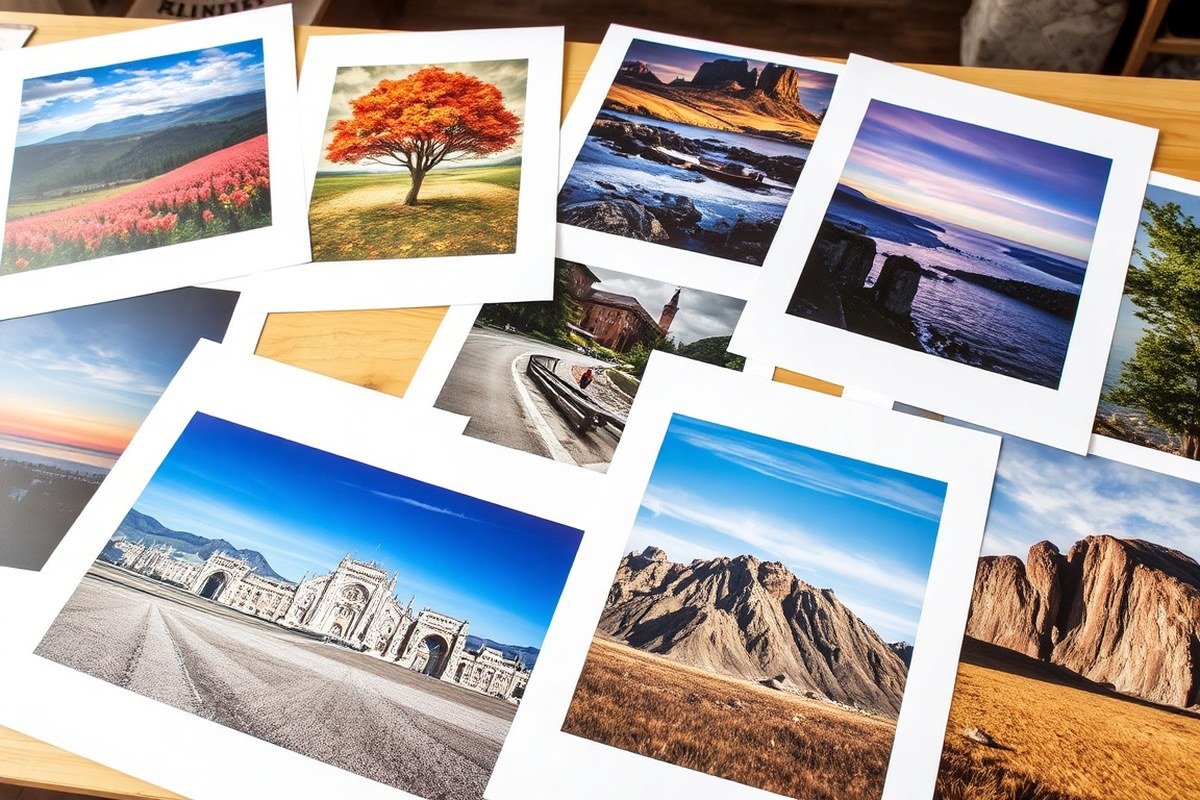
Standard art prints are typically created using offset printing or digital printing methods that employ dye-based inks. These inks tend to be less durable and less color-accurate compared to the pigment-based inks used in giclée prints. Standard prints often reproduce artwork at a lower resolution, around 150-200 DPI, which can result in less sharpness and detail in the final image. The paper or substrates for these prints usually consist of lighter-weight papers designed for mass production, such as coated or uncoated photo paper, poster paper, and sometimes basic watercolor-style papers. These materials lack the archival qualities needed for long-term preservation and begin to show fading or color shifting within a few years of display under normal indoor conditions.
Standard prints are commonly used for posters, reproductions sold at lower price points, and prints intended for casual decoration. The cost of producing such prints is significantly lower, often ranging from a few dollars to around $40 per print, depending on size and quantity. This affordability makes them accessible but limits their value for serious collectors or artists who want their work to last. These prints can still look appealing on the wall but usually lack the texture and weight of fine art papers and don’t have the depth provided by archival pigment inks. Framing standard prints is often done using glass or acrylic without special considerations for preservation, which can accelerate degradation over time.
Side-by-Side Comparison of Giclée Prints vs Art Prints
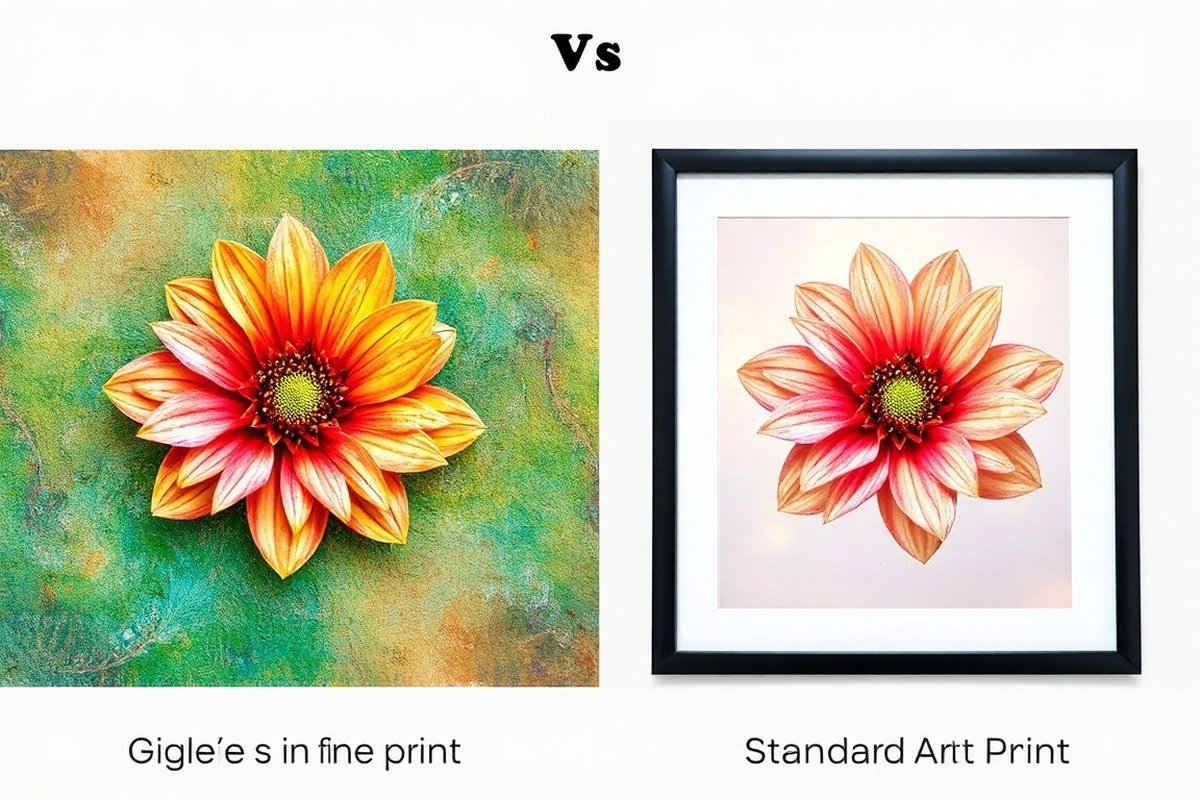
| Feature | Giclée Print | Standard Art Print |
|---|---|---|
| Materials Used | Archival paper or canvas with pigment-based inks | Regular paper with dye-based inks or toner |
| Durability | Highly durable, resists fading and deterioration over 200+ years when protected | Less durable, colors may fade or paper yellow within 10-20 years |
| Color Accuracy | Exceptional color depth and precision matching original artwork | Limited color range, less precise reproduction |
| Resolution | High resolution: typically 1200 dpi or greater for fine detail | Lower resolution: usually max 720 x 1440 dpi |
| Longevity | Can last over 200 years under UV-protected framing | Typically lasts 10, 20 years before noticeable degradation |
| Cost (for similar sizes) | Ranges from $50 to several hundred dollars due to quality materials and labor | More affordable, often $10, $50 depending on print run and size |
Giclée prints stand out because they use Archival quality paper or canvas combined with pigment-based inks. These materials resist fading and aging far better than the dye-based inks on regular paper used in standard art prints. This explains why giclée prints maintain color integrity and vibrancy for 200 years or more when displayed behind UV-protective glass, while typical art prints may start losing their color in just a decade or two.
The higher resolution of giclée printing, usually 1200 dpi or more, captures intricate details close to the original artwork’s quality. In contrast, standard prints top out around 720 by 1440 dpi, making them less sharp and less color-accurate. Serious collectors often see this difference as important, especially when seeking museum-quality reproductions.
Cost differences reflect these material and technical distinctions. Giclée printing requires more expensive inks, premium paper, and longer printing times, so prices typically range from $50 up to several hundred dollars for a similar-sized piece. Standard art prints aim for affordability, costing between $10 and $50, making them accessible but less durable and vivid over time.
How Longevity and Archival Quality Affect Print Value
Archival quality in prints means the materials used are designed to last a long time without significant fading, discoloration, or degradation. This quality is especially important for art collectors and enthusiasts because it affects how well your print holds up over decades or even centuries. Archival prints typically use acid-free papers or canvases and pigment-based inks, which resist deterioration from light and environmental factors much better than standard dye-based inks.
Pigment inks contain tiny solid particles that are chemically stable and resist ultraviolet light, making them last much longer than dye inks. While dye inks soak into the paper and fade within 10 to 20 years, pigment inks in giclée prints can remain vibrant for 100 years or more if properly cared for. The choice of substrate also matters; acid-free Hahnemühle papers or canvas that have been specifically engineered for pigment inks prevent yellowing and breakdown over time.
Proper Framing and display play a key role in preserving your archival print. Using UV-protective glass or acrylic can block harmful rays that accelerate fading. Maintaining a stable environment with consistent temperature and humidity helps avoid paper warping or canvas cracking. Avoid placing prints in direct sunlight or near heat sources. Acid-free matting and backing boards should be used inside the frame to prevent chemical damage. For optimal preservation, frame your giclée print professionally, which typically costs between $100 and $300 depending on size and materials used.
When displaying a more affordable standard art print, expect a shorter lifespan unless steps like UV-filtering glass and acid-free backing are taken. For investment-level giclée prints, the combination of archival pigment inks, quality substrates, and careful framing ensures the artwork maintains its value and appearance over many decades, making it a wise choice for collectors who want lasting quality in fine art reproductions.
When to Choose a Giclée Print or a Standard Art Print
Choose a giclée print if you want high fidelity to the original artwork, with accurate color and detail that lasts. Giclée prints use archival inks and papers that resist fading for decades, making them ideal for collectors or artists who want their reproductions to endure. They typically cost between $50 and several hundred dollars depending on size and material, which fits well when longevity and investment value matter.
Standard art prints suit decorative use where budget or quantity is the priority. These prints use less expensive inks and papers, often resembling posters but with better quality. You might pay $10 to $40 for a typical print, which is economical for casual decor or mass sales. These are fine when you expect shorter display times or plan frequent rotation, such as seasonal decoration or gifts without long-term archival concerns.
Consider location and environment: giclée prints perform better in rooms with natural sunlight or fluctuating humidity because their materials handle such conditions without degrading quickly. A standard print exposed to similar conditions may fade or curl within a few years, leading to visible quality loss. For spaces with stable lighting and temperature, standard prints can maintain their appearance longer.
To decide, ask yourself: Is the print a collectible or a keepsake meant to last multiple decades? Choose giclée. Is it for a temporary display or budget-friendly art for a less formal setting? Go with a standard print. For example, artists making limited editions or galleries charging premium prices opt for giclée because each print is considered an original piece, adding to its value. This exclusivity justifies the higher price and slower production.
Balancing budget with purpose works well using this rule: allocate your funds toward giclée prints when longevity and fine detail are non-negotiable. If price is the main constraint and you can accept shorter display life or slight color shifts, a standard art print accomplishes your goals economically. This approach helps preserve your investment and satisfaction over time.
Understanding the Cost and Value Relationship of Prints
Giclée prints generally carry a higher price tag than standard art prints, and that difference can be justified by their superior materials, precision, and durability. A common price range for a giclée print can be between $100 and $500, whereas a standard art print often costs $20 to $100. This increase reflects the use of archival inks, heavyweight fine art papers or canvases, and advanced printing technology that together extend the lifespan of the artwork to potentially 75 years or more without significant fading.
Calculating the cost per year of lasting quality helps you understand value beyond the sticker price. For example, a giclée print priced at $300 that lasts 75 years costs about $4 per year. Meanwhile, a standard print at $50 lasting 10 years equates to $5 per year. This simple division, price divided by estimated longevity, illustrates how giclée prints often offer better long-term value despite the upfront expense.
Several factors drive pricing for fine art prints. These include the type of inks used, with pigment-based inks in giclée printing providing improve color stability and fade resistance compared to dye-based inks common in standard prints. The quality and weight of the paper or canvas also affect cost. Fine art papers usually weigh 200 gsm or more, with acid-free and cotton content making them suitable for archival storage. Limited editions and artist signatures can raise the price further by adding exclusivity and authenticity.
Price differences also reflect production methods. Giclée prints require carefully calibrated printers and controlled environments, increasing labor and equipment costs. Standard art prints often rely on mass production, which reduces costs but compromises some aspects of color fidelity and longevity. Therefore, your choice depends on balancing budget with desired lifespan and display quality.
Verifying Quality and Avoiding Common Buying Mistakes
Verifying the quality and authenticity of a giclée print or any fine art print involves a careful checklist you can follow before making a purchase. Start by asking the seller for detailed information about the Archival quality of the paper and inks used. Archival-grade materials typically resist fading for decades when properly displayed, so check if the paper is acid-free and if the inks are pigment-based rather than dye-based. These details often come with a certificate of authenticity or a technical sheet that specifies the print’s expected lifespan, which can range from 50 to over 100 years under ideal conditions.
Examine the print up close to assess color accuracy and detail sharpness, which are hallmarks of giclée prints due to their high-resolution inkjet process. Missing this step can lead to buying prints with washed-out colors or blurry details that don’t match the original artwork. Request proof images or samples prior to purchase and inquire about the printing equipment and calibration procedures to avoid miscoloration.
Common mistakes include assuming all prints labeled “giclée” meet archival standards or falsely trusting prints without verification. Not all giclée prints use the same inks or papers, and some may simply be marketing terms. To avoid this, always seek printed documentation and, when possible, consult reviews or feedback from other collectors on the printer or artist’s reliability. Avoid purchasing prints with unclear origin or poor packaging, since improper storage can harm quality even before purchase.
There’s a common myth that giclée prints are always more valuable or superior to standard art prints. While giclée offers better color fidelity and longevity, standard prints can still suit casual collectors or those on a budget. Focus on your intended display time, environment, and handling. For example, a casual art buyer looking for decorative pieces might accept standard prints that cost less, while serious collectors should verify archival claims thoroughly to protect their investment.
Quick-Start Action Plan to Choose Between Giclée Prints and Art Prints
Use this plan to decide which print type suits your collection or artwork needs and ensures you invest wisely.
- Right now: Identify your budget for purchasing or producing a print; this sets realistic expectations for print type and quality.
- Today: Examine the location where the print will be displayed or stored. Look for factors like sunlight, humidity, and handling frequency to determine durability needs.
- This week: Research local galleries or online sources to compare examples of giclée and standard art prints, noting differences in texture, colour vibrancy, and paper quality.
- Within 3 days: Request or examine certification or proof of archival materials and print technology used, especially for giclée options.
- After you decide your print type: Ask about return policies or guarantees to protect your investment before completing the purchase or print order.
- After receiving the print: Inspect the print under natural light for colour accuracy and check for damage or defects as confirmation of quality.
- One week post-purchase: Set up proper framing and UV-protective glazing if you selected a giclée print to maximize longevity.
Frequently Asked Questions
How Does a Giclée Print’s Texture Compare to a Standard Art Print?
A giclée print often uses textured, archival paper like 100% cotton, providing a tactile fine art feel, unlike many standard art prints that use smoother, lower-quality papers. This improve the viewing and collecting experience due to paper quality and feel.
Are Giclée Prints Always Produced in Limited Editions?
Not always, but they often are to add exclusivity and value. Limited editions help maintain the print’s rarity and appeal among collectors, though open editions exist for broader display or portfolios.
Can Giclée Prints Be Made on Canvas?
Yes, giclée printing can be done on fine art canvas as well as thick watercolor paper, making it versatile for different artistic styles and display preferences. This flexibility supports faithful reproductions on preferred materials.
Why Do Giclée Prints Typically Last Longer Than Standard Art Prints?
Giclée prints use archival pigment inks and high-quality paper designed to resist fading beyond 100 years, while standard prints may use less durable inks lasting 50, 100 years. Longevity depends on materials and environment.
Is the Term “Fine Art Print” Interchangeable with “Giclée Print”?
They are related but not identical; giclée is a specific type of fine art print using inkjet pigment printing. All giclées are fine art prints, but not all fine art prints are giclées. This distinction affects printing methods and quality.
Key Points to Remember
Choosing between a giclée and a standard art print comes down to your priorities around longevity, detail, and budget. You can protect your investment by closely inspecting materials and production methods before buying. Next, take time to view samples or ask detailed questions to ensure your chosen print meets your expectations for quality and display environment.