What Is Splash Art: A Complete Guide to Definition, Creation, and Career
What is splash art? It’s high-quality digital illustrations that showcase game characters or scenes, often seen during loading screens. Splash art captures the game’s energy and style, attracting players before the gameplay starts. Start by studying how successful games use splash art to set the mood and create visual excitement.
Key Takeaways
- Splash art serves as a player’s first impression, influencing 85% of their decision to try a game.
- These illustrations highlight game characters’ personality, abilities, and design in vivid detail.
- League of Legends is a prime example, with each champion featuring unique splash art by various commissioned artists.
- Splash art is tailored for interactive environments, differing from traditional static art.
- Creating splash art involves digital painting skills, usually with specialized software and tools.
- Placeholder splash art can be used during development to test visuals before final versions are ready.
What Is Splash Art and Why Is It Important in Games?
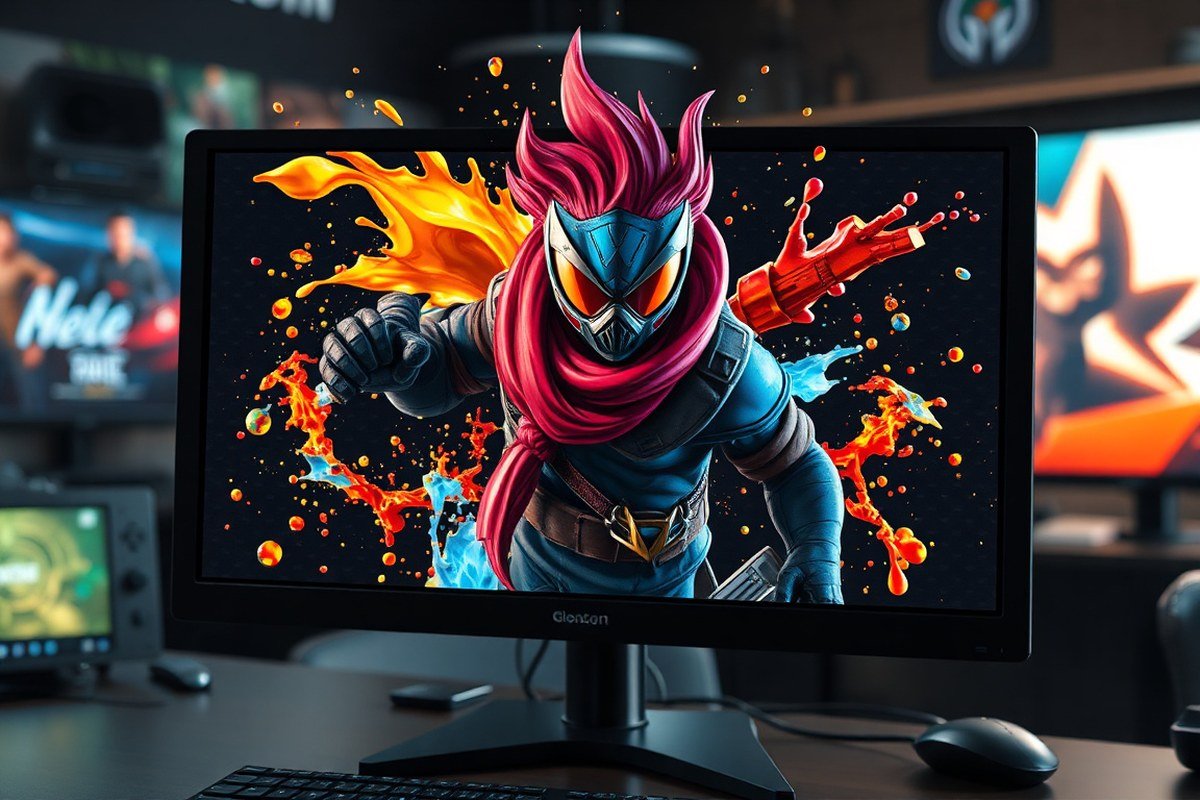
Splash art in video games refers to high-quality, dynamic digital illustrations that showcase characters, scenes, or key moments, typically displayed during loading screens or menus. These bold visuals are called splash art because they deliver a vivid, attention-grabbing impact similar to a splash of paint or water. For example, in League of Legends, each of the 140 champions has unique splash art that highlights their design and personality, instantly capturing player interest.
Splash art aims to build an emotional link right before gameplay starts. It establishes the mood and hints at the story, drawing you into the game environment. By blending refined design with emotional narratives, splash art forms your initial impression and improve how memorable the game feels. Research indicates roughly 85% of gamers choose whether to play a game based on visual elements like splash art. This shows splash art plays a role in improving player engagement and impacting a game’s reputation and commercial outcomes.
The process to create effective splash art involves artists crafting detailed, character-focused images that stand out with dramatic poses, vibrant colors, and fine details. The artist starts by researching the character’s identity and game context, then sketches a composition that conveys energy and emotion. After approval, they proceed with coloring, shading, and adding effects to bring the image to life. Finally, splash art is optimized for different screen resolutions and game interfaces.
Good splash art strikes a balance between visual appeal and storytelling. It should clearly communicate the character’s role or the scene’s mood without overcrowding the image. Poor splash art can confuse players or fail to generate excitement, while excellent splash art acts like a movie poster that invites you into the game’s universe and promotes brand recognition simultaneously. This dual role as player engagement tool and marketing asset makes splash art essential in modern video games.
How Do Artists Create Splash Art: Tools and Workflow Explained
Splash artists primarily use digital software like Adobe Photoshop, Krita, and Clip Studio Paint to create their detailed illustrations. Photoshop remains a top choice due to its wide array of brushes, layering options, and color management tools, although Krita offers a free alternative that’s also powerful enough for professional-quality work. Beginners often start with accessible programs like Gimp or FireAlpaca to practice without upfront costs.
| Software | Cost | Key Features | Best For |
|---|---|---|---|
| Adobe Photoshop | $20.99/month | Extensive brush library, advanced layering, color correction, soft proofing | Professional artists, high-detail finishing |
| Krita | Free | Custom brushes, stabilizers for smooth lines, animation support | Artists on budget, beginners, indie projects |
| Clip Studio Paint | $49.99 one-time | Pen pressure sensitivity, vector layers, comic/manga tools | Illustrators focusing on character design |
The creative workflow begins with sketching, either on paper or directly in the software, to establish the composition and pose using the rule of thirds for balance. Artists use reference photos to ensure accurate anatomy and lighting. After the concept sketch, line art is traced digitally for precision. Blocking in base colors follows, allowing artists to map out the lighting and color palette that emphasizes character focus and mood. Detailing comes last, with layers of shading, highlights, and effects to create the polished, dynamic look seen in game loading screens.
Skills needed include a solid grasp of anatomy, color theory, and composition. Proficiency with digital tools and understanding lighting effects are important to producing splash art that stands out. The entire process can take from a few days to several weeks, depending on complexity and revisions. Using digital workflows allows flexibility with layers and easy adjustments, but artists must manage file sizes and software performance, which can vary with system specs.
How Long Does Splash Art Take and What Affects Its Creation Time?
Creating splash art typically takes between one to three weeks, depending on the project’s complexity and requirements. The process involves initial concept sketches, refining the composition, blocking in colors, detailing characters and backgrounds, and final adjustments to ensure everything fits the game’s style and story. For example, a splash art piece for a popular title like League of Legends may take around 10 to 15 working days, as artists must balance high-quality detail with the tight schedules imposed by game updates.
Several key factors influence how long the artwork process takes. One major factor is the Scope of the illustration. Detailed characters with dynamic poses and complex backgrounds usually require more time than simpler designs. Another factor is the Style of the game; realistic splash art or heavily textured images often take longer than more stylized or graphic art styles. The game genre can also affect duration since some genres emphasize atmospheric environments while others focus on character action and expression.
The involvement of multiple stakeholders, such as art directors and game designers, can add time due to revisions and approvals. Technical constraints, like optimizing art for specific screen resolutions or loading times, also play a role. Finally, the artist’s experience and the tools used can speed up or slow down the process. Agencies or studios often have internal pipelines, which streamline the workflow to hit tight deadlines without sacrificing visual impact.
What Defines Good Splash Art: Key Elements and Artistic Principles
Good splash art grabs players’ attention and draws them into the game world by balancing several artistic elements. Strong composition directs the viewer’s eye toward the main subject, often using leading lines or framing techniques. Effective lighting creates mood and depth, highlighting key features to tell a story quickly. Carefully chosen color schemes can evoke emotions or signal a character’s personality and role. Maintaining a clear value hierarchy ensures the important parts stand out from the background. Perspective and shape design add realism and dynamic energy, making the art feel alive and engaging.
- Composition: Use focal points, thirds, and framing to guide the viewer’s focus.
- Color Palette: Pick colors that set the tone and support the game’s narrative.
- Lighting and Values: Apply contrast to emphasize details and establish mood.
- Line and Shape: Define character silhouettes and action clearly.
- Perspective: Use angles and depth to make scenes dynamic and believable.
- Detail Level: Balance intricate textures with clean areas to keep clarity.
Ignoring these principles leads to splash art that can feel flat or cluttered, confusing players about what to focus on. For variations, splash art for menus might lean more on dramatic lighting and color contrast to stand out on screen, while art used in promotional materials might prioritize storytelling and detailed backgrounds. Achieving these effects typically takes a few days of focused work, with time spent refining color balance and lighting to get the right mood and readability under different screen conditions.
Splash Art as a Career: Salary, Roles, and Industry Insights
Annual salaries for splash artists in game development range widely, typically falling between $74,000 and $139,000, with an average near $99,000. Entry-level positions often start below $80,000, while artists with several years of experience or those working at top studios can earn well past $120,000. Salary depends on factors like studio size, location, and the complexity of projects.
A splash artist’s main role involves creating eye-catching visual art that introduces or highlights characters, events, or updates within a game. This art appears in menus, marketing, and promotional materials to engage players and convey the game’s mood or story. Tasks include concepting, refining compositions, painting detailed characters or environments, and collaborating with game designers and marketing teams to meet visual and thematic requirements.
To become a splash artist, start by building a strong portfolio focused on digital illustration skills relevant to gaming. You’ll want to show a range of character designs, dramatic lighting, and dynamic compositions. Gain proficiency with tools like Photoshop or Procreate, and understand game art pipelines. Job experience often begins with general concept art or illustration roles before specializing. Pursuing a bachelor’s degree in art, design, or animation can help, but real-world experience and unique style matter most.
A typical career path begins with junior artist roles, moving to mid-level positions after two to five years, where you gain trust on major projects. After five or more years, artists may become senior splash artists, art leads, or transition to related jobs such as art direction or concept art. Networking within the game development community and continuously updating your skills improve chances for advancement. Strong splash artists remain versatile while mastering stylized art that communicates instantly to players.
Your First Steps to Creating and Understanding Splash Art
Start exploring splash art by building foundational skills and practicing key techniques that improve your artwork’s impact in games.
- Day 1: Review a range of splash art from popular games to identify styles and elements you like, confirming what resonated by noting unique details or emotions the art evokes.
- Week 1: Choose a digital painting tool like Photoshop or Procreate and complete beginner tutorials, verifying your progress by replicating simple shapes and lighting effects.
- Week 2: Sketch your own character or scene concepts focused on dynamic poses and composition, then get feedback from peers or art forums to see if your ideas communicate clearly.
- Week 3: Develop a full splash art piece using reference photos and color theory, checking your work by comparing it to professional examples for balance and mood.
- Week 4: Experiment with different lighting and texturing techniques to add depth, assessing success by how much your image improves in realism or style.
- Week 5: Build a portfolio of your splash art pieces to showcase your skills, ensuring each piece effectively captures the character or story you intend to portray.
- After Week 6: Apply for internships or freelance projects in game studios or on platforms that facilitate art commissions, aiming to secure real-world experience that challenges your skills.
Frequently Asked Questions
What Does Splash Art Do for a Game’s First Impression?
Splash art grabs players’ attention right away by showing bold, detailed images of characters or scenes. It influences about 85% of players’ decisions to try a game by making a strong visual impact during loading screens or menus.
Why Do Splash Artists Focus on Character Details?
Splash artists highlight characters’ personalities and powers to connect players emotionally and reflect game design. For example, League of Legends creates unique art for each champion to boost player engagement and game reputation.
How Does Splash Art Help Game Marketing and Branding?
Splash art acts like a movie poster, promoting the game’s identity and key moments visually. It supports marketing by making the game memorable and appealing at quick glance, helping it stand out in crowded digital stores.
What Makes a Splash Artist’s Job Different from Other Game Artists?
Splash artists specialize in dynamic, high-quality digital illustrations meant to attract and captivate before gameplay starts. Their focus is on impactful visuals rather than in-game assets or animation.
Why Was the Term “Splash Art” Chosen for These Illustrations?
The name “splash art” comes from its vivid, impactful style, resembling a splash of paint or water. This boldness is meant to catch the player’s eye immediately during loading or menu screens.
Wrapping Up
Splash art serves as a important visual gateway to a game’s world, drawing players in through powerful imagery and storytelling. Starting with small projects and consistent practice will sharpen your ability to create compelling visuals that captivate audiences. Begin by sketching your favorite game characters or scenes today to build your artistic foundation and prepare for more complex digital creations.