
How to Sell Art on Amazon: A Complete Guide for Effective Listings and Profits
How to sell art on Amazon starts with creating a Professional Seller account, which requires a $39.99 monthly fee. Listing your art under this plan lets you manage multiple pieces while avoiding per-sale listing fees, but you must factor in Amazon’s 15% commission on each sale. The fastest path is setting up your account through Amazon Seller Central by filling out your tax and banking details to get approved within two weeks.
Key Takeaways
- Choose the Professional Selling Plan for unlimited art listings with a fixed monthly fee of $39.99.
- Factor Amazon’s 15% referral fee into your art pricing for accurate profit margins.
- Complete all tax information and bank details during sign-up to speed approval.
- Limit initial listings to 40 items if starting with the Individual plan to reduce upfront fees.
- Prepare high-quality images and detailed descriptions to stand out in Amazon’s marketplace.
- Understand Amazon’s cancellation and shipping fees to avoid unexpected costs on orders.
How to Set Up Your Amazon Seller Account to Sell Art

Selling art on Amazon requires choosing the right seller account type and completing an approval process. You must sign up for the Professional Selling Plan, which costs $39.99 per month. This plan avoids the $0.99 per-item fee that applies to the Individual plan, making it more cost-effective for serious art sellers. Amazon requires professional accounts for art listings, so the Individual plan is not suitable if you want to sell multiple pieces or scale your art business.
The registration involves submitting personal and business information, including tax details and banking information for payments. Amazon will verify your information as part of the approval process, which typically takes from a few hours up to several days. Approval ensures you can list your artwork under the correct category and comply with Amazon’s rules for art products.
| Account Type | Monthly Fee | Per-Item Fee | Best For |
|---|---|---|---|
| Individual | $0 | $0.99 per sold item | Hobbyists or very low volume sellers |
| Professional | $39.99 | None | Sellers with multiple art products or growing businesses |
Follow these steps to set up your Amazon Seller account for selling art:
- Go to Amazon Seller Central: Start your registration at sellercentral.amazon.com.
- Select the Professional Selling Plan: Choose the $39.99/month plan to meet the art category requirements.
- Enter your business information: Provide your legal name, address, and contact details.
- Submit tax information: Enter your tax ID or Social Security number for verification.
- Add bank account details: Provide your payment and deposit account information.
- Verify identity: Upload necessary documents such as a government-issued ID and proof of address.
- Wait for approval: This step can take a few hours to a few days depending on your documents and Amazon’s review process.
- Start listing your artwork: Once approved, create listings under the correct art categories and comply with Amazon’s policies.
How to Prepare and Create Compelling Art Listings That Sell
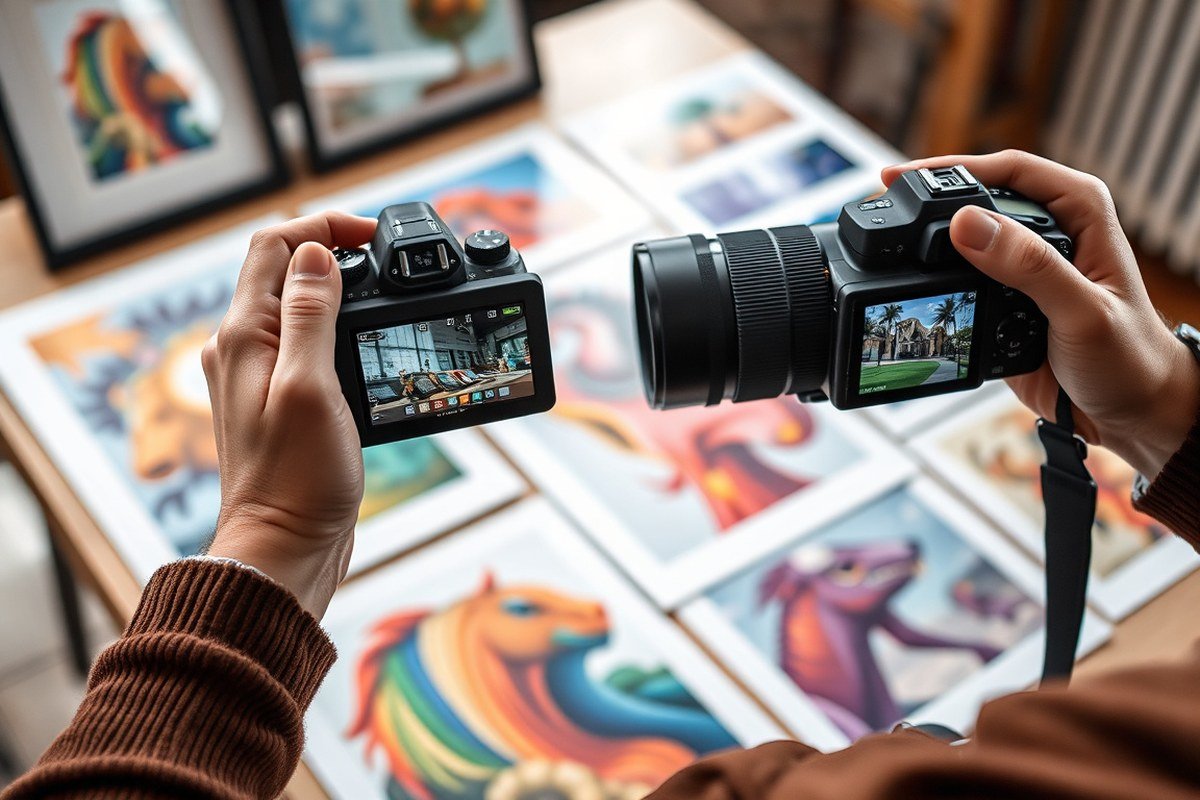
Creating compelling art listings starts with showcasing high-quality images. Use at least 4 to 7 photos to highlight your artwork from multiple angles, including close-ups of texture, the full piece on a wall, and details of any framing. Clear, well-lit pictures on a neutral background help buyers visualize the piece better and reduce doubts.
Your product description should include exact artwork dimensions (height, width, depth), type (painting, print, sculpture), materials (acrylic, canvas, paper), and the style or genre. Mention framing if included or available separately. Explain the inspiration or story behind the artwork briefly to connect emotionally with buyers. An accurate, detailed description increases buyer trust and reduces returns.
Effective keyword use improves your artwork’s visibility on Amazon. Incorporate relevant keywords naturally throughout titles, descriptions, and backend search terms. Reference specifics like “modern abstract canvas painting,” “floral wall art print 16×20 inches,” or “limited edition signed art poster.” Avoid keyword stuffing which can hurt your listing’s ranking. Use tools like Amazon’s search bar suggestions to identify popular phrases your target customers use.
- Use 4, 7 high-resolution images including full view and close-ups
- Include detailed product information: size, type, material, framing
- Write a brief, engaging story or description about the art piece
- Incorporate relevant keywords naturally in the title and description
- Avoid vague or overly promotional language that confuses buyers
- Check for correct category and product attributes on Amazon
Common listing mistakes include undervaluing image quality, providing vague descriptions, ignoring keywords, or miscategorizing your art. These errors lower your search ranking and buyer confidence. Maintain up-to-date listings as your inventory or pricing changes. Clear, keyword-rich listings with great images attract more views and convert better, making your art easier to discover and buy on Amazon.
Pricing Your Art on Amazon: Factoring Fees, Shipping, and Profit

Amazon charges a 15% referral fee on the total sale price of artwork, with no monthly seller fees. This means, for every sale, you need to subtract 15% of the selling price as Amazon’s commission. Additional costs include packaging materials and shipping or courier fees that you pay to get the artwork safely to the buyer. If you use Amazon’s fulfillment services, storage and return processing fees also apply. To avoid losing money, your price must cover all these expenses plus your production costs and desired profit margin.
For example, say your artwork costs $20 to create, including materials and your time. Packaging and shipping add $8 per order. Amazon’s 15% fee applies to the selling price, which is an unknown we’ll call P. You want to make at least $20 profit per sale. The equation is: P – (0.15 × P) – $20 (cost) – $8 (shipping) = $20 (profit) Which simplifies to: 0.85P = $48 → P = $48 ÷ 0.85 ≈ $56.50
You should price your artwork at about $56.50 to cover costs and earn $20 profit. Pricing lower risks losing money after fees and shipping. Pricing too high might reduce buyer interest.
Recent changes in Amazon’s fees, such as cancellation fees or adjusted referral percentages in some countries, can affect this balance. Keep an eye on current fee schedules to update your pricing accordingly. Using a simple spreadsheet template with columns for production cost, shipping cost, Amazon fees, and profit goal helps maintain accurate pricing as fees or costs fluctuate.
Choosing and Managing Fulfillment and Shipping Options for Art
Fulfillment by Amazon (FBA) suits artists who sell ready-made paintings, prints, or small to medium-sized artworks that can be stored safely at an Amazon fulfillment center. Amazon handles storage, packing, shipping, returns, and customer service, which saves you time and helps qualify for Prime. However, FBA comes with fees, including storage fees based on volume and days stored, referral fees around 15% of the sale price, and fulfillment fees charged per unit typically $3 to $5 or more depending on size and weight. These costs can add up, especially for heavy or bulky pieces like framed canvas art.
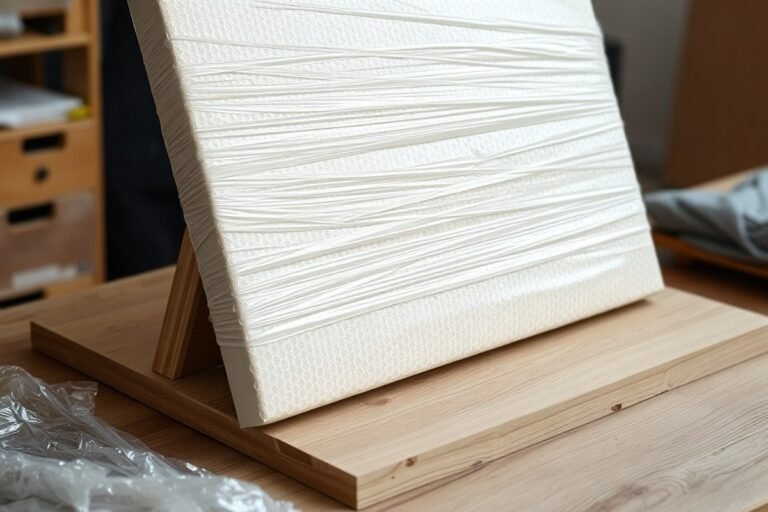
Fulfillment by Merchant (FBM), or self-fulfillment, allows you to pack and ship art items directly to buyers. This option typically lowers per-sale fees since you avoid FBA’s storage and fulfillment charges. You control packaging quality and shipping speed, essential for protecting fragile or high-value art. Proper packaging includes acid-free paper, cushioning with bubble wrap or foam, sturdy cardboard or wood-reinforced boxes, moisture barriers, and secure sealing. Keeping art flat or rolled carefully based on piece type prevents damage. FBM requires managing shipping timelines and tracking to avoid cancellation or late shipment penalties, which Amazon enforces strictly, you must ship within 1-2 business days after purchase.
Print-on-Demand (POD)
Comparing costs and benefits: FBA simplifies logistics but has higher fees and risks storage costs if inventory lingers. FBM demands more effort in fulfillment but reduces fees and lets you tailor packaging. POD reduces inventory hassle but often yields smaller margins and less control. For example, an original painting priced at $500 might lose more margin to FBA fees versus FBM, but FBM requires diligent handling of safe packaging and timely shipping. Artists selling multiple, smaller prints may find FBA convenient for volume sales, while high-value single pieces lean better toward FBM due to packaging care and cost control.
Packaging checklist: use acid-free backing and tissue to protect surfaces, wrap artwork in bubble wrap or foam sheets, secure corners with extra padding, select rigid shipping boxes sized to avoid movement, add moisture barrier like plastic sheeting, and label with “Fragile” stickers. Confirm carriers’ handling recommendations for art shipments to reduce damage risk.
Marketing Your Art on Amazon to Reach More Buyers
Using Amazon Ads is a direct way to improve your art listings to more potential buyers. Start by selecting your campaign goal, such as “Product Awareness” or “Sales,” then target keywords or competitor products related to your art style. A daily budget of $5 to $20 is a reasonable start for tested ads. Monitor metrics like click-through and conversion rates to adjust bids and keywords, aiming for consistent sales growth without overspending. Amazon Ads works best when paired with well-crafted listings that highlight your art’s unique story.
Social media platforms like Facebook, Pinterest, and TikTok are excellent choices for promoting your art. Facebook groups for art lovers allow targeted sharing and engagement. Pinterest’s visual search helps your art reach users actively looking for creative inspiration. TikTok’s short videos let you show your creation process or finished pieces dynamically, drawing younger or trend-focused audiences.
- Post on Facebook and Pinterest three times a week, focusing on high-quality images of your artwork.
- Create TikTok videos 1-2 times weekly showing your painting or sculpting process.
- Share the story behind each piece, explaining the inspiration and technique.
- Link posts directly to your Amazon listings to funnel traffic.
- Use consistent hashtags like #AmazonArt, #HandmadeArt, and your art style.
- Engage with followers by responding to comments within 24 hours.
Content marketing through storytelling boosts connection and buying interest. Describe the inspiration behind your work, challenges you overcame, or what the art means to you. You could write short blog posts or captions that invite your audience into your creative world, making your Amazon listings more memorable. Combine this approach with your ad campaigns and social posts to create a unified marketing strategy that reaches art buyers across multiple touchpoints.
Optimizing Your Amazon Art Business for Growth and Profitability
Tracking your art sales on Amazon means monitoring your sales reports, customer reviews, and keyword performance every month to identify what’s driving purchases and what isn’t. Use Amazon Seller Central’s business reports to check units sold, revenue, and conversion rates. Compare these with advertising data and search term reports to spot top-performing listings. This helps you decide which artworks to promote or update. Good results include steady sales growth, positive reviews, and higher search rankings. Common pitfalls include ignoring low-performing listings or failing to respond promptly to customer feedback, which can hurt your seller rating and discourage buyers.
Analyzing and adjusting your listings involves regularly reviewing your product titles, descriptions, and images to improve relevance and performance, two key factors in Amazon SEO. Try testing slight tweaks in keywords or pricing to make your listings more competitive. For example, lowering a price incrementally or adding keywords reflecting different art styles can increase visibility. Avoid frequent drastic changes, which can confuse the algorithm and customers. A monthly checklist could include updating descriptions, reviewing customer questions, and checking competitor pricing.
Scaling your art business on Amazon starts when your current product range sells consistently and customer feedback is positive. Expanding means adding new artworks or related products, such as prints or art supplies, to attract a broader audience. Upgrading your seller plan might be necessary when monthly sales exceed limits on individual accounts, which allows access to better tools and reduced fees. Consider international markets next, building a global customer base to increase your reach and diversify income streams.
Managing customer service well is essential to build a good reputation and encourage repeat business. Respond to questions within 24 hours and address any complaints professionally. Use a polite script like, “Thank you for your feedback. I’m sorry for the inconvenience and would like to resolve this promptly.” Encouraging buyers to leave honest reviews by including a simple note with your shipment can improve your profile and rank. Ignoring reviews or slow responses can stall growth and reduce sales.
Your First 30 Days: A Quick-Start Plan to Sell Art on Amazon
Follow this plan to launch your Amazon art store quickly and start attracting buyers. Track your progress by checking your account status and sales activity.
- Day 1: Set up your Amazon Seller account and choose the Individual or Professional plan based on your expected sales volume. Confirm that your account is active and verified.
- Day 3: Prepare clear, high-quality images and write compelling descriptions for at least five pieces of your art. Publish these listings and check that they appear correctly in your Seller Central dashboard.
- Week 1: Calculate prices factoring in Amazon fees and shipping costs to ensure profitability. Adjust listings if your pricing calculator shows negative margins.
- Week 2: Choose your fulfillment method (Fulfillment by Amazon or self-fulfillment) and set up shipping options with accurate delivery estimates. Confirm that shipping labels or shipments are processed without issues.
- Week 3: Launch targeted marketing campaigns using Amazon Advertising or social media promotions. Measure performance by monitoring click-through rates and sales increases.
- Week 4: Analyze sales data and customer feedback to identify your best sellers and areas to improve. Modify your listings or marketing based on insights to boost traffic and conversions.
Frequently Asked Questions
What Is the Pre-Approval Process for Selling Art on Amazon?
To sell art on Amazon, you must pass a pre-approval process that reviews your account and artwork quality. This ensures art sellers meet Amazon’s standards for authenticity and originality before listing items.
Can I Use Amazon’s Print on Demand to Sell My Art?
Yes, Amazon’s Print On Demand service lets you sell digital art prints without inventory. It prints and ships artwork as orders come in, reducing upfront costs and risk.
Are Original Paintings Allowed on Amazon, or Only Prints?
Amazon allows both original paintings and art prints if they meet seller requirements. Originals can help you stand out, but managing shipping and pricing is important.
How Many Art Pieces Can I List on Amazon?
You can upload up to 40 art listings on Amazon if approved as an art seller. This limit means you must choose your best pieces to maximize exposure.
Does Selling Art on Amazon Require a Professional Seller Account?
Yes, a Professional seller account is required, costing $39.99 monthly. It allows greater selling tools and access to the Amazon Art platform.
Final Thoughts
Selling art on Amazon can expand your reach to a broad audience and generate consistent income when managed correctly. Start by focusing on reliable listings and fair pricing to build positive reviews. Your next step should be to create your first listings today with attention to detail in images and descriptions.