
What Can You Do with an Art History Degree? A Complete Career Guide
An art history degree opens up diverse career paths including museum curator, art appraiser, archivist, educator, and opportunities within technology-focused cultural organizations. Many entry points require a bachelor’s degree combined with practical experience that improve job prospects. The best way to launch your career is by building practical skills through internships or cataloguer positions, which often pay $40,000 to $50,000 entry-level and provide valuable experience.
Key Takeaways
- Teaching art history at K-12 or college levels is a direct pathway using your degree.
- Museum curators and archivists have projected steady job growth of 5.6% through 2034.
- Entry-level cataloguer roles typically require a bachelor’s degree and start around $40,000 to $50,000 annually.
- Art appraisers earn a median salary near $60,000, reflecting strong demand for valuation expertise.
- Technology skills like digital archiving and communication are increasingly important for modern art historians.
- Salary ranges vary widely, from $35,000 up to more than $150,000 depending on career choice.
Realistic Career Paths with an Art History Degree
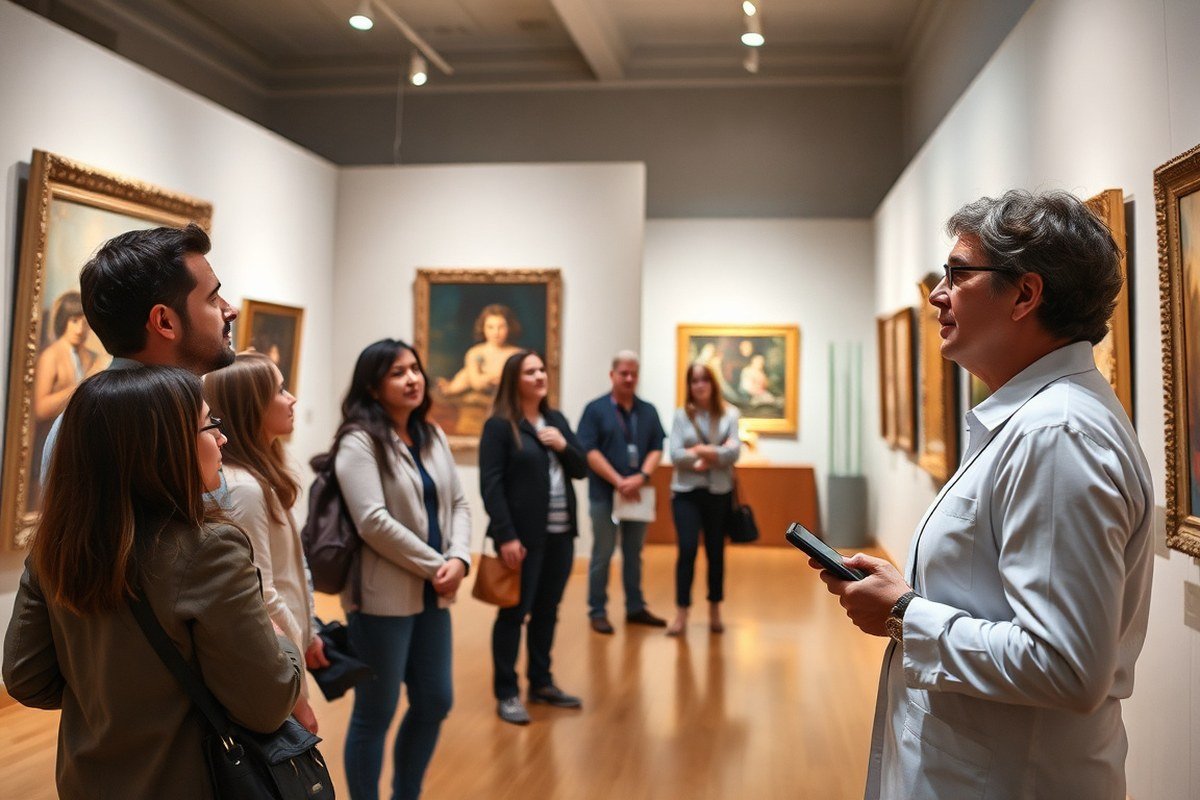
An art history degree opens doors to a range of career paths, from traditional roles in museums to emerging positions in technology and consulting. Entry-level jobs often require a bachelor’s degree, while advanced roles, especially curator or conservator positions, usually need a master’s or doctorate. Salaries vary widely, with median earnings around $57,100 for museum curators and conservators, according to the Bureau of Labor Statistics. More specialized or leadership roles like gallery directors or brand strategists can earn $100,000 or more annually.
Choosing the right level of education depends on your career goals. An associate’s degree allows you to enter certain arts administration or gallery assistant roles, typically with salaries closer to $45,000. A bachelor’s degree broadens prospects into education, museum work, and entry-level curatorial roles. Advanced degrees are necessary for many curatorial and academic jobs, which offer higher salaries and more growth opportunities but require additional years and investment in graduate study.
Alternatives beyond museums include UX research, digital interface design, and cultural consulting, where art history graduates use their analytical and communication skills. Salaries in tech-related roles often reach $90,000 to $100,000, reflecting demand for interdisciplinary expertise. Building experience through internships or volunteering is critical since competition is strong and practical skills matter as much as degrees.
| Career Path | Educational Requirement | Median Salary | Job Outlook (2024, 2034) |
|---|---|---|---|
| Museum Curator | Master’s or Doctorate | $57,100 | 6% |
| Gallery Director | Bachelor’s + Experience | $111,040 | 4% |
| Art Conservator | Master’s | $57,100 | 6% |
| UX Researcher | Bachelor’s + Tech Skills | $98,090 | 7% |
| Brand Strategist / Creative Director | Bachelor’s + Experience | $111,040 | 4% |
| Art Appraiser | Master’s or Certification | $60,000, $85,000 | Steady |
Planning your education and work experience carefully can increase salary potential. For example, pairing your art history degree with law offers paths in cultural heritage law and museum governance. Engaging early with internships or volunteer positions helps build the practical skills employers seek. Avoid assuming a bachelor’s degree alone guarantees curatorial work since graduate study is often expected. Each job requires different combinations of experience, education, and networking, so aligning your plan to a specific career path improves outcomes.
Key Skills Gained from Art History Degrees and Their Value
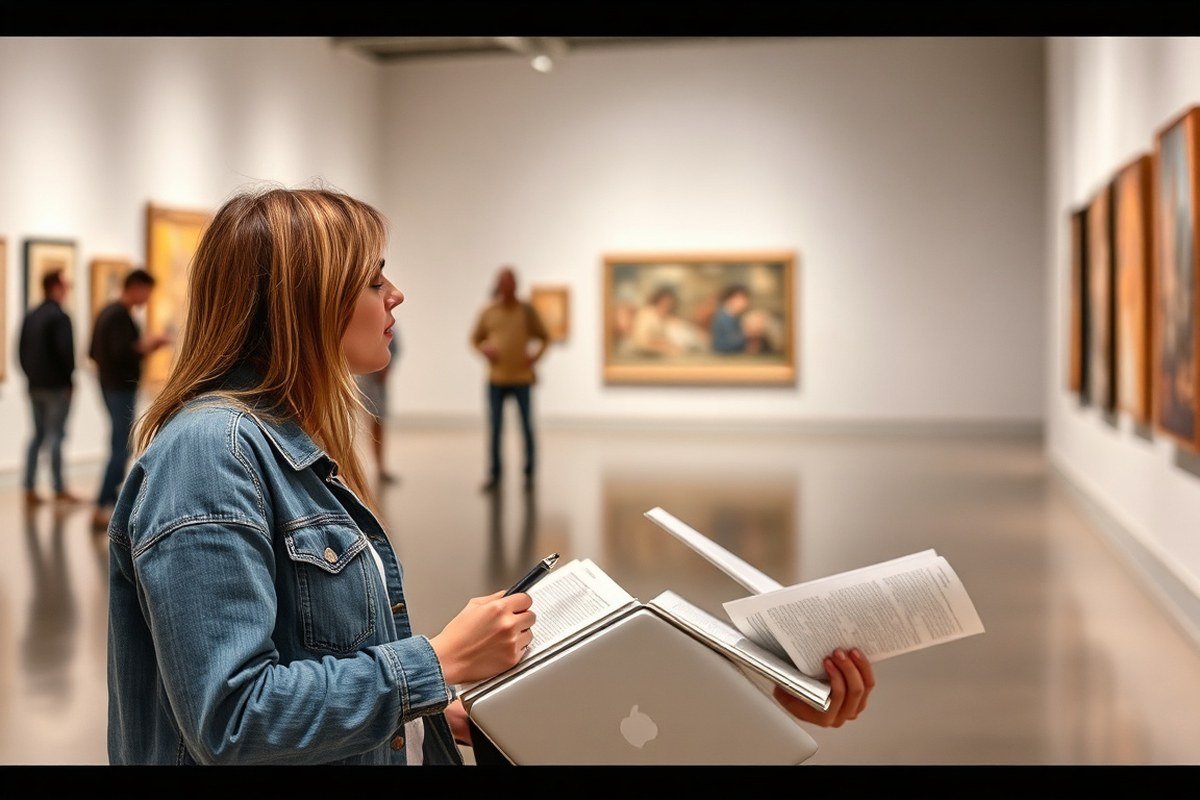
An art history degree equips you with a blend of academic and transferable skills that employers in many fields seek. You’ll develop strong visual analysis abilities, learning to interpret artwork and cultural artifacts closely, which sharpens your attention to detail. Your research skills grow through extensive work with primary sources and scholarly debates, crafting well-supported arguments in long research papers. These experiences build critical thinking and evidence-based writing capabilities valuable in roles that require careful examination and clear communication.
Communication is another core strength. Writing essays, catalog entries, and exhibition proposals hones persuasive writing and editing skills. You also practice presenting complex ideas clearly to varied audiences, boosting your oral communication. These skills apply beyond museums or galleries; for example, they’re essential in marketing, content strategy, or UX research, where explaining concepts simply and convincingly matters.
Digital literacy has become increasingly important in art history careers. You will often engage with digital humanities projects, learning to use databases, digital archives, and presentation software. Combining this with cultural literacy and interpretation skills makes you a fit for roles in digital collections and cultural consulting. To showcase these skills on a resume or in interviews, highlight specific projects like research papers or digital exhibits, using action verbs such as “analyzed,” “crafted,” or “presented.” Provide context: explain how your research informed a project or shaped a public talk, emphasizing outcomes like engagement or clarity.
Employers value how your degree trains you to synthesize complex information and communicate it well. To frame your skills for non-art jobs, focus on your ability to manage detailed research, create compelling written and oral presentations, and engage diverse audiences. Craft your resume bullet points to reflect problem-solving, communication, and analytical successes. During interviews, share concise stories about your academic projects demonstrating these skills in action. Doing so helps translate your art history training into a strong asset in many professional environments.
Step-by-Step Timeline to Launch an Art History Career

Launching a career in art history typically takes several years, starting with your undergraduate studies and possibly continuing through graduate education. Most entry-level roles require at least a bachelor’s degree, with curatorial or archival positions often needing a master’s. Graduate degrees improve your competitiveness but must be paired with Hands-on experience.
Your academic timeline should integrate both coursework and practical experience. After fulfilling general education requirements, focus on key art history subjects like museum studies and visual culture. Simultaneously, build your portfolio through internships, volunteering, and research projects, which strongly improve job prospects.
- Complete foundational art history courses and decide on your specialization area by year 2 or 3.
- Secure summer internships or remote Externships starting as early as sophomore year.
- Volunteer at galleries or museums during semesters to gain on-site experience.
- Create writing samples or digital cataloging projects to demonstrate applied skills.
- Network with faculty, museum professionals, and alumni by attending events and joining relevant associations.
- Apply for graduate programs if targeting advanced curatorial or academic roles after your bachelor’s.
- Seek entry-level positions with your combined academic and practical experience around graduation.
Early internships and volunteer work are critical in demonstrating your reliability and capability in real-world settings. They often lead directly to job offers or valuable contacts who can provide referrals. Maintaining ongoing relationships in professional circles can open doors to exhibitions, research collaborations, and specialized roles, facilitating steady career advancement.
Expanding Opportunities: Non-Traditional Careers for Art Historians
Alternative career options for art history graduates extend well beyond traditional roles in museums and galleries. Your skills translate to marketing, art law, tech consulting, auction houses, and increasingly data-driven roles. To make a successful pivot, consider decision factors like your interest in client interaction versus research, comfort with technology, and willingness to pursue additional qualifications.
Marketing and brand strategy roles benefit from your ability to interpret visual culture and communicate complex ideas clearly. Gaining certifications in digital marketing or analytics through programs such as Google Analytics or HubSpot Academy, typically costing $0 to $400, can strengthen your profile. In art law, a paralegal certificate or law degree is usually required, often taking 1-3 years and $5,000 to $40,000, depending on the program.
Tech consulting and UX research use your research skills and cultural insight to improve user experience with digital products. Transitioning successfully involves learning coding basics or user experience principles via bootcamps or online courses costing $1,000 to $15,000 and lasting from several weeks to months. Auction houses and art sales roles often require deep knowledge of provenance and cataloguing, where experience in galleries combined with targeted workshops or internships contributes to advancement.
Comparison of alternative fields shows marketing and consulting often have annual salaries ranging from $50,000 to $90,000, comparable to art law roles where salaries start near $60,000. Auction house roles may begin lower around $40,000 but can grow with experience. Certification programs and practical experience reduce the risk of unsuccessful transitions by ensuring relevant skills. Avoid rushing into fields without confirming the exact credential requirements, as this might lead to longer job searches or underemployment. Art history graduates can strongly position themselves in these fields by combining core skills in visual analysis and communication with business, legal, or technical knowledge.
How Technology Is Shaping Art History Jobs Today
Digital tools are reshaping art history careers by expanding how professionals preserve, analyze, and share cultural artifacts. Museums increasingly use digital archives and metadata systems to catalogue collections more efficiently, allowing art historians to improve public access and research capabilities. Virtual exhibits and augmented reality experiences create interactive ways for audiences to engage with art, broadening visitor reach beyond physical boundaries. These innovations require art historians to learn cataloging software, digital imaging techniques, and basic coding skills.
Artificial intelligence and data science improve research and museum work by automating tasks like image recognition, provenance analysis, and predictive analytics for conservation efforts. AI tools can identify patterns in large datasets of artworks that would take humans much longer to uncover. For example, machine learning algorithms analyze stylistic features to assist in authenticating art pieces. Data science skills, such as handling databases and applying statistical analysis, support these functions. Pursuing coursework or certificates in data science can complement your art history expertise, especially if you aim to join digital humanities projects or museum technology roles.
Developing tech skills alongside art history knowledge makes you more competitive for emerging roles. Entry-level jobs in digital project management or archival support may be open to those with a bachelor’s degree improve by proficiency in relevant software like digital asset management systems, GIS mapping, or XML metadata standards. A master’s degree in library science with an archival focus remains a strong route for specialized digital preservation careers, often costing $10,000 to $30,000 per year depending on the institution. For hands-on experience, seek internships with campus museums or volunteer in gallery tech support to build a portfolio showcasing your ability to integrate technology with cultural interpretation. Expect challenges like steep learning curves for programming and the need to stay updated with rapidly evolving digital tools.
Your First 30 Days: A Quick-Start Plan
Get your art history career off the ground by taking focused steps to build experience, network, and clarify your goals. Follow this plan to make steady progress within your first month.
- Day 1: Identify your career interests by listing the fields in art history that appeal most, such as museum work, academic research, or cultural management. You’ll know you succeeded if you have a clear shortlist of two or three areas.
- Week 1: Research potential internship or volunteer opportunities in your chosen areas via local museums, galleries, or historical societies. Success means you’ve found at least two places offering relevant roles and understand their requirements.
- Week 2: Reach out to professionals in your network or on LinkedIn who work in art history careers. Send polite messages asking for informational interviews. This works when you receive replies and schedule at least one conversation.
- Week 3: Update your resume and portfolio to highlight your art history projects, research, or related skills. Ask a mentor or career advisor to review them; effective when you get constructive feedback and feel more confident about your application materials.
- Week 4: Apply to at least two internships, part-time roles, or project collaborations that fit your interests and skills. You’ll know it worked when you hear back with interviews or requests for more information.
- Ongoing: Begin building digital skills relevant to art history careers, such as familiarizing yourself with online databases, digital archives, or basic graphic design for exhibits. Track your progress by setting weekly learning goals.
- By Day 30: Reflect on what you’ve learned and adjust your plan if needed. You have a clearer sense of your fit within art history careers and a growing professional network to support your next steps.
Frequently Asked Questions
What Teaching Opportunities Exist for Art History Graduates?
Teaching art history is a common path for graduates, available at K-12 and college levels. Many roles require certification, but this can be a direct way to apply your degree while sharing your knowledge with students.
Can You Work in Art Auction Houses with an Art History Degree?
Yes, art history graduates can work in auction houses focusing on appraising and authenticating art pieces. Knowledge of art periods and provenance helps with accurate valuations.
Is Publishing a Viable Career for Art History Majors?
Publishing related to art history is a good option, especially in editing or writing for art magazines and catalogs. Strong research and writing skills support these roles.
How Important Is a Graduate Degree for a Curator Position?
A master’s or doctorate degree is usually needed for curatorial roles, which are among higher-paying art history careers. Graduate study deepens expertise needed for managing collections.
Can an Art History Degree Help in Art Restoration or Conservation?
Yes, it can, especially when paired with technical training in restoration. Understanding an artwork’s context guides appropriate conservation methods.
The Bottom Line
Choosing an art history degree opens doors to many practical career options when you actively pursue relevant experience and build professional connections. Start by focusing your efforts on the areas that most interest you and move forward with targeted actions. Your next step could be scheduling an informational interview to gain insider insights and create opportunities.