What Is a Full Art Pokémon Card? A Complete Guide for Collectors
What is a full art Pokémon card? It is a trading card featuring artwork that covers the entire front, not just a window or frame around the Pokémon image. These cards showcase detailed, vibrant illustrations and often highlight special characters or rare variants from the Pokémon TCG sets. Your first step to understanding full art cards is to recognize their visual style, the artwork stretches across the whole card, giving it a unique look compared to standard cards.
Key Takeaways
- Full art Pokémon cards have artwork covering the entire card front, unlike standard cards.
- Full art cards usually appear as rare or special variants within Pokémon TCG sets.
- They can vary greatly in value, from under $10 to thousands depending on rarity and demand.
- Grading by PSA, CGC, or BGS can increase a full art card’s value by 200, 400%.
- Full art cards differ from alternate arts and secret rares through their distinct, complete artwork coverage.
- Some full art Pokémon are highly collectible due to limited print runs and popularity within sets.
What Is a Full Art Pokémon Card?

A full art Pokémon card is a special type of card in the Pokémon Trading Card Game where the artwork covers almost the entire front of the card. Unlike standard cards, which feature the Pokémon illustration in a small box framed by text and borders, full art cards extend the illustration so it stretches edge to edge. This design creates a more immersive visual by eliminating the typical white or black borders around the picture.
The artwork on full art cards includes not only the Pokémon itself but also the background, styled effects, and often subtle textures or details that blend into the card’s surface. For example, a full art Pokémon V or VMAX card will display the character at a larger scale with dynamic positioning, detailed shading, and unique backgrounds that fill the entire card face. The card’s energy type, attack information, and other text elements are integrated smooth into or around the artwork, rather than occupying separate boxed areas.
This design change gives the card a premium feel, making it visually stand out when you compare it to regular cards. Full art cards are produced selectively, usually highlighting popular Pokémon or special Pokémon trainers, often found in limited sets or promo collections. Collectors value these cards for their artistic presentation and rarity. Typically, you can find full art cards in packs or special boxes labeled as premium collections, where a guaranteed full art promo card is included.
The full front coverage means you rarely see the traditional thin borders or boxed illustrations seen on normal cards. Instead, the card’s name, hit points, and other game mechanics are presented in a way that complements the full image. This makes the card look more like an art collectible than just a game piece. While full art cards generally carry a higher price due to their aesthetic appeal and scarcity, their actual value depends heavily on which Pokémon is featured, the card’s edition, and its condition.
How Full Art Cards Differ from Alternate and Secret Rares
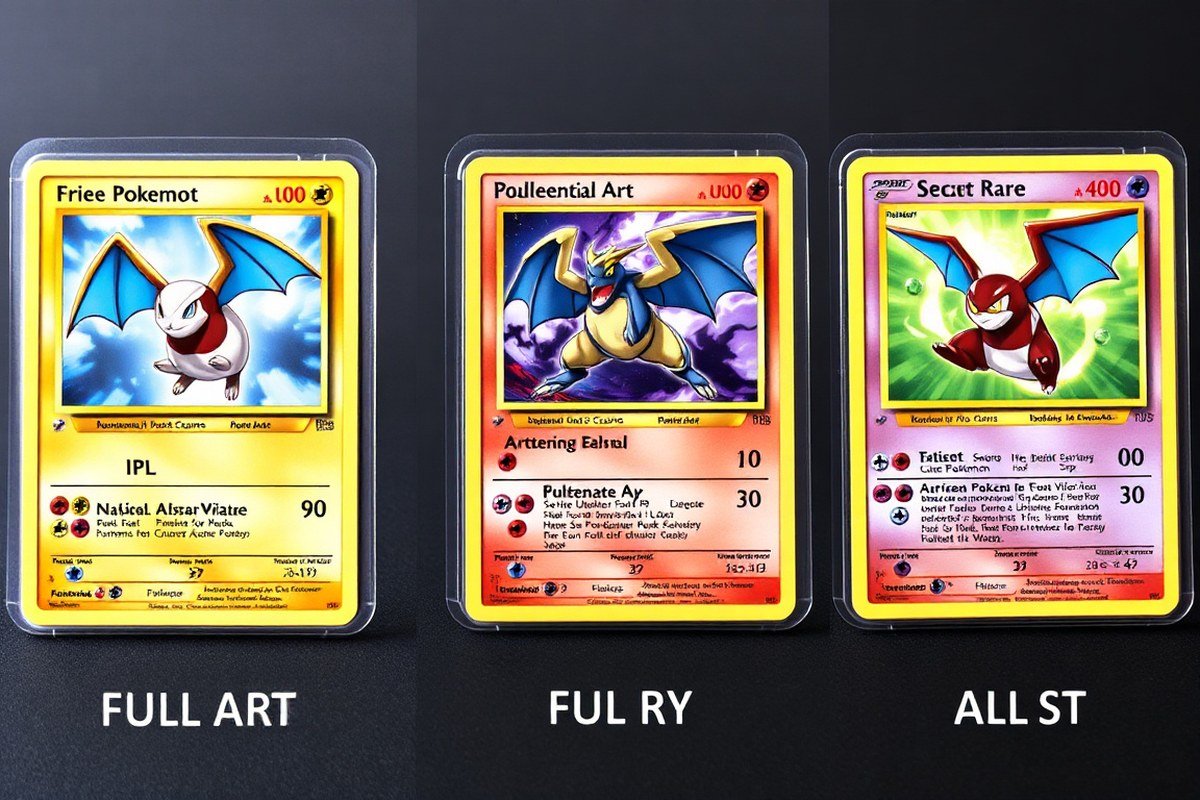
Full art cards feature artwork that covers the entire face of the card, including the background, making the image more striking and immersive. Alternate art cards also boast unique artwork, but these typically focus on different poses or scenes within the usual card frame, so the illustration doesn’t necessarily fill the whole card. Secret rares are cards that have a set number beyond the official count, often including special full art variations like rainbow rares and gold secret rares. Trainer full arts differ from Pokémon full arts by featuring Trainer characters with full card illustrations instead of Pokémon, and they are often just as desirable and rare, with some becoming high-value chase cards.
| Card Type | Art Coverage | Numbering | Rarity Indicators | Example |
|---|---|---|---|---|
| Full Art Pokémon | Illustration covers entire card front | Within set count | Ultra Rare, V, VMAX, GX | Zekrom #114/114 (Black & White) |
| Alternate Art (Alt Art) | Unique pose or scene, usually framed | Within set count | Often Ultra Rare or Promo | Alternate art Charizard |
| Secret Rare | Varies, often full art or special foil | Numbered above set total | Rainbow Rare, Gold Secret Rare | Rainbow Full Art Tapu Lele GX |
| Trainer Full Art | Full card art featuring Trainer instead of Pokémon | Within set count or Secret Rare numbering | Highly collectible, chase rare | Trainer Gallery Full Art Example |
Each card’s numbering and rarity classification influences its value, and Secret Rares often overlap with full art cards but hold a unique status due to their numbering above the standard set total. Trainer full arts gained prominence starting with the Sword & Shield era and now stand alongside Pokémon full arts in terms of collectibility. While the terms full art and alternate art sometimes get confused, paying attention to how the illustration covers the card and checking the set’s list are the best ways to distinguish these types correctly.
The History and Evolution of Full Art Cards in Pokémon TCG

Full art Pokémon cards first appeared in 2011 during the Black and White expansion. The initial English full art cards featured legendary Pokémon Reshiram and Zekrom in special editions. Unlike standard cards with framed designs, these versions displayed artwork spanning the whole card, focusing on the characters with no borders. These early cards started as promotional items and special editions before full art became a regular and popular element in major Pokémon TCG sets.
The design of full art cards evolved significantly across different Pokémon TCG eras. During the Black & White era, full arts mainly featured powerful legendary Pokémon with artwork filling the card’s front, but the effects and details remained straightforward. From 2012’s Next Destinies through the Sun & Moon sets, each expansion typically included full art versions of EX or GX Pokémon near the back of the set. These cards introduced more dynamic poses and began experimenting with holofoil techniques and textured finishes that improve the cards’ visual appeal.
The Sun & Moon era expanded on this with GX full arts that sometimes highlighted both the Pokémon and characters from the series. Modern holo techniques made these cards stand out more in collections, often driving higher demand among collectors. Moving into Sword & Shield and the current Scarlet & Violet era, full art cards became even more abundant and creative in design. For example, the Scarlet & Violet 151 set features unique full art cards like a Japanese Blastoise, illustrating how full art has diversified beyond legendaries to include fan favorites.
Notable shifts include the introduction of Pokémon Illustration Rare cards in 2023’s Scarlet and Violet series, which offer a new style and rarity level. Over 119 full art Pokémon cards appear across recent sets like Paldean Fates, Paradox Rift, and Obsidian Flames, showing the widespread use and evolution of full art cards. These changes reflect the ongoing effort to keep collectors engaged by blending detailed, vibrant illustrations with varying rarity tiers and print runs.
How to Identify a True Full Art Pokémon Card
To verify a card as a genuine Full art Pokémon card, start by examining the artwork. Full art cards cover nearly the entire front surface, unlike alternate arts where the image is framed or bordered by a typical card layout. The illustration should extend to the edges, including behind the card text boxes and HP area. Look for a smooth transition without clear borders separating artwork from the text.
Check the card number and set symbol in the bottom corners. Full art cards have numbering that aligns with their specific set’s full art series, often distinct from standard or secret rare cards. For example, many Next Destinies sets assign full art numbers matching the Pokémon EX lineup but with the full art variant code. Verify the numbering against trusted databases or recent sold listings.
- Artwork extends edge-to-edge with no visible framing
- Card text and HP boxes overlay the artwork smoothly without hard edges
- Set number matches the known full art sequence for that expansion
- Holo pattern features a textured or glossy finish unique to full arts, differing from flat or foil-only patterns on other versions
- Borders are consistent with Pokémon TCG standards, not thicker or uneven as in fakes
- Texture under light shows a sparkle or wave holo pattern distinct from standard foils
- Compare card thickness and flexibility to known originals, as fakes often use lower quality stock
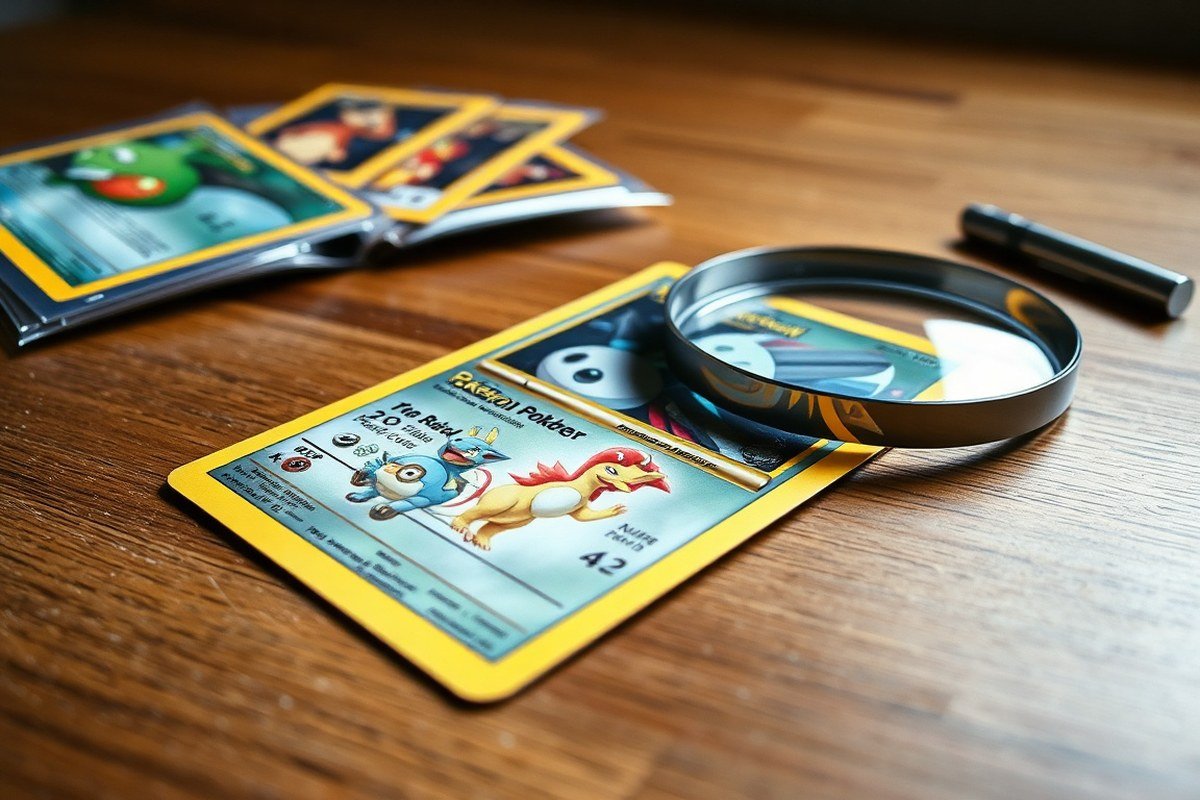
Spotting fakes involves noting inconsistencies in holo effect, artwork blurring, or font errors in card text. Fake full arts sometimes present artwork that is too sharp or overly vibrant, differing from the official printing’s subtle gradients. The texture should not feel plastic-y or paper-thin. Use a magnifying glass to inspect tiny text and copyright symbols for accuracy.
Verifying a full art card costs no more than time and access to reliable online price guides or databases. Authentic full arts offer collectors a desirable visual appeal and potential value, but improper identification risks overpaying or acquiring less valuable alternate arts or reproductions.
Rarity, Print Runs, and How Often Full Art Cards Appear
Full art Pokémon cards are quite rare, typically appearing at a rate of 2 to 4 cards in a booster box containing 36 packs. This limited appearance strikes a balance, making full art cards feel special without being the hardest cards to find. For instance, a standard booster box may yield around three full art cards, making each pull a notable event for collectors and players alike.
Typical print runs treat full arts as Ultra Rares or higher, meaning they are always a small fraction of the total cards in the set. Sets often include between 10 and 20 full art cards, varying by expansion. Cards like the full art Marnie from the Marnie Premium Tournament Collection are a special case, with premium boxes containing a guaranteed full art card alongside a few booster packs that may contain more.
Full art cards are variants of standard Pokémon cards but with artwork spanning the entire card face, eliminating the traditional text box. This design started in 2011 and became part of regular print runs as collectors demanded visually distinct cards. The rarity symbol on the card’s bottom right corner helps identify them as Ultra Rares or Secret Rares, with secret rares often including the rarest full arts featuring collector numbers exceeding the set total, such as 200/165.
Because full art cards share booster boxes with other card types, the odds of pulling specific full arts depend on both the total number of full arts in the set and the pack distribution. Some expansions have more full art options, which slightly lowers the chance of pulling any one card but provides variety. Collectors seeking particular full arts often turn to secondary markets, as opening enough packs to find a specific full art can be costly.
What Determines the Value of Full Art Pokémon Cards?
The value of full art Pokémon cards hinges on several key factors that combine to make some cards worth thousands while others remain modest in price. Condition ranks highly among these factors; cards graded by PSA or Beckett with near-perfect ratings (such as a PSA 10) can multiply a card’s value by 10x or more compared to raw, ungraded copies. For example, a full art Sylveon EX in raw condition might sell around $312, but a PSA 10 version could command over $3,000 depending on demand.
Rarity plays a important role as well. Cards from limited print runs, secret rares, or special promotional sets tend to be more valuable. However, rarity alone doesn’t guarantee high prices. Demand among collectors often drives price higher for popular sets or Pokémon characters. A Charizard full art card generally holds more value than less iconic Pokémon, even if the latter is equally rare, because Charizard has a larger fanbase willing to pay premium prices.
Grading impacts price by certifying the card’s condition, corners, surface, and centering. A card graded PSA 9 often sees a 2 to 5 times price increase over raw condition, whereas PSA 10 may reach 5 to 10 times higher. Grading costs range from $10 to $50+ per card depending on turnaround speed, so factor that into potential returns. Cards with signs of wear or misprints may not benefit much from grading.
Set popularity affects value through collector interest, which fluctuates over time. Watching live market trends on platforms like eBay or TCGPlayer helps you track price changes for specific full art cards. Tracking recent sales and auction results reveals which Pokémon are rising in value and which sets are gaining traction. This monitoring guides decisions about when to buy or sell.
Choosing cards featuring iconic Pokémon and aiming for the best condition possible boosts your chances of holding valuable full art cards. Rarity combined with high demand and excellent grading creates the strongest price multipliers.
Top Full Art Pokémon Cards by Rarity and Value
Some of the most valuable Full art Pokémon cards come from limited print runs or feature popular Pokémon that collectors actively seek. Cards from sets like Shining Fates, Hidden Fates, and the early Sun & Moon series tend to hold high value. Secret rare full arts usually command higher prices due to their scarcity, but this is not a strict rule, some regular full arts also gain value depending on the Pokémon’s popularity and condition.
| Card Name | Set Origin | Rarity | Approximate Value (USD) |
|---|---|---|---|
| Charizard VMAX (Rainbow Rare) | Darkness Ablaze | Secret Rare | $300 – $800 |
| Shiny Charizard GX | Hidden Fates | Full Art | $600 – $1500+ |
| Mewtwo & Mew GX | Unbroken Bonds | Full Art Tag Team | $250 – $600 |
| Rayquaza VMAX (Rainbow Rare) | Shining Fates | Secret Rare | $200 – $500 |
| Gardevoir GX (Full Art) | Sun & Moon Base Set | Full Art | $100 – $300 |
Exact values vary depending on card condition, grading, and current market trends. Prices peak with mint-condition cards graded by professional services like PSA or Beckett. Rarity alone does not guarantee value; demand for the featured Pokémon plays a big role. Secret rare full arts often sell for more because they are printed in smaller quantities, but an iconic card with strong fan appeal can be worth more even if it is not secret rare. Focusing on cards from popular sets and Pokémon increases chances of acquiring valuable pieces.
Best Practices for Collecting, Storing, and Displaying Full Art Cards
Storing full art Pokémon cards properly prevents damage and helps maintain the bright colors and textures that make these cards special. Use Penny sleeves made from acid-free, non-PVC plastic as your first layer of protection. Then place the sleeved card inside a Top loader rigid plastic case to avoid bending and corner dents. For long-term storage, keep cards in a cool, dry place between 65°F and 75°F with low humidity, away from direct sunlight to prevent fading.
Display options that highlight full arts well include wall frames holding 4 to 9 cards each, forming neat themed galleries. Such frames offer protection and visual impact but make sure they have UV-filtering glass. Alternatively, specialized card binders designed for full art cards allow easy viewing while keeping cards flat and safe from dust or spills.
Handling full art cards carefully reduces wear and preserves value, especially if you plan to sell or grade them. Avoid touching the card surface directly, hold cards by the edges. Keep hands clean and dry, and avoid eating or drinking while handling. Consider professional grading services like PSA or Beckett to certify condition and authenticity. Graded cards typically command higher prices, with PSA 10 full arts selling for about $650 to $910 USD.
- Use acid-free penny sleeves and rigid plastic top loaders
- Store cards at stable 65°F, 75°F temperature and low humidity
- Display in UV-protected frames holding 4 to 9 cards or specialized binders
- Handle cards by edges with clean, dry hands only
- Consider professional grading to increase card value
- Track your collection using apps or digital portfolios
Tracking your collection with dedicated apps helps you keep an overview of condition, acquisition date, and grading status. Avoid storing full art cards loosely in boxes or wallets where surface scratches, edge wear, and warping occur more easily. Investing $5 to $15 per protection setup per card may seem costly but preserves thousands in potential market value. Protecting your full art cards effectively ensures your collection stays visually stunning and financially rewarding over time.
Step-by-Step Action Plan for Building Your Full Art Pokémon Card Collection
Start collecting full art Pokémon cards with clear goals and smart choices to maximize your enjoyment and potential value.
- Before you start: Research recent full art card sets and note which cards are most sought after, identified by rarity, value, and personal interest. This sets a practical target list for your collection.
- Week 1: Purchase sealed booster packs or single full art cards from reputable sources. Confirm authenticity by comparing art style and holographic qualities to trusted references.
- Week 2: Begin storing your cards in protective sleeves and top loaders to prevent wear. Visually inspect your collection weekly to check for any damage or deterioration.
- Month 1: Attend local or online Pokémon TCG events or forums to trade cards and gather insights on market trends. Success is having at least one exchange or new card added that fits your goals.
- Month 2: Get high-value full art cards professionally graded to increase their market appeal. Ensure you receive a grade report and handle the cards carefully post-submission.
- Month 3 and beyond: Organize your collection by rarity, year, or set to easily track your inventory and value changes. Confirm organization effectiveness by quickly locating any card within your system.
Frequently Asked Questions
Can Full Art Pokémon Cards Be Used in Official Tournaments?
Yes, full art Pokémon cards are tournament-legal if they are part of the standard playable sets. Check the current ban list before playing, as legality depends on the format and rotation rules set by the Pokémon TCG organization.
Are Full Art Pokémon Cards More Fragile Than Regular Cards?
Full art cards are typically more delicate due to their glossy, textured surface. Handle them with care and store them in protective sleeves to avoid scratches and damage, especially if you plan to keep them in mint condition.
Do Full Art Pokémon Cards Have Different Textures or Finishes?
Many full art cards have a unique textured or raised finish compared to regular cards. This texture improve the look and feel but also requires careful handling to preserve the card’s quality and value.
Can You Tell If a Full Art Pokémon Card Is a Counterfeit Easily?
Counterfeit full art cards often have blurry artwork, incorrect fonts, or poor-quality holographic effects. Using a card scanner app and comparing with verified authentic cards helps identify fakes before purchasing.
Are Full Art Pokémon Cards Included in Booster Packs Regularly?
Full art cards appear occasionally as rarer pulls in booster packs but not in every pack. Their inclusion ratio varies by set, with some sets having more full arts than others.
Final Thoughts
Full art Pokémon cards stand out for their unique, vibrant artwork that covers the entire card, making them prized among collectors. Focus next on acquiring one card that excites you, then apply protective storage and verification steps to secure its condition. This hands-on approach will deepen your appreciation and keep your collection in top shape.