What Is Zentangle Art a Complete Guide with Steps, Tools, and Tips
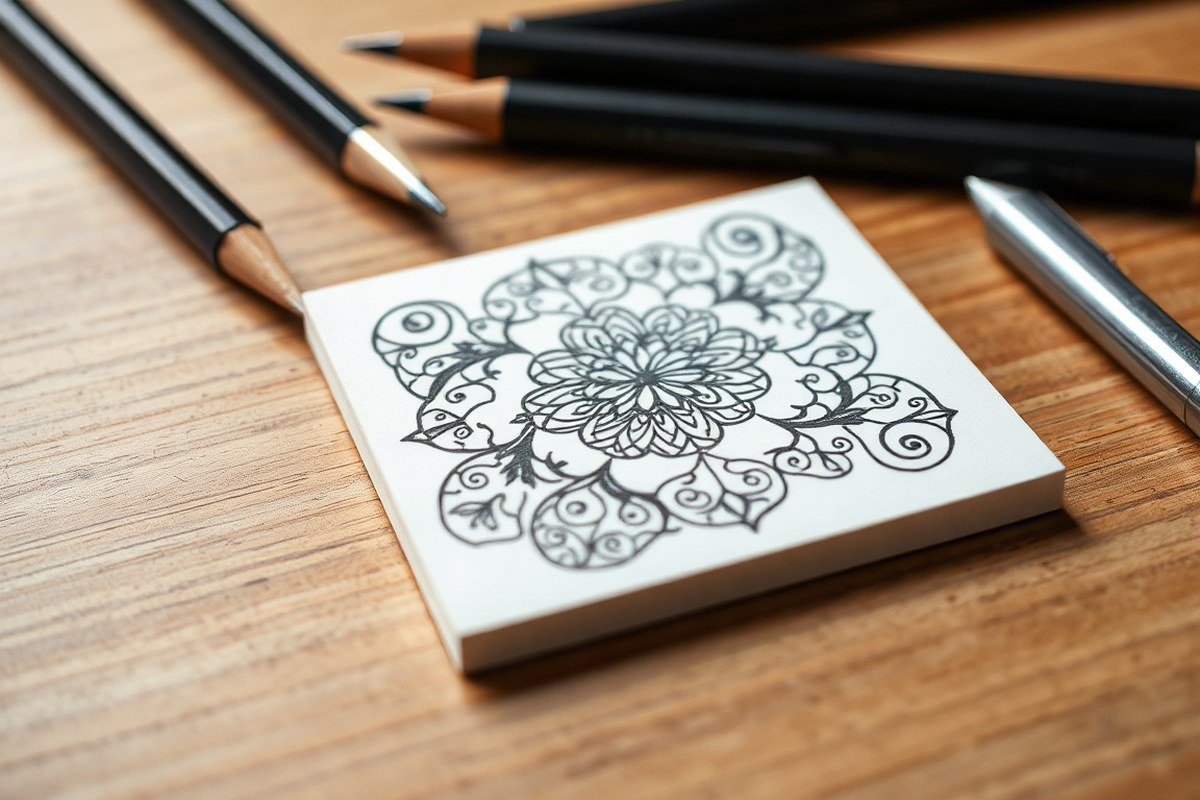
What is Zentangle art? It’s a mindful drawing method that uses simple, structured patterns to create beautiful images. Zentangle helps you focus your mind by drawing repetitive shapes on small square tiles, usually about 3.5 inches across. Starting with just a pen, pencil, and paper, it encourages calmness and creativity through focused, distraction-free practice.
Key Takeaways
- Use a small square tile around 3.5 x 3.5 inches as your canvas for each Zentangle drawing.
- Choose a fine-tip pen, like a Micron pen, which offers waterproof, quick-drying ink for crisp lines.
- Draw patterns slowly and deliberately to maintain the meditative, focused aspect of Zentangle art.
- Zentangle sessions can last from 10 minutes to over an hour depending on your available time and mood.
- Shade your patterns lightly with a pencil to add depth and improve the finished look.
- Zentangle art uses black ink on white paper to keep the artwork simple and visually striking.
What Is Zentangle Art and How Does It Work?
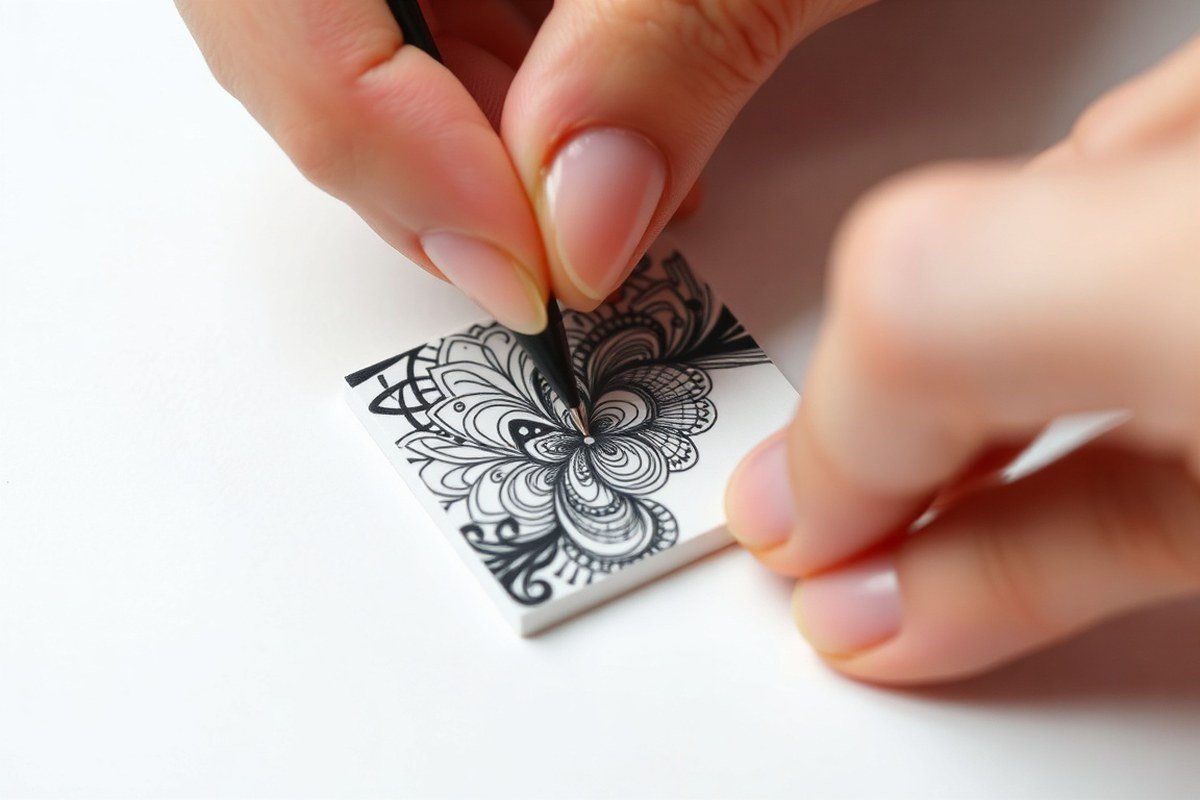
Zentangle art started in 2003, developed by Rick Roberts and Maria Thomas as a way to help people unwind, focus, and create simple, attractive patterns. This art form focuses on abstract designs made from repeat shapes known as “elemental strokes,” rather than typical drawing or painting. Artists use a small, 3.5-inch square tile, drawing with black ink on white paper and adding shading with a grey pencil. The method involves no preset plan, encouraging you to focus on each stroke separately without stressing about the final design.
The core principles of Zentangle include mindfulness, attention, and letting go of perfectionism. You create your artwork slowly and deliberately, which makes Each tile unique. This focus means Zentangle cannot be done while distracted, such as during a phone call or lecture. The method’s simplicity and use of basic materials, just pens and small tiles, make it accessible and affordable, with official starter kits costing around $15, $25. High-quality supplies, however, are recommended to make lasting pieces that you can enjoy long term.
| Zentangle | Doodling | Other Meditative Arts | |
|---|---|---|---|
| Purpose | Relaxation, focus, mindfulness | Casual, spontaneous drawing | Varies: movement, breathing, focus |
| Technique | Structured, uses repetitive patterns called elemental strokes | Unstructured, free form | May involve visual arts, movement, or breathing exercises |
| Materials | 3.5 inch square tiles, black ink, grey pencil | Any paper and pen | Varies by type (yoga mats, paints, instruments) |
| Focus | Deliberate, non-distracted attention | Often distracted or casual | Often mindful, but focus varies with practice |
| Result | Small, lasting, framed artwork | Usually temporary, casual sketches | Varies widely |
Zentangle stands apart because it invites you to create art as a form of meditation rather than representation. The lack of “up or down” orientation and the “no mistakes” attitude remove pressure. Your tile becomes a personal experience focused on the drawing process itself. You don’t aim for perfection but accept each stroke as part of the whole. This method provides a clear ritual and space to slow down, which makes it different from both casual doodling and other meditative practices that may not involve art at all.
What Materials Do You Need to Start Zentangle Art?
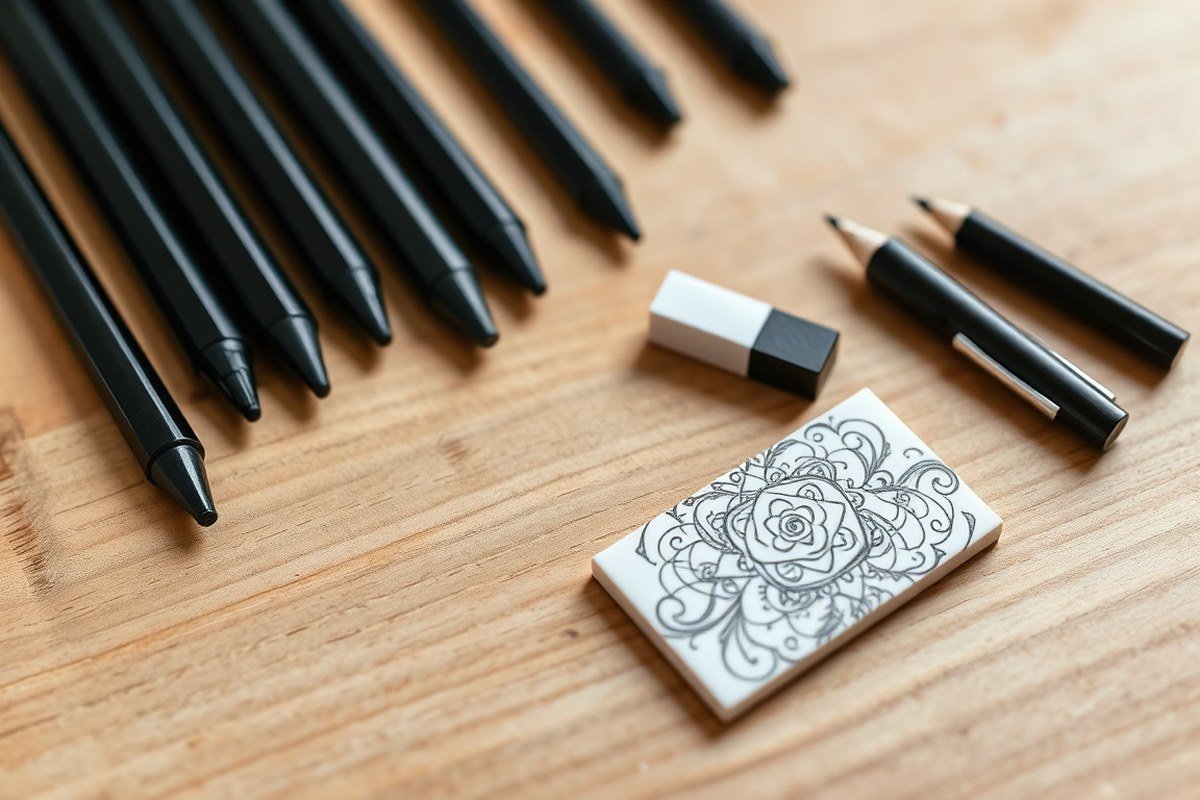
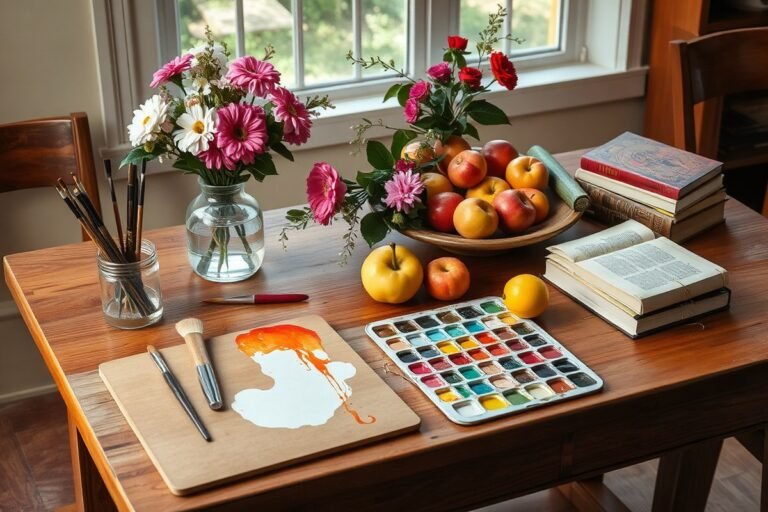
You only need a few simple supplies to start Zentangle art. The essentials are a black pen, a pencil, and paper. Many beginners use regular ballpoint pens and printer paper to get comfortable with the technique. However, recommended pens like Micron Pens cost about $12 and offer waterproof, quick-drying ink with different tip sizes for cleaner lines. A light pencil helps create a border square before inking your tangle patterns.
Official Zentangle starter kits include these basic materials plus special tiles (3.5-inch square papers), shading tools like tortillons, and an instruction booklet. Kits often run between $20 and $40. The tiles are thicker and smoother than regular paper to improve the drawing experience. These kits provide a full experience but are not necessary to begin practicing Zentangle techniques at home with your own supplies.
- Black pen (regular or Micron recommended)
- Pencil for borders
- Paper or Zentangle tiles
- Tortillon or blending tool (optional)
- Instruction booklet or online class (optional)
Choosing between basic supplies and an official kit mostly depends on your budget and goals. Basic supplies let you start under $10 using what you may already have at home. Official kits give a more polished start and introduce materials designed for Zentangle art but cost more upfront. Stick with basic supplies if you want to explore casually or test your interest. Opt for a kit if you prefer an all-in-one setup that guides your first session.
| Supplies | Cost Range |
|---|---|
| Basic pen and paper | Under $10 |
| Official Zentangle starter kit | $20 to $40 |
How to Create Zentangle Art: Step-by-Step Guide for Beginners
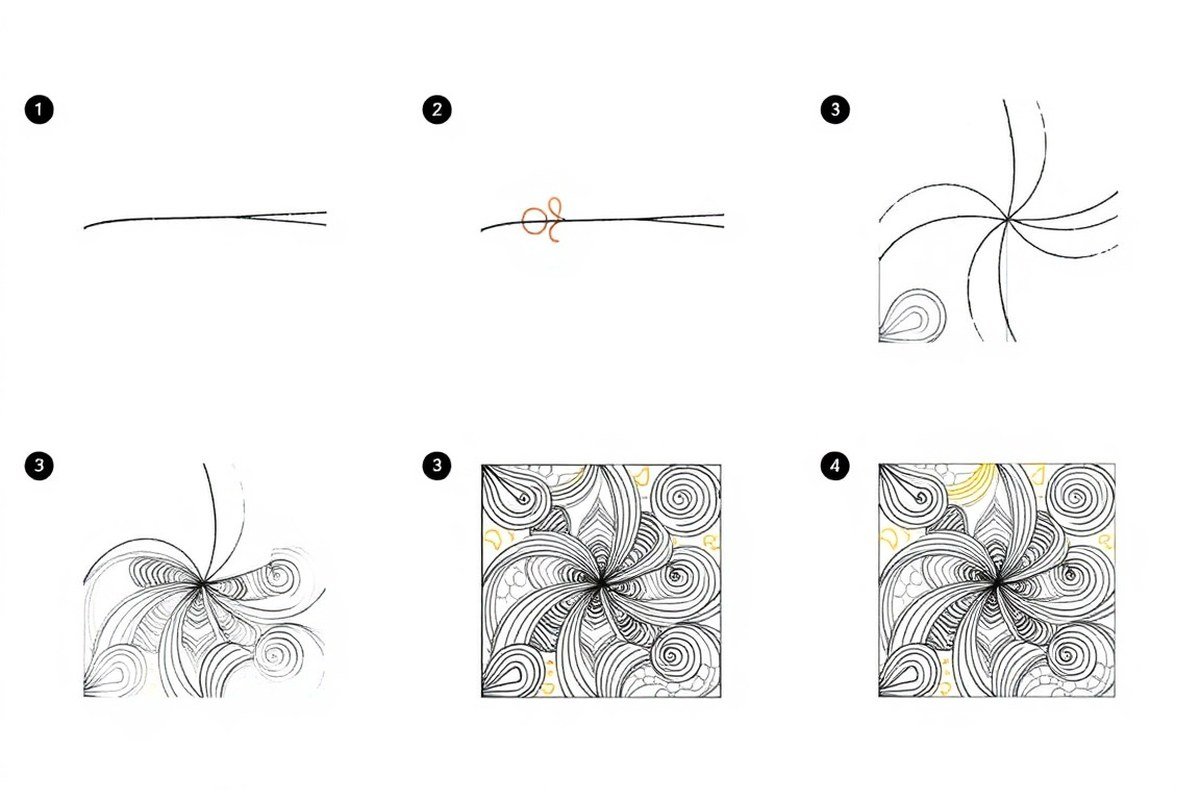
Creating a Zentangle begins with understanding the basic structure. Start with a small square tile and lightly draw a String, which is a loose, freeform line dividing your tile into separate sections. This string guides where you’ll place your tangles, simple, repetitive patterns that fill each area. Choose easy tangles like “crescent moon,” “hachured lines,” or “static” to start. Use a fine black pen for tangling, and add shading later with pencil to give depth.
- Draw the square tile and string: Use a pencil to sketch a 3.5-inch square. Lightly draw your string inside, letting it curve or zigzag freely without any rules. This divides the tile into sections ready for tangles.
- Select tangles for each section: Pick simple patterns like “flux,” “printemps,” or a basic “checkerboard.” Draw these in pen inside each divided area, focusing on slow, deliberate lines.
- Rotate the tile for comfort: As you draw each tangle, gently turn your tile to keep your hand relaxed and avoid strain. This helps maintain smooth, flowing lines.
- Fill each section completely: Work methodically through each string area until all are filled with your chosen tangles. Don’t rush; the process encourages calm and focus.
- Add shading with pencil: Shade along edges and inside curves where darkness would naturally fall. This creates dimension, making your patterns pop.
- Outline and finalize: Darken any faint lines or add small details to enrich your design. Erase any visible pencil strings gently, leaving just your crisp pen tangles and shading.
For example, start with a soft pencil string dividing your tile into four parts. Fill one with “crescent moon”, repeated curved lines, in another use “line weave,” a pattern of crossed straight lines, then try “bales,” simple leaf shapes in the third, and “knightsbridge,” grid dots in the last. Finish by shading under each pattern edge and inside dips. This step-by-step approach lets you focus on line quality and pattern rhythm, critical for a satisfying Zentangle.
How Long Does a Zentangle Session Take and What Are the Benefits?
A typical Zentangle session lasts anywhere from 10 to 60 minutes, depending on your available time and goals. Short sessions of about 10 to 15 minutes can help clear your mind and provide a quick mental break. Longer sessions, around 30 minutes to an hour, allow you to explore more patterns, develop details, and deepen your relaxation. The key is that Zentangle prioritizes The process over the end result, so you can work slowly without rushing.
Zentangle promotes feelings of calmness, focus, and mindful awareness by encouraging repetitive, meditative patterns. People who practice describe entering a flow state similar to mindfulness meditation. This shift helps lower stress hormones and improves mental clarity. The act of drawing each line with intention fosters Moment-to-moment awareness, which reduces anxiety and boosts self-confidence. You don’t need hours; even brief tangling sessions can support relaxation and stress reduction.
Regular Zentangle practice strengthens your ability to concentrate and maintain calmness in everyday life. Scientific research suggests such activities improve creativity, self-image, and problem-solving by engaging the brain in a focused but relaxed manner. As you repeat the patterns, your mind feels less cluttered, supporting sharper focus and a greater sense of well-being. This makes Zentangle a practical tool for relaxation and mindfulness that fits into busy schedules without requiring special equipment or space.
Common Beginner Mistakes in Zentangle and How to Avoid Them
Many beginners in Zentangle get caught up in Rushing through the process or worrying about making mistakes, which can block the relaxing and meditative benefits. Zentangle is meant to be slow and deliberate. Taking your time helps you stay focused on each stroke, turning drawing into a calming practice rather than a stressful task. Gently bring your attention back to the simple motions of drawing when your mind starts to wander.
Self-criticism is another common trap. People often worry their Zentangle art won’t look perfect. Remember that Zentangle emphasizes the process over the outcome. When you accidentally make a line you don’t like, just include it in your pattern. These “mistakes” can add to the uniqueness of your design. Let go of the expectation that your piece must look a certain way.
Ignoring the meditative focus defeats the main benefit of Zentangle. To maintain your calm and mindfulness, try to set a quiet, comfortable space for creating your art. Treat the drawing time as a ceremony you honor. A few good practices to avoid beginner pitfalls include:
- Draw slowly and breathe deeply to maintain calm.
- Welcome imperfections as part of your unique design.
- Pause if distracted, then gently refocus on the pen and paper.
- Use a small, quiet space free of interruptions.
- Remind yourself that Zentangle is about feeling, not perfection.
- Try simple patterns until you build confidence.
- Enjoy the process instead of rushing to finish.
Improving the look and feel of your Zentangle comes with practice and patience. Each session strengthens your focus and creativity. By shifting your mindset away from judgment and toward curiosity, you’ll find your art feels more authentic and satisfying. Prioritize the calming experience, and the visual results will follow naturally.
Step-by-Step Action Plan to Start Zentangle Art
Follow this plan to begin your Zentangle art journey confidently and see progress in your skills and relaxation.
- Before You Start: Gather basic materials like a pencil, pen, and a small square paper tile. You’ll know you’re ready when you have all tools within reach.
- Day 1: Watch a beginner Zentangle video or follow a simple pattern tutorial online. You’ll see how to form basic strokes and patterns.
- Day 2: Practice drawing one or two simple patterns on practice paper, focusing on clean lines. Success means your strokes feel steady and you enjoy the process.
- Week 1: Complete your first full Zentangle tile, filling sections with different patterns. You’ll know it worked when you finish without rushing and feel relaxed.
- Week 2: Experiment with shading using your pencil to add depth to your Zentangle. You’ll see the difference when your tiles look more three-dimensional.
- Week 3: Try combining patterns to create your own designs. You’ll notice growing creativity and confidence in your work.
- After 1 Month: Set aside 15 to 30 minutes regularly to practice Zentangle. You’ll feel the meditative benefits more clearly over time.
- After 6 Weeks: Share your Zentangle art with a friend or online group for feedback. Positive responses or helpful tips mean you’re engaging with the community.
Frequently Asked Questions
What Makes Zentangle Art Different from Other Art Forms?
Zentangle art focuses on unplanned, non-representational patterns to help you relax without worrying about the outcome. The method requires full attention, making it a form of meditation rather than just drawing or painting.
Can You Use Any Type of Paper and Pen for Zentangle?
You can start with basic paper and pens, but the official method recommends high-quality materials to make your work last. Quality tools improve the drawing experience but aren’t essential for beginners.
Is Zentangle Suitable for People of All Ages and Skill Levels?
Yes, Zentangle is accessible to everyone, regardless of age or artistic ability. It’s designed to be inclusive and welcoming, focusing on simple patterns anyone can create.
Are There Official Rules for Creating Zentangle Art?
Yes, official Zentangle art follows specific guidelines like using elemental strokes and focusing attention fully on the drawing process. Works outside these are called Zentangle-inspired art.
Can Zentangle Art Be Used as a Form of Therapy?
Yes, Zentangle is considered art therapy that helps you relax, focus, and enjoy creativity. It’s often used to reduce stress and improve mindfulness.
Key Points to Remember
Zentangle art offers a simple way to relax and express creativity using just a few lines and shapes. By taking that first step to draw your own patterns today, you invite calm and focus into your day. Grab your pen and tile, and start with one small pattern now to experience Zentangle’s peaceful flow firsthand.