What Is Art Appreciation in College? A Complete Guide with Key Skills
What is art appreciation in college? It is the study and enjoyment of visual arts, focused on understanding artistic styles, historical contexts, and cultural significance. This course helps you develop skills to interpret and discuss art with relevant vocabulary and insight. Starting with basic art movements and techniques makes the subject accessible even without prior experience.
Key Takeaways
- Art appreciation courses often fulfill general education requirements in arts and humanities.
- These courses introduce you to major art movements like impressionism, cubism, and surrealism.
- Learning the vocabulary of art helps you discuss visual works thoughtfully and accurately.
- Art appreciation builds cultural awareness by connecting art with historical and social contexts.
- Time commitment for a typical 3-credit course is about 31 hours, including assignments and study.
- Assignments usually include analyzing artworks from different periods and explaining their cultural importance.
What Does Art Appreciation Mean in College?
Art appreciation in college means learning how to understand and enjoy visual art in all its forms. It is not about producing art but about recognizing the elements that make up art and the stories or emotions behind each piece. This course welcomes students with little to no prior art experience and focuses on teaching you the vocabulary and concepts necessary to discuss and connect with art meaningfully.
The course typically covers core concepts such as the themes of art, principles of design, and different types of media, including both two-dimensional and three-dimensional works. You will also explore art’s cultural and historical contexts to see how society influences artistic expression and how, in turn, art reflects the values and struggles of different times and places. This understanding helps you look beyond the surface, noticing details and meaning that can deepen your appreciation.
You’ll learn a five-step system to analyze and engage with visual art. This approach includes observing artwork closely, exploring its use of form and materials, considering its historical background, and reflecting on your personal response. Through this process, you build critical thinking and open-mindedness, as you discover multiple ways to interpret the same piece. Art appreciation improve listening and observing skills and encourages respect for diverse perspectives.
Completing a course like StraighterLine’s Art Appreciation, which takes about 31 hours and offers 3.1 CEUs, can earn you transferable college credits. Beyond credit, the course improves your ability to engage with the visual world thoughtfully and emotionally. It costs time and effort but yields skills that extend beyond art, enriching how you see history, culture, and human creativity in everyday life.
Core Topics Covered in a College Art Appreciation Course
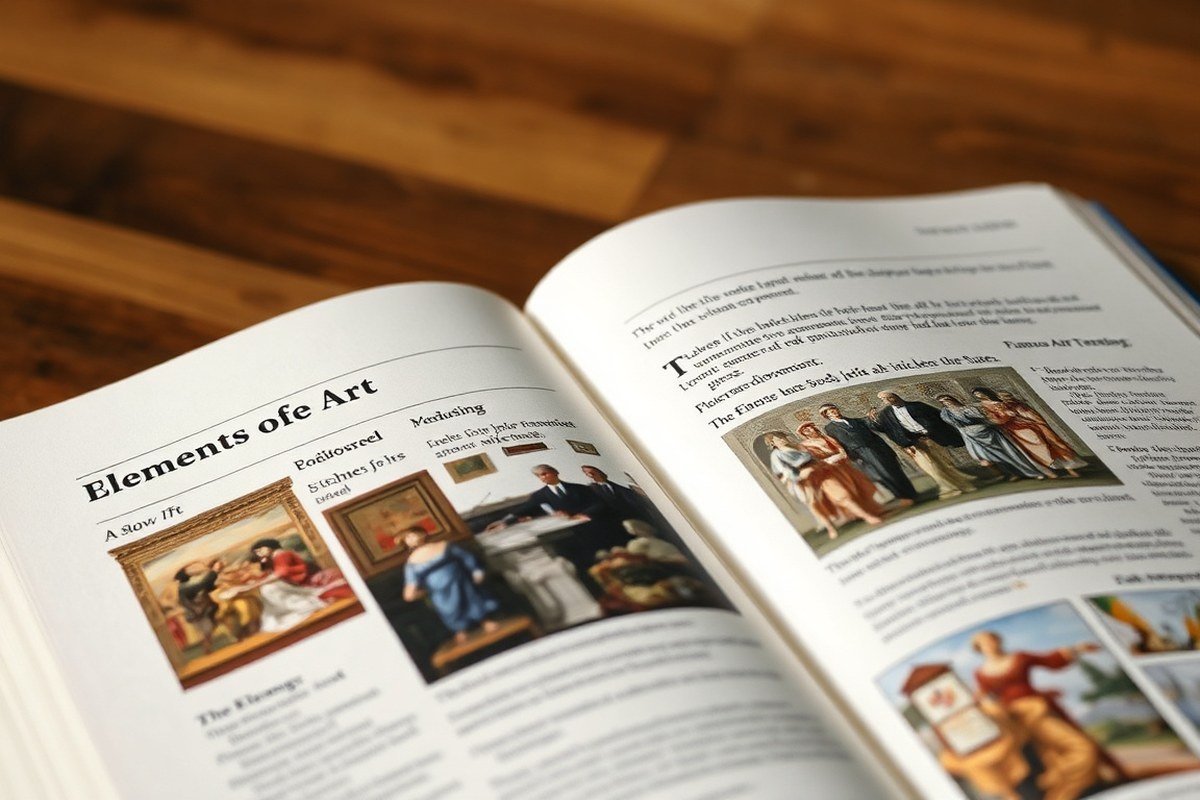
Students in college art appreciation classes explore a range of topics that build their ability to understand and discuss art. They start by learning the Elements of art, which include line, shape, color, texture, value, form, and space. These elements act as the basic building blocks that artists use to create visual works. Alongside these, students study the Principles of design, such as balance, contrast, unity, and pattern, which guide how artists organize the elements within a piece to communicate their ideas and emotions effectively.
Art appreciation also involves looking into major Art movements to understand how styles and philosophies have changed over time. Students learn to identify movements from ancient cultures up to contemporary times, exploring how cultural and historical contexts shaped artistic expression. This knowledge helps students to interpret artwork and connect it to the periods and societies they come from.
| Art Movement | Features | Timeline |
|---|---|---|
| Renaissance | Focus on realism, perspective, human anatomy, classical themes | 14th, 17th century |
| Baroque | Drama, rich color, intense light and shadow contrasts | 17th, 18th century |
| Impressionism | Loose brushwork, light effects, everyday subjects | Late 19th century |
| Modernism | Abstract forms, experimentation, breaking traditional rules | Late 19th, mid 20th century |
| Contemporary | Diverse styles and media, global perspectives, conceptual art | Mid 20th century, present |
Students apply their knowledge by closely observing artworks and discussing how the elements and principles interact within them. This approach helps them develop visual thinking skills, enabling detailed descriptions supported by clear evidence. Understanding these core topics provides the foundation for appreciating the creativity and cultural significance of art throughout history.
How Does Art Appreciation Develop Critical and Cultural Skills?
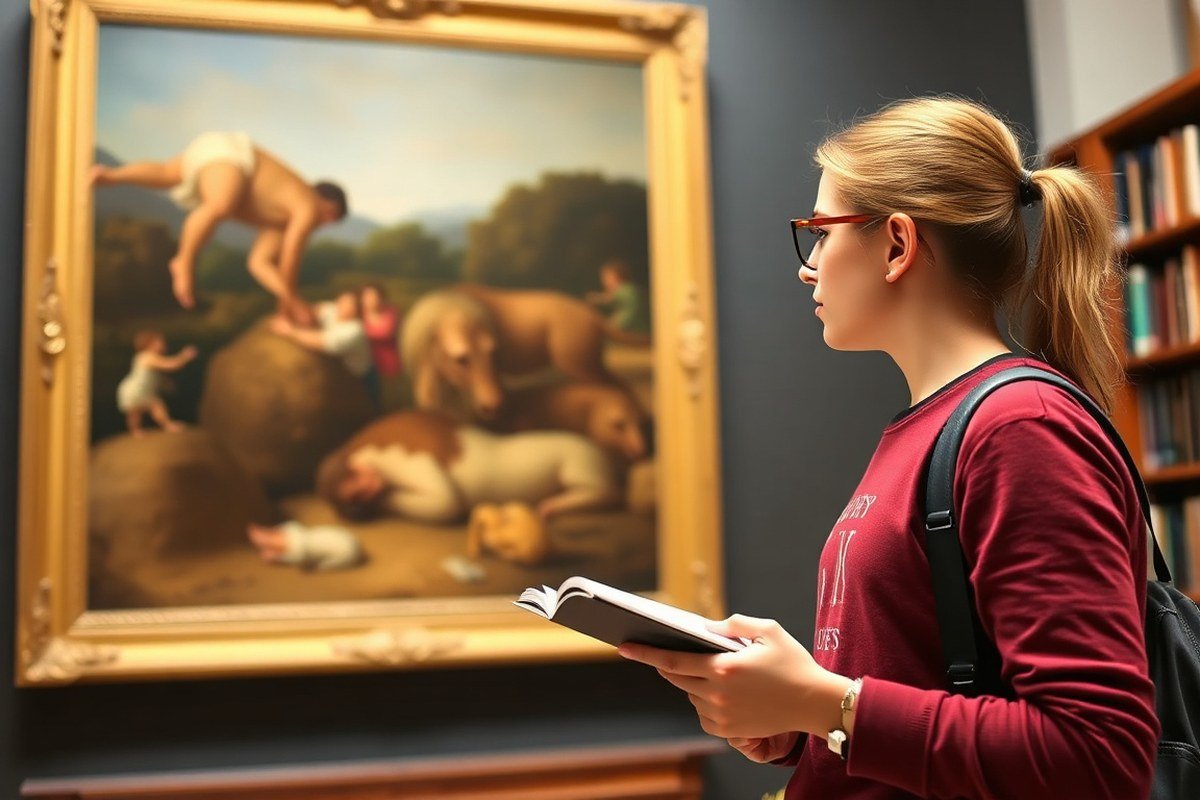
Art appreciation develops critical and cultural skills by training you to analyze and understand visual works thoughtfully. It helps sharpen your Critical thinking abilities by encouraging you to evaluate artistic choices like balance and rhythm, considering how these elements influence your perception and meaning. This kind of analysis improves your ability to express clear ideas about art, boosting communication skills useful in other academic and social settings.
The course deepens cultural understanding through Contextual analysis. You learn to study the cultural, historical, and social background behind an artwork, which is key to grasping its significance. For instance, knowing the materials or beauty standards of a culture helps explain why something looks the way it does, making the artwork more meaningful and relatable.
To analyze a work of art effectively, you can follow this step-by-step approach: first, describe what you see, elements like color, shape, lines, and composition. Next, interpret the meaning or emotions the artwork might convey, considering the artist’s techniques and use of visual weight (balance) or repeated forms (rhythm). Then, research or reflect on the cultural and historical context that shaped the work. Finally, make a judgment about the artwork’s aesthetic or cultural value based on your analysis. This structured method trains you to engage with art more deeply and thoughtfully.
Taking time to analyze art this way improves your visual literacy, the skill to read and understand images like a language. The process costs only your attention and practice but leads to richer experiences with art and stronger ability to discuss complex ideas. Without understanding art’s cultural context, you might miss important meanings or misunderstand its value. Learning through art appreciation connects you to diverse perspectives and builds empathy, skills that extend far beyond the classroom.
What to Expect: Course Structure, Assignments, and Time Commitment
Most college art appreciation courses last a full semester, usually around 15 weeks, with classes meeting once or twice a week. Some programs offer accelerated versions that take about 6 to 8 weeks, especially online. Coursework often blends lectures with interactive assignments designed to help you understand and analyze art. You’ll encounter different types of tasks, such as written reflections, quizzes on art periods and movements, and visual analyses where you describe the use of elements like color, form, and emphasis in a piece.
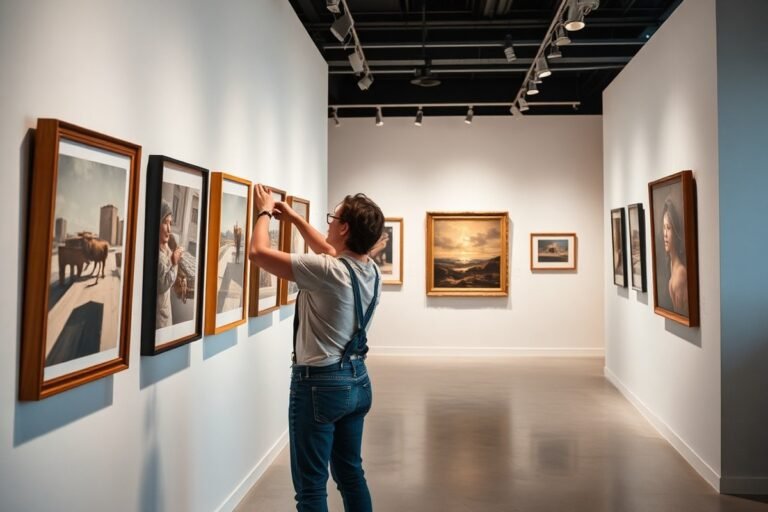
Assignments might include comparing several artworks to identify stylistic differences or researching an artist’s background to provide context to their work. You could also participate in discussions, either in class or online, where subjective interpretation plays a role. Many courses ask you to visit a museum or gallery, either physically or virtually, to write a critique based on formal and contextual analysis. This mix of activities encourages you to engage with art beyond just memorizing facts.
Online options are common and flexible, letting you learn at your own pace. These courses typically use video lectures, digital galleries, and forums for interaction. They may require scheduled quizzes or timed exams, so staying organized is key to keeping up. A good approach is to set weekly goals for watching lectures, completing assignments, and reviewing study materials.
To manage your workload, use this checklist: review key terms after each lesson, practice describing artworks aloud or in writing, and schedule at least two study sessions per week lasting 30 to 60 minutes. Using these strategies helps you absorb the material and prepare for exams or final projects. Remember that engaging with art regularly, not just before tests, leads to better understanding and appreciation.
Tips and Myths About Appreciating Art Effectively
Start by observing the artwork carefully. Note its size, colors, shapes, and textures without rushing to judge. Learning to describe these physical features builds an objective foundation. Then, consider how the piece makes you feel or what memories it evokes. Combining this subjective response with your description offers a fuller analysis. For example, you might say, “The jagged lines create tension, making me feel uneasy,” which links formal qualities with your emotion.
Avoid common mistakes like assuming there is a single correct interpretation. Art appreciation is both subjective and objective. You can look at the work’s formal qualities objectively, but your interpretation involves personal perspective. Just as two students might have different emotional responses, your unique background shapes what you take from a piece. Keep this flexibility in mind to enjoy art without pressure.
Challenge myths such as “You must have art experience to appreciate art”. Beginners succeed by focusing on clear observation and honest emotional reactions rather than expert knowledge. Another misconception is that art appreciation courses only involve memorizing artists and dates. In reality, these courses equip you with skills to analyze and critique art thoughtfully, not just recall facts. Your engagement matters more than prior expertise.
Focus on the flow of the artwork, also called movement, to understand its composition. Notice where your eyes travel when you look at the art and how elements guide that movement. This technique helps reveal the artist’s intention and the piece’s impact. Practicing this skill sharpens your visual literacy, an essential part of effective art critique.
When analyzing, try this script: “First, I describe the artwork’s materials, colors, and shapes. Next, I consider what emotions or thoughts it inspires in me. Finally, I think about why the artist might have used these elements and what message they tried to convey.” Doing this regularly helps you develop deeper insight while keeping your approach structured and personal.
Your First Weeks: A Quick-Start Plan for Art Appreciation
Start your art appreciation journey with clear goals and simple daily tasks to build your skills and confidence. Follow these steps to engage actively and see progress.
- Before class starts: Gather the syllabus and preview the major topics. Knowing what you’ll study helps you prepare questions and look for examples ahead of time.
- Week 1: Attend your first few lectures and take notes focusing on key terms and concepts. Check your understanding by summarizing each topic in your own words after class.
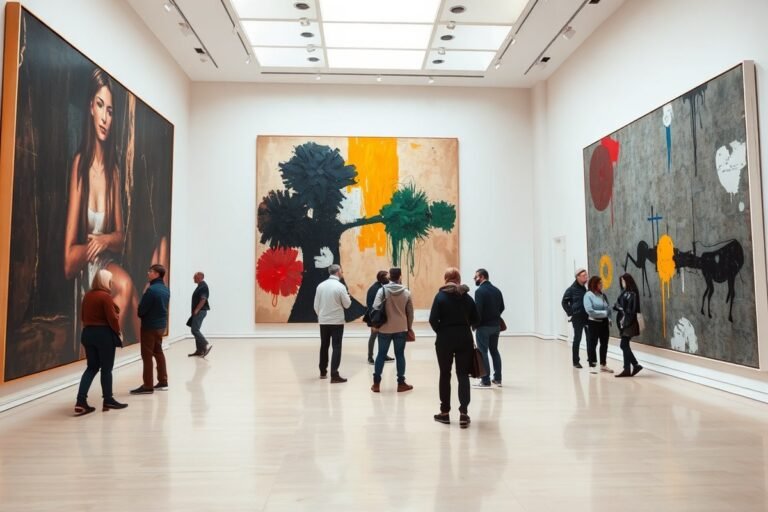
- Week 2: Visit a local art gallery or museum related to your class themes. Try to identify styles or periods you’ve learned about. Notice which pieces catch your attention and why.
- Week 3: Complete your first written assignment or discussion post. Reflect on your reactions rather than just facts. Successful reflection shows you’re connecting with the art personally and critically.
- Week 4: Join or form a study group. Discussing different viewpoints often reveals new interpretations and improves your cultural awareness.
- Week 5: Revisit your notes and compare your initial impressions of artworks to what you’ve learned. Spotting changes in your perspective means your appreciation is developing.
- Ongoing: Keep practicing by looking at various art forms outside class, such as film, photography, or digital art. Feeling comfortable talking about art in casual settings shows real growth.
Frequently Asked Questions
What Career Options Can Art Appreciation Skills Support in College Students?
Art appreciation can support careers in design, education, marketing, and museum work by providing critical visual analysis and cultural awareness skills that employers value. It offers transferable communication skills applicable in many creative and professional fields.
How Does Art Appreciation Impact Personal Creativity Outside Academics?
Engaging with art appreciation boosts your creative thinking and problem-solving by encouraging exploration of diverse perspectives and artistic expressions. It helps develop your ability to approach challenges creatively in daily life.
Can Art Appreciation Courses Be Taken Online for College Credit?
Yes, many colleges offer online art appreciation courses for 3 college credits, such as those available through StraighterLine. These allow flexible learning while meeting general education requirements.
Does Art Appreciation Require Prior Art Skills or Knowledge to Succeed?
No, art appreciation courses are designed for beginners and do not require previous experience. They focus on developing an understanding and enjoyment of art through vocabulary and cultural context.
How Does Art Appreciation Contribute to Cultural Sensitivity in College Students?
Art appreciation fosters cultural sensitivity by exposing you to diverse art forms and histories, helping you understand different societies’ values and perspectives. This broadens empathy and respect for global cultures.
Key Points to Remember
Art appreciation in college expands your understanding of creative expression and cultural history. By actively engaging with art, you’ll develop skills that improve critical thinking and cultural literacy. Start by applying your knowledge in everyday encounters with art, like visiting a museum or discussing a piece with friends. This simple step keeps your learning alive beyond the classroom and deepens your appreciation.