Where the Wild Things Are Art: A Complete Guide to Sendak’s Style and Impact
Where the Wild Things Are art stands out for its detailed, emotionally rich illustrations by Maurice Sendak. His unique style combines childhood memories with mythical elements to create the Wild Things’ iconic look. Exploring Sendak’s original drawings reveals how these images bring depth and imagination to children’s literature. Start by studying the Wild Things’ expressive faces and natural textures, which blend realism with fantasy, making the characters relatable yet otherworldly.
Key Takeaways
- Maurice Sendak’s use of muted earth tones improve the moody atmosphere of Where the Wild Things Are’s illustrations.
- Sendak drew inspiration from classical art and his own childhood to design the Wild Things’ mythical yet personal appearances.
- The book’s original size of about 9 1/4 by 10 1/4 inches creates an intimate experience with the detailed art.
- Where the Wild Things Are defied 1960s children’s book conventions through its emotionally complex and detailed visual storytelling.
- Experiencing Sendak’s original art in museums helps deepen appreciation for his layered textures and character expressions.
- Sendak’s art style paved the way for more emotionally honest illustrations in modern children’s literature.
What Defines the Artistic Style of Where the Wild Things Are
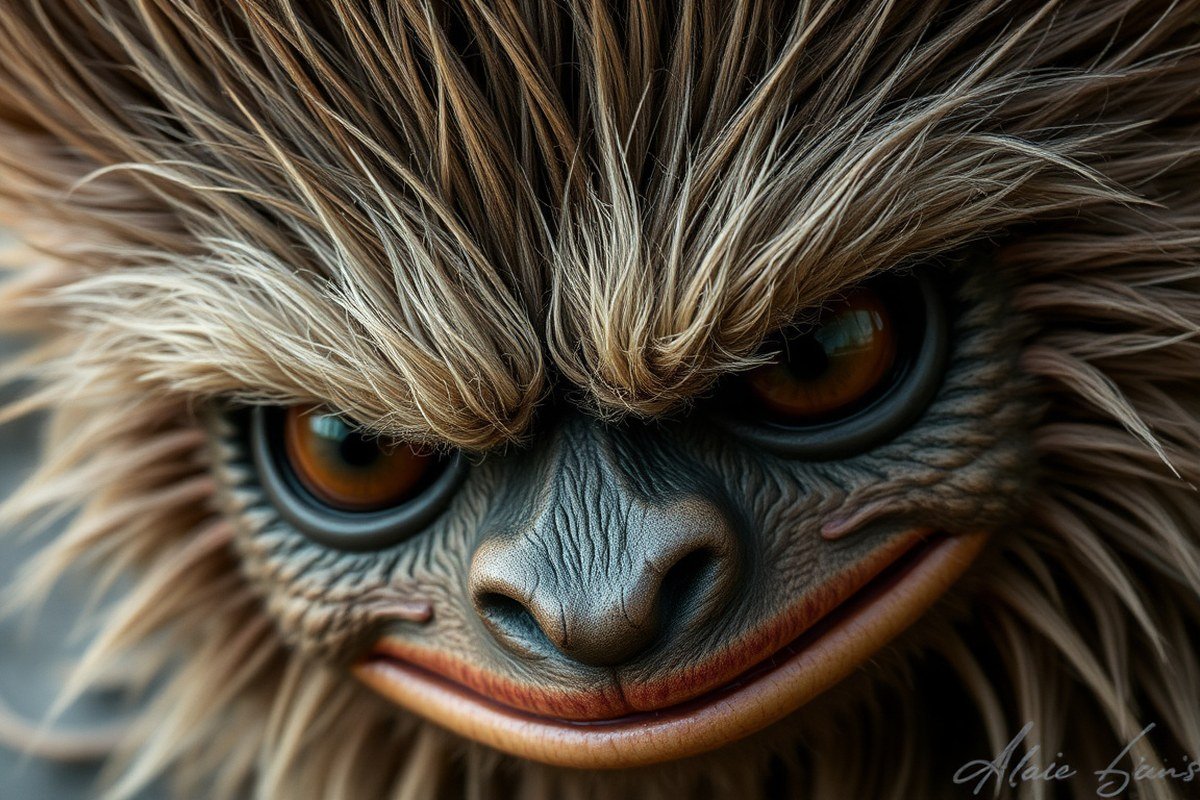
Maurice Sendak’s artistic style in Where the Wild Things Are combines muted colors, dynamic layouts, and imaginative character designs to evoke a rich emotional atmosphere. The palette primarily uses subdued greens, browns, grays, and ochres. These colors create a natural yet slightly eerie world that reflects both the wilderness Max enters and the complex feelings of the story. This restrained use of color helps focus attention on the emotions and actions of the characters without overwhelming young readers.
The Wild Things themselves are iconic, blending animals, humans, and fantasy into strange but relatable figures. Sendak designed these creatures by drawing on childhood memories, relatives, and classical art, giving them a mythic but personal quality. Their expressive faces and varied textures, from shaggy fur to scaled skin, make them memorable and communicate different moods, matching themes of wildness, fear, and friendship.
Layout plays a significant role as well. Sendak meticulously planned the book’s pacing, starting with small illustrations surrounded by white space. This creates a feeling of containment that grows as Max’s imagination runs wild. The illustrations expand to full-page and finally double-page spreads, visually mirroring Max’s emotional journey into freedom and self-discovery. The hand-lettered typography blends smooth with the artwork, improving the storytelling instead of distracting from it.
This artistic style requires a balance of subtle colors, imaginative character detail, and thoughtful composition. Achieving the right textures means working with traditional media like watercolor and ink, which lend a tactile quality to the illustrations. Avoiding overly bright or busy colors keeps the emotional tone intact and draws attention to the characters’ expressions and story progression. This approach to art sets Where the Wild Things Are apart as a visual and emotional experience.
How Maurice Sendak Created the Illustrations and Characters
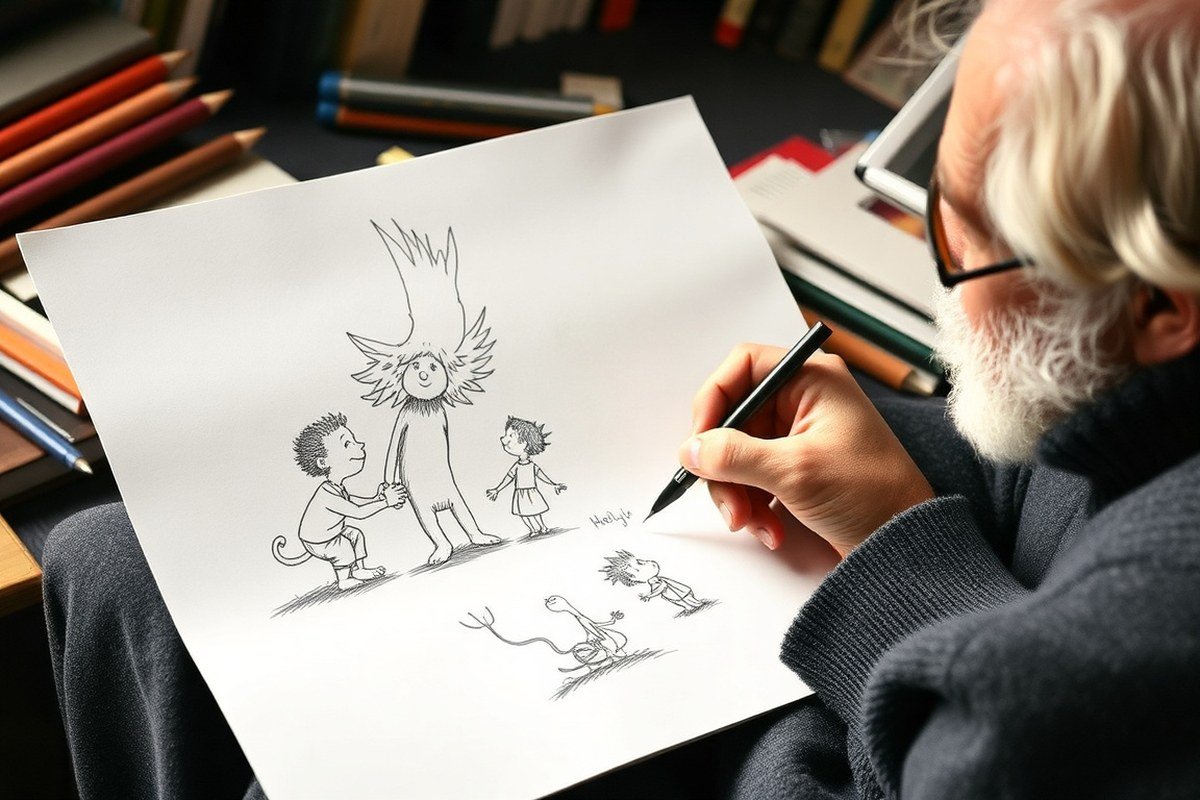
Maurice Sendak created the illustrations for Where the Wild Things Are using traditional media that combined pencil sketches, ink, and watercolor. He began with rough pencil drafts to map out the characters and scenes, refining details gradually. This method allowed him to build texture and depth by layering washes of watercolor over finely detailed ink lines. Sendak valued the handcrafted quality this process produced, standing out in a publishing world moving toward digital methods.
The design of the Wild Things came from a deeply personal place. Sendak often said the creatures reflected his own aunts and uncles, mixing familiar human traits with fantastical elements. Their appearance, wild yet vulnerable, represented Max’s inner emotional world, making the monsters both relatable and expressive. To create these characters, Sendak sketched imaginative shapes and textures that emphasized big eyes, shaggy fur, and exaggerated features. This approach helped the Wild Things communicate mood and personality without words.
Sendak’s background in fine arts and his appreciation for traditional typesetting influenced not only the illustrations but also how he integrated text. He arranged the serif font carefully around the images, adjusting placement as scenes grew in size and intensity, such as during the wild rumpus. This balance of image and text created a dynamic storytelling experience where pictures often took the lead, pushing or even removing words to emphasize mood.
His technique required patience and skill, with each page taking days or weeks as he layered materials and adjusted compositions. This hands-on process produced expressive, textured pictures that felt intimate and alive. Variations in line weight, color washes, and space on the page allowed Sendak to guide readers into Max’s adventure visually. The results are illustrations still studied today for their narrative power and the way they capture complex emotions through traditional art techniques.
Where to Experience Original Where the Wild Things Are Art Exhibits
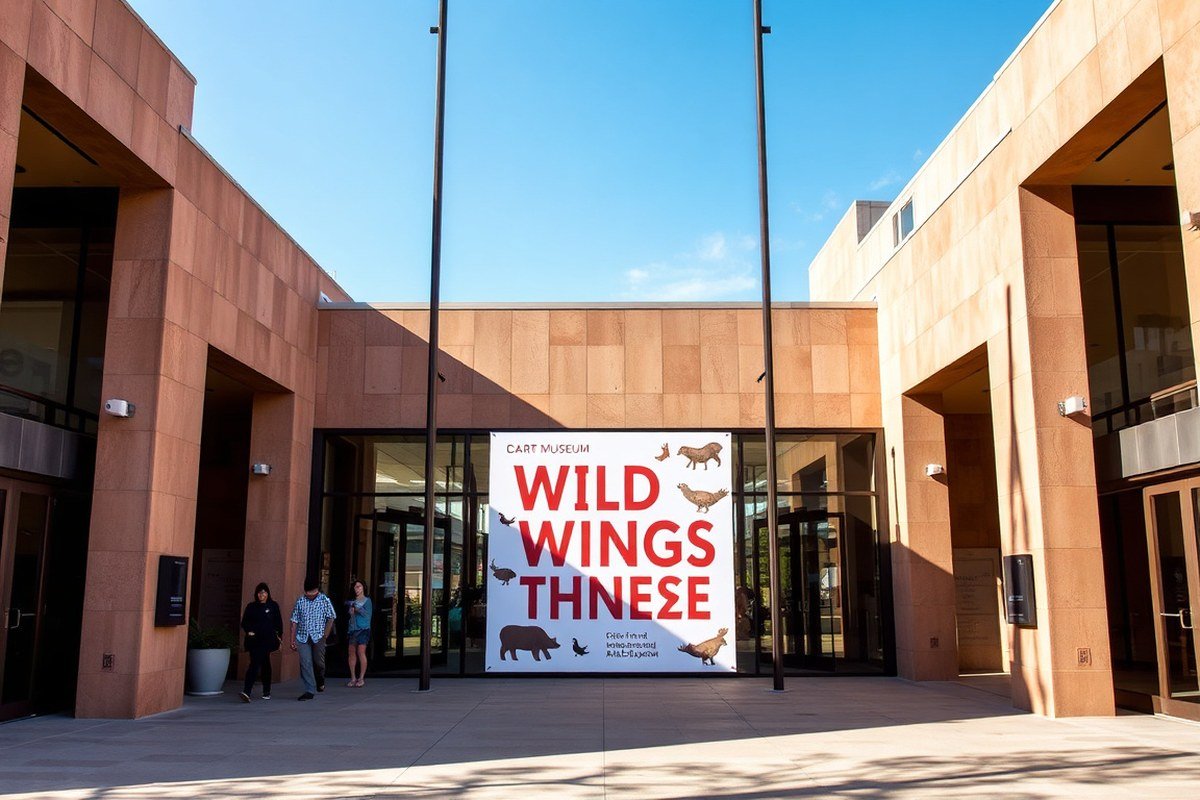
You can see original Where the Wild Things Are art at select museums that hold exhibitions of Maurice Sendak’s iconic illustrations. The Denver Art Museum frequently features this artwork as part of its children’s literature collections. Checking their online calendar before your visit helps you catch special events or exhibits focused on the Wild Things. For group visits of 10 or more, museums typically offer a discounted rate, so it pays to plan ahead and make arrangements.
To arrange a group visit to the Denver Art Museum, contact group services by phone at 720-913-0088 during regular business hours or send an email to groupsales@denverartmuseum.org. Planning ahead guarantees a customized experience that can offer guided tours or unique programs connected to the art. Scheduling typically needs a few weeks’ notice, particularly for school groups or educational activities related to children’s literature.
Key exhibitions of Sendak’s art run periodically, so planning your trip around announced dates is critical. Cultural institutions sometimes rotate original pieces due to preservation needs, so the artwork on display can vary. Admission prices vary by museum but often range from $10 to $20 for adults, with children usually receiving discounted or free entry. Taking advantage of these exhibits offers a unique chance to see the detailed, emotionally rich illustrations that first brought the Wild Things to life in 1963.
How Where the Wild Things Are Art Influences Children’s Literature and Creativity
Where the Wild Things Are art transformed children’s book illustration by showing that images are the center of the storytelling experience, not just decoration. Maurice Sendak’s choice of muted, painterly colors and detailed, atmospheric drawings set a new standard, giving his work a serious and artistic quality uncommon in children’s books of the time. This shift influenced many illustrators to approach children’s literature with more depth and creativity, encouraging pictures that deepen the narrative instead of simply complementing it.
To help children engage with Sendak’s art, practical activities can focus on observation and creative expression. Start with a simple checklist: first, look closely at the illustrations, noting the colors, textures, and emotions conveyed. Next, ask children to describe what feelings the images evoke or which Wild Thing might be their favorite. Then, invite them to create their own creature using colored pencils or watercolors, inspired by Sendak’s style of controlled brushwork and subdued palettes. Allow 30 to 45 minutes for drawing or painting, giving young artists enough time to explore without pressure.
Teaching about Sendak’s art works best through discussion and hands-on projects. Begin by reading selected pages out loud, pausing to discuss how the pictures tell parts of the story that words do not. Encourage kids to think about why Sendak avoided bright, cartoon-like colors and how this choice changes the mood. Follow up with a creative project where children design their own book cover or a “wild thing,” explaining their artistic choices. These activities require basic art supplies such as watercolors, paper, and brushes, usually costing under $20 for a class set, making them accessible for classrooms or home learning. The goal is to develop children’s ability to link images with storytelling and foster imagination, rather than to produce perfect art.
Creative Projects Inspired by Where the Wild Things Are Art
One enjoyable Creative project inspired by Where the Wild Things Are art is making Wild Thing sock puppets. This hands-on activity lets you use old socks, scraps of fabric, foam filler, buttons, and yarn to bring your own wild creatures to life. It requires basic sewing or gluing, so adult help might be needed for younger crafters. To start, gather one sock per puppet, foam to fill the sock, fabric scraps for ears and claws, and buttons or felt for eyes and nose. Stuff the sock with the foam filler, then attach the fabric ears and claws by sewing or using a strong craft glue. Finally, add facial details with buttons or felt shapes. This project can take about 1 to 2 hours, depending on skill level, and the cost is minimal, mostly for craft supplies if not already at home.
Another simple craft related to Sendak’s illustrations is creating paper plate masks of Max or the Wild Things. You only need paper plates, scissors, markers or paints, string, and glue. First, cut eye holes out of a paper plate, then paint or draw features like the wild hair or crown Max wears. After decorating, punch holes on the sides and tie string through to secure the mask. This project takes around 30 minutes and costs under $5 for materials, making it perfect for classrooms or group activities.
For those interested in drawing, copying Sendak’s characters using basic pencil and watercolor techniques is a great practice. Start by lightly sketching Max and the Wild Things, matching the quirky, expressive style. Use a limited watercolor palette to mimic the muted tones and shadows Sendak used. This activity helps improve observation and painting skills while connecting directly to the book’s art style. Results look best when shading focuses on texture, and colors stay soft rather than bright. Beginners might find some shapes tricky, so tracing outlines first can help.
These projects vary in complexity and cost but all encourage creative engagement with Where the Wild Things Are art. They let you bring favorite characters into your world using simple materials and step-by-step approaches. Careful preparation of supplies and patience with details will give the best results. Avoid rushing steps like gluing or painting to keep your pieces neat and lasting. Each craft offers a fun way to celebrate Maurice Sendak’s timeless illustrations.
Engage with Where the Wild Things Are Art: A Step-by-Step Action Plan
Start exploring and enjoying the art of Where the Wild Things Are through hands-on activities and visits. This plan helps you connect deeply with Maurice Sendak’s work and share it with children.
- Day 1: Read the book aloud, paying close attention to the illustrations. Notice how the art sets the mood and tells the story.
- Week 1: Create your own wild thing character using paper, crayons, or clay. Compare your artwork to Sendak’s style to understand his creative choices.
- Week 2: Research local museums or libraries to find any Where the Wild Things Are art exhibits or events. Plan a visit to see original artworks or related displays.
- Week 3: Watch an animated or stage adaptation of the story, focusing on how the art and character design translate across media.
- Week 4: Encourage children to draw or write their own wild things stories. This helps foster creativity inspired by Sendak’s world.
- Month 2: Collect prints or reproductions of the book’s art for your home or classroom to create a lasting visual connection.
- Month 3: Join an online or local children’s literature group to discuss the impact of Sendak’s illustrations and share creative projects.
Frequently Asked Questions
What Materials Did Maurice Sendak Use to Create the Where the Wild Things Are Art?
Sendak used traditional media like watercolor, ink, and pencil to craft his illustrations. These materials helped create the book’s distinct, textured look that feels both detailed and approachable for children.
Are There Any Unpublished Artworks by Maurice Sendak from Where the Wild Things Are?
Yes, some unpublished sketches and drafts exist and occasionally appear in special exhibits or publications. These offer insight into Sendak’s creative process and his development of characters and scenes.
How Did Maurice Sendak’s Childhood Influence the Art of Where the Wild Things Are?
Sendak’s childhood memories played a significant role, inspiring the personal and mythic look of the Wild Things. He drew from relatives and personal experience to shape their unique hybrid features.
Can Children Recreate Where the Wild Things Are Art with Common Household Supplies?
Children can use crayons, colored pencils, and construction paper for simple Wild Things-inspired art projects. This fosters creativity and connects them with Sendak’s style without needing special materials.
How Do the Colors in Where the Wild Things Are Contribute to the Story’s Mood?
The muted palette of greens, browns, and ochres creates a somber yet imaginative atmosphere. This subdued color choice balances the wildness of the creatures with the emotional tone of the story.
The Bottom Line
The art of Where the Wild Things Are offers a unique blend of imagination and emotion that continues to inspire children’s creativity and storytelling. You can deepen your appreciation by exploring the artwork firsthand and engaging in creative projects connected to the story. Start by sharing the book’s illustrations with children today and watch their imaginations come alive.