
What Does an Art Therapist Do? A Complete Guide to Their Role & Work
What does an art therapist do? An art therapist helps individuals express feelings and thoughts through creative processes to improve mental health and emotional well-being. They guide clients in using art forms as therapeutic tools to explore and address psychological challenges. Art therapy often complements traditional treatments, making it a valuable part of holistic care.
Starting with an art therapy session involves understanding your emotions through creative expression, which can open pathways to healing and self-awareness. This approach works because it taps into nonverbal communication and personal insight.
Key Takeaways
- Art therapists use drawing, painting, sculpting, and other art forms as a means for clients to communicate emotions.
- They work with individuals, groups, and families to develop creativity in a safe therapeutic setting.
- Sessions often address mental health, trauma, developmental issues, and stress management through personalized art activities.
- Art therapy supports traditional mental health treatments and can improve emotional processing and coping skills.
- Confidentiality and ethical practices guide the art therapist’s work to protect client well-being.
- Therapists document client progress through both artwork and verbal reflections to track healing development.
What Does an Art Therapist Do Daily?

Art therapists spend their days facilitating creative expression to help clients explore feelings, manage emotional challenges, and improve mental health. They work with a range of clients, including children, adolescents, adults, and older adults, addressing issues like trauma, stress, developmental disorders, and behavioral problems. Their sessions may be one-on-one or in groups, depending on the client’s needs and therapeutic goals.
A typical session begins with establishing a safe, supportive environment where clients can freely use art materials like paint, clay, drawing tools, or collage supplies. The therapist guides participants through specific projects or spontaneous creation, encouraging them to express thoughts and emotions visually rather than verbally. The focus stays on the creative process and the meanings behind choices of colors, shapes, and textures, rather than on artistic skill or the final product.
Daily activities include: planning sessions tailored to individual or group needs, introducing appropriate art media, facilitating the creative process, and observing clients’ responses and behaviors. After art-making, therapists discuss the work with clients to deepen understanding, helping link visual expression to feelings and experiences. They also document progress, adjust treatment plans, and may collaborate with other professionals to provide additional support when necessary.
Art therapists use their training to select expressive techniques that best support healing and growth, integrating psychological theory with creative methods. They educate clients about how art can boost self-awareness and emotional regulation. This approach allows for meaningful change without requiring clients to have any prior artistic experience, focusing instead on the therapeutic value of creative self-expression.
How Does Art Therapy Work? Techniques and Benefits
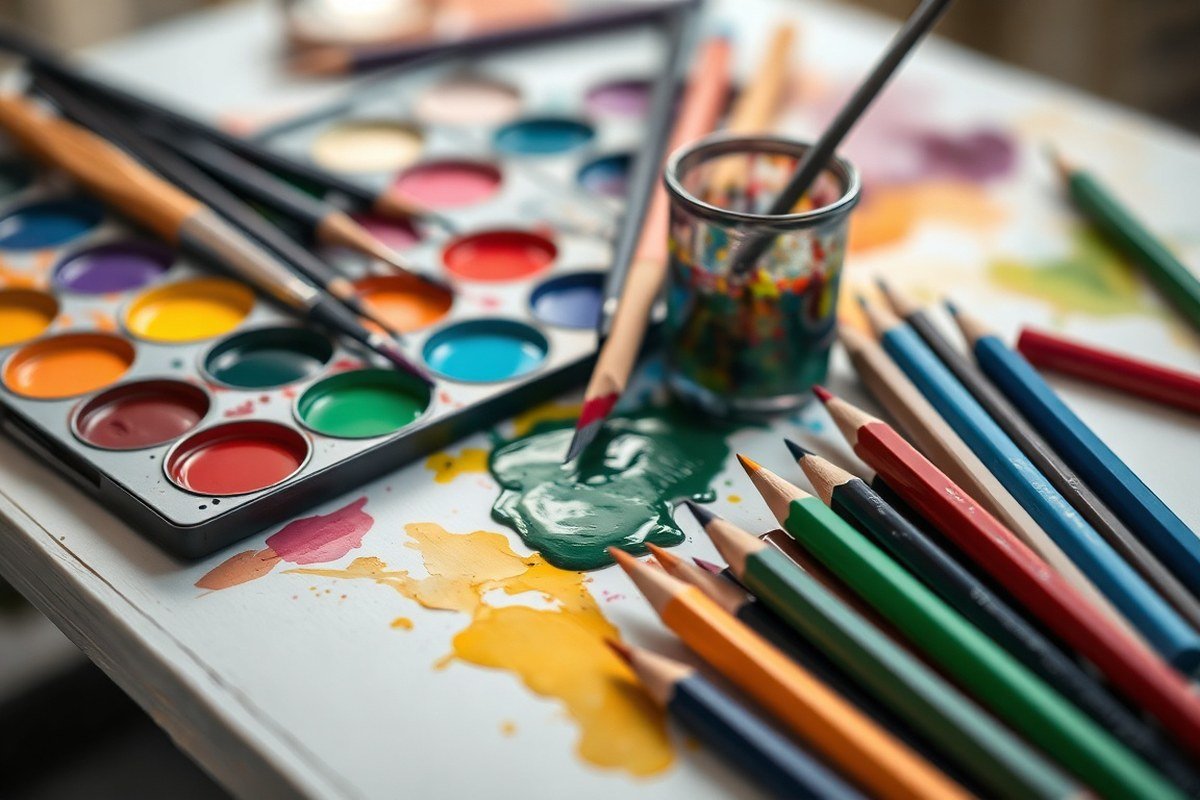
Art therapy works by combining traditional psychotherapy with the creative process of making art. During a session, you might draw, paint, sculpt, or use collage to express feelings that are hard to put into words. This approach allows you to explore emotions safely and indirectly, which is especially helpful if you struggle with anxiety, depression, or trauma. Art therapists guide you through your creations, helping you reflect on and understand your emotions without judgment.
The use of various art media provides different ways to communicate. For example, clay sculpting can engage the senses and help release tension, while drawing or coloring might encourage mindfulness. Sessions typically last around 45 to 60 minutes and can be one-on-one or in groups, depending on your needs. A common myth is that you must be “good at art” to benefit, actually, skill level doesn’t matter. The focus is on process, not product.
Art therapy supports mental health by offering a healthy outlet for difficult feelings like grief or anxiety. It can improve your emotional resilience and cognitive processing by encouraging self-expression and insight. Research shows it works well alongside cognitive behavioral therapy and can be especially beneficial for conditions like PTSD or autism. For example, if you’re coping with trauma, your therapist might invite you to create a collage representing safe places or positive memories, helping to shift your focus and process pain gently.
Good results look like increased emotional awareness, reduced stress, and improved coping skills over weeks or months of regular sessions. Challenges may arise if you feel vulnerable or resist creative expression, so a skilled therapist will tailor the techniques to your comfort level. In cases of severe mental illness, art therapy is best part of a broader treatment plan, supervised by licensed professionals. Following the therapist’s guidance on creating a safe, supportive space is essential for effective healing.
How to Become an Art Therapist: Education and Certification

Becoming an art therapist typically takes about two to three years after earning a bachelor’s degree. You need to complete a master’s degree in art therapy or a related field with an emphasis on art therapy. Accredited programs approved by the American Art Therapy Association (AATA) usually require between 48 and 60 semester credits, equivalent to 18 months to two years of full-time study. These programs combine coursework in psychotherapy and visual arts to prepare you technically and clinically.
A major requirement is completing a practicum or internship with at least 700 supervised hours. Half of these hours must involve direct patient contact in individual, group, or family formats. This hands-on experience is critical to developing your skills and understanding real-world client needs. You apply what you learn about art techniques and psychological theory while working under the supervision of qualified professionals.
After finishing your master’s and practicum, you can apply for registration with the Art Therapy Credentials Board (ATCB) to become a Registered Art Therapist (ATR). This credential shows you meet professional standards and have the experience to practice safely and effectively. You may also pursue further board certification, such as ATR-BC, which requires additional examination.
You don’t need to be a professional artist to become an art therapist, but you should have a basic comfort level and interest in using art to support therapy goals. The focus is on using creative processes as a tool for emotional expression and healing rather than producing art for aesthetic value. This makes the training accessible to those who want to develop both their artistic and therapeutic skills.
The full path includes earning a bachelor’s degree (usually four years), followed by the master’s degree and required practicum hours (two to three years), then applying for certification. Costs vary widely depending on the school but expect graduate tuition to range from about $10,000 to $40,000 per year. Accumulating supervised hours while you train is essential for licensure and should be planned alongside your education.
Different Specializations and Workplaces for Art Therapists
Art therapists work in a variety of settings that reflect their specialized skills and client needs. Common workplaces include hospitals, psychiatric facilities, schools, wellness centers, senior centers, private practices, and community organizations. In hospitals and medical environments, art therapists collaborate with medical teams to support patients facing illnesses, injuries, or medical procedures, helping reduce pain and anxiety through creative expression. School-based art therapists focus on children with special needs or behavioral challenges, using art to promote academic and emotional growth.
Specializations within art therapy often target distinct populations or challenges. Child art therapists work closely with young clients to foster emotional development and address trauma. Medical art therapists assist patients coping with physical illness or recovery. Geriatric art therapists support older adults dealing with aging-related issues like dementia or depression, providing creative outlets to improve quality of life. These specializations require strong personal qualities such as empathy, emotional stability, patience, and insight into both human behavior and artistic media to effectively guide clients.
Career prospects and salaries for art therapists vary by specialization, location, and experience. According to a 2009 American Medical Association survey, annual salaries can range broadly, often influenced by work setting and whether the therapist holds additional psychology credentials or licensure required by state law. Positions in hospitals or private practice tend to offer higher compensation compared to community or educational settings. Aspiring art therapists should be prepared for the educational requirements and licensure processes in their state, which might include graduate degrees and professional certification.
What to Expect in Art Therapy: Sessions and Ethical Practices
Art therapy sessions typically begin with the therapist discussing your background and reasons for seeking help. You will engage with various art materials and creative techniques tailored to your needs. Throughout the sessions, the therapist will encourage you to express emotions and thoughts through art, then guide you to find meaning and insight in your creations. Both individual and group settings are common, with group sessions offering community support alongside creative expression.
Confidentiality and ethics are central to art therapy. Therapists follow strict guidelines that protect your privacy and ensure your safety. Records are kept securely and only shared with your consent or when legally required. Ethical practice also means therapists adjust plans to suit your progress and avoid harm, including recognizing when art therapy may not be the best fit, such as in cases needing immediate medical intervention.
Progress is Measured continually through observation of your creative work, emotional responses, and discussions during and between sessions. Therapists keep detailed notes and sometimes collaborate with other health professionals, ensuring your treatment adapts to your evolving needs. This dynamic approach helps avoid abrupt endings that could leave you struggling with unresolved feelings.
Choosing a qualified art therapist involves checking credentials like certification from recognized bodies and ensuring they follow ethical standards. A good decision rule is to ask about their experience with your particular issues and request references if possible. Be clear about your goals and comfort with the artistic process before committing. Keep in mind that art therapy may be less effective for those uncomfortable with creative expression or needing faster resolution of acute mental health crises, where other therapies or medical treatment might be more appropriate.
Your First Steps: Starting with Art Therapy
Getting started with art therapy, whether as a client or future art therapist, involves clear steps to help you engage confidently and see progress.
- Before your first session: Research local art therapists or programs to find one that matches your needs; you’ll know you’re ready when you find a licensed professional with good reviews or credentials.
- Week 1: Attend your initial art therapy session; notice how comfortable you feel sharing your thoughts and trying creative activities.
- Week 2 to 4: Practice any art techniques or expression methods suggested by your therapist between sessions; you’ll see its value when you feel more in tune with your emotions or stress levels.
- Month 2: Reflect on changes in your mood or behavior with your therapist; you’ll know therapy is working when you identify clearer feelings or coping strategies through your art.
- Month 3: For prospective art therapists, start looking into accredited graduate programs if you haven’t already; monitor how your understanding of art’s therapeutic effects deepens.
- After 6 months of sessions: Evaluate your progress with your therapist to decide whether to continue, adjust goals, or try new techniques; success shows in improved emotional insight and comfort with creative expression.
- Ongoing for practitioners: Engage in supervision and continuing education to stay effective; notice your clients’ positive responses and growth as signs you’re advancing professionally.
Frequently Asked Questions
What Qualifications Confirm an Art Therapist’s Professional Credibility?
A registered art therapist has the initials ATR, showing registration with the Art Therapy Credentials Board (ATCB). This credential indicates the therapist met education and supervised practicum requirements, ensuring professional standards.
How Many Supervised Practicum Hours Are Required for Art Therapy Graduation?
Art therapy students must complete at least 600 supervised practicum hours before graduating. This hands-on experience helps build skills under professional guidance, preparing them for independent practice.
Do Art Therapists Only Work with Certain Age Groups?
Art therapists work with diverse age groups, including children, adults, and seniors. They may specialize, like child art therapists focusing on youth or geriatric therapists supporting older adults.
Can Art Therapy Be Integrated with Other Forms of Therapy?
Yes, some expressive arts therapists combine visual arts with music, dance, drama, or poetry. This approach broadens therapeutic options to match clients’ needs and preferences.
Do Art Therapists Need Specific Licenses Beyond Certification?
Licensing requirements vary by state and job setting. Some roles may require a counseling or social work license in addition to art therapy credentials. Check local regulations for exact rules.
Before You Go
Art therapists combine creativity with psychology to help people express feelings and improve mental health. Taking one clear step toward therapy or training opens the door to meaningful change through art. Start by finding a qualified art therapist near you or exploring accredited programs that match your career goals.