
Which Martial Art Is Best for Self Defense: A Complete Guide That Really Works
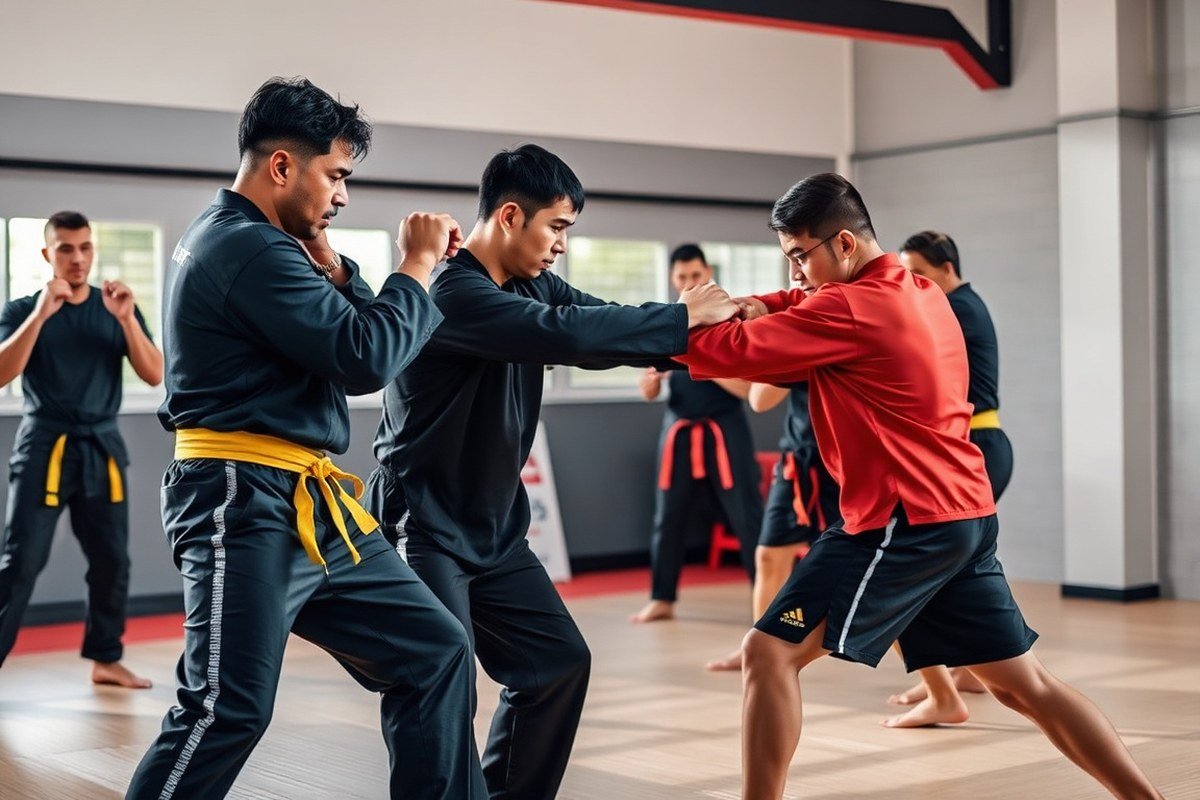
Which martial art is best for self defense depends largely on practicality and your personal needs. Effective self-defense often combines Grappling and striking skills to handle a wide range of real-life scenarios. Starting with martial arts that train realistic, intense sparring prepares you better for unpredictable attacks.
Key Takeaways
- BJJ’s competitive training helps replicate chaotic real attacks for effective ground control in self-defense.
- Striking-focused arts like Kyokushin Karate develop powerful, precise blows useful in close encounters.
- Sambo and wrestling emphasize explosive takedowns that reflect actual street defense bursts lasting only minutes.
- Basic self-defense skills typically form within 3, 6 months of consistent training, focusing on strikes and joint locks.
- Advanced proficiency requires 3, 5 years to adapt fluidly to different attackers and situations.
- Choosing a martial art should align with your physical ability, local environment, and potential threats you might face.
Which Martial Art Offers the Best Overall Self-Defense Skills?
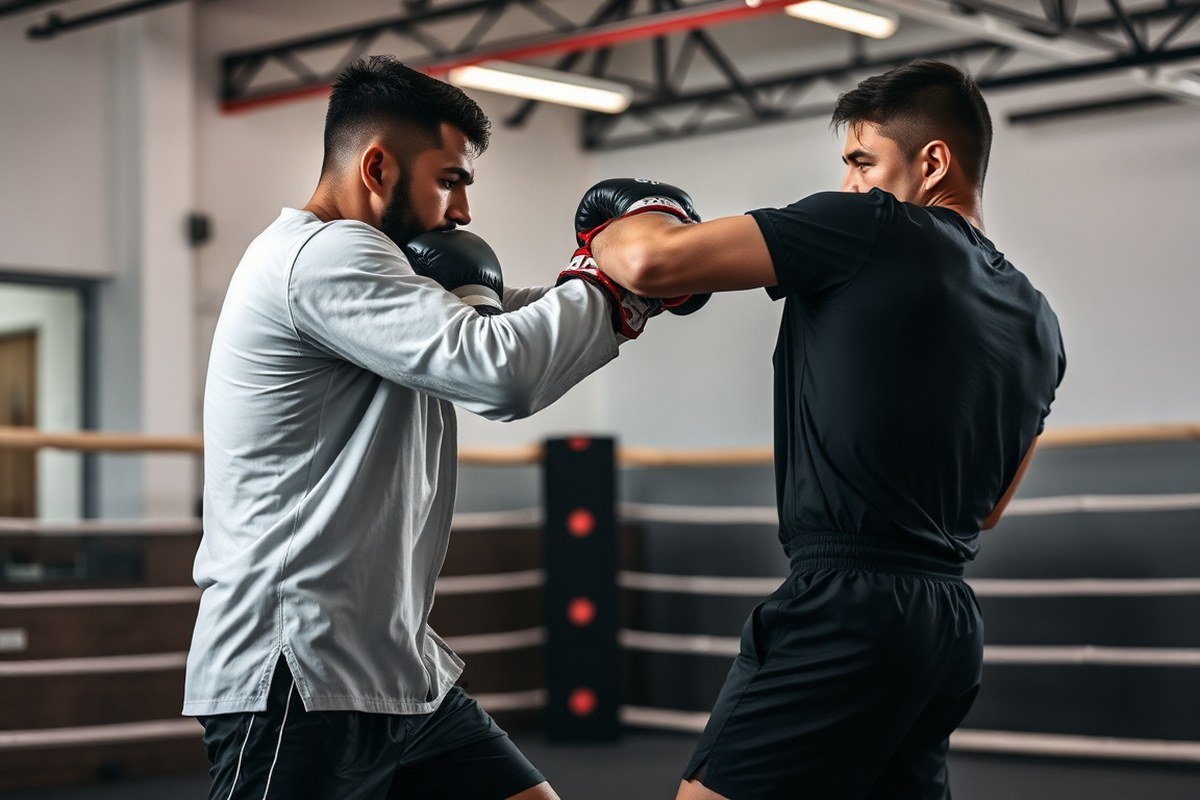
Mixed martial arts (MMA) offers the most complete and effective overall self-defense skill set. It combines the striking skills of boxing and Muay Thai with grappling and ground fighting from wrestling and Brazilian Jiu-Jitsu (BJJ). This combination covers a wide range of possible attacks, including punches, kicks, clinches, takedowns, and submissions. MMA training typically involves realistic sparring, developing the ability to respond under pressure, which is essential for real-world defense scenarios.
For example, boxing focuses heavily on punching and footwork, with top marks for striking and beginner-friendly training. However, it lacks grappling skills necessary if a fight goes to the ground. Brazilian Jiu-Jitsu excels in ground defense and allows smaller defenders to control or submit larger attackers, ranking highly for practical use yet less effective for striking. Krav Maga integrates techniques from striking and grappling arts but emphasizes quick, aggressive neutralization of threats, making it particularly practical for street self-defense. It scores highly in realism but depends significantly on the quality of instruction.
Considering Real-world applicability, versatility, and effectiveness, MMA leads because it prepares you to attack and defend in all ranges of combat. Krav Maga serves as a strong alternative if immediate, practical self-defense and simplicity are priorities. BJJ is ideal for close-quarters defense when facing larger attackers, especially for smaller practitioners, while boxing builds confidence, fitness, and solid stand-up skills.
Results depend on training intensity, class quality, and consistent practice. MMA usually requires longer and more demanding training, often higher costs due to needing multiple disciplines. Krav Maga might promise quicker results but risks gaps if not paired with grappling. Choosing MMA or combining boxing with BJJ offers the broadest skill set, improving your ability to handle unexpected, high-stress confrontations.
How Grappling and Striking Impact Self-Defense Effectiveness
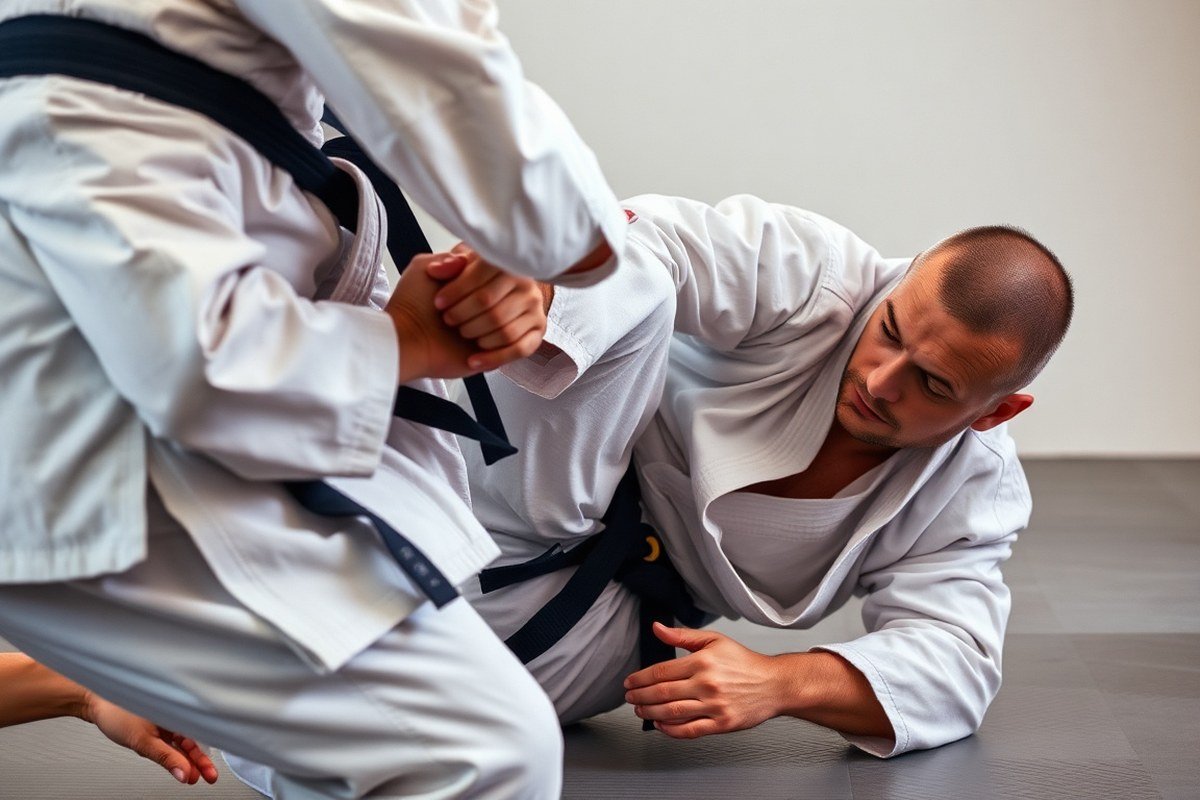
Grappling is essential in most self-defense situations because physical confrontations often end up on the ground or within close range. Techniques like throws, holds, and submissions stop an attacker from continuing the fight or escaping. For example, a Judo throw can quickly off-balance an aggressor, allowing you to control them without relying on strikes. Brazilian Jiu-Jitsu excels at ground control, enabling you to defend yourself when a fight moves to the floor, a common scenario where striking loses effectiveness.
Striking dominates self-defense when you must keep distance or stop the threat quickly. Martial arts like Muay Thai or Kenpo Karate teach powerful punches, kicks, and rapid strikes to incapacitate an attacker fast. In a standing altercation, striking provides options to create space, escape, or neutralize the threat before grappling starts. For instance, rapid elbow strikes or knee strikes during a close-range clinch can disable assailants before they close in to grapple.
Different martial arts balance these skills to suit various self-defense needs. Mixed Martial Arts (MMA) combines striking and grappling, making it extremely versatile for unpredictable street confrontations. Sambo integrates wrestling and judo elements, emphasizing quick takedowns and control. The key to effective self-defense lies in recognizing when to strike to maintain distance and when to engage in grappling to control or submit the opponent safely.
Learning these skills means practicing timing, distance management, and transitions. For example, after delivering a strike to disrupt an attack, you might use a judo throw to take your opponent down if they close distance. However, over-reliance on striking can fail in ground situations, while excessive grappling may leave you vulnerable to multiple attackers. Training that includes situational awareness and adapting techniques to what the situation demands leads to better self-defense outcomes.
Typical Skill Development Timeline in Martial Arts Training
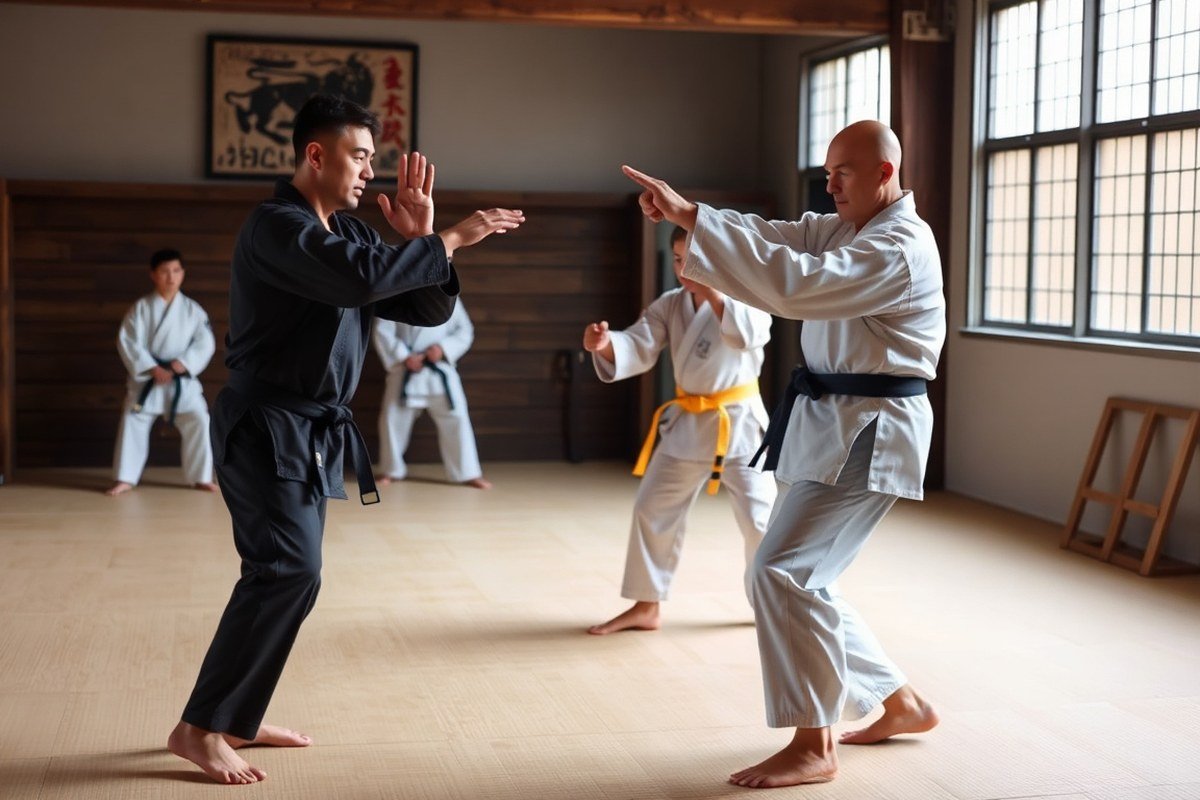
Gaining usable self-defense skills in martial arts typically takes consistent training over time, but you can expect meaningful progress at key milestones. Most beginners start developing practical protective abilities within about three months, especially if training happens two to three times per week. Early lessons focus on basic strikes, escapes, and recognizing threats, allowing you to react better under pressure.
At around twelve months, ability tends to improve significantly. You’ll likely have a broader skillset, better reflexes, and improved endurance. This stage includes more realistic sparring and scenario training, which builds confidence and prepares you to apply techniques in real situations. For example, grappling arts like Brazilian Jiu-Jitsu emphasize control and submission, while striking arts such as Muay Thai or Lethwei accelerate pressure testing through intense sparring.
Reaching three years marks a more advanced level, where many practitioners achieve competence to handle varied encounters effectively. You’ll have refined your timing, tactical understanding, and adaptability. Training frequency matters: practicing daily or multiple times per week shortens this timeline, while once-a-week sessions extend it.
The style of martial art you choose impacts how quickly you gain useful skills. Fast-paced, combat-focused arts with realistic sparring promote quicker self-defense ability. Traditional martial arts may take longer to translate skills to street situations but often provide character development and physical conditioning. Successfully reaching usable competence requires steady progress through drills, pressure testing, and live practice.
Here’s a broad timeline: basic defense skills are possible after 3 months; situational awareness and controlled sparring come with 12 months; true competence with a range of techniques builds over 36 months or more. Regular training, quality instruction, and consistent pressure testing accelerate the process. Avoid shortcuts that skip real sparring, as they risk leaving you unprepared for actual threats.
Choosing the Right Martial Art Based on Personal Needs and Situations
Choosing a martial art that fits your Personal needs and situations starts with assessing your size, age, fitness, and typical threats you expect to face. Smaller or older practitioners often benefit most from arts that emphasize technique over brute strength. Brazilian Jiu-Jitsu (BJJ) is a good match here because it teaches how to control opponents through use and submissions, allowing smaller people to overcome larger threats. Likewise, Kenpo blends hard and soft techniques, making it adaptable for all ages and fitness levels.
Beginners or those focused on fitness might prefer arts like Tae Kwon Do or Karate. Tae Kwon Do emphasizes striking and flexibility, providing excellent aerobic exercise and building speed. Karate offers a straightforward approach for beginners, combining fitness with effective strikes. These styles also boost confidence and physical conditioning, which are important for self-defense readiness.
If your lifestyle includes high-risk or aggressive threat environments, consider martial arts with realistic pressure testing and mixed defensive techniques. Krav Maga and Muay Thai prepare you for street scenarios by combining striking and counters under stress. These require a moderate to high fitness level and willingness to engage aggressively, but they offer strong practical defense for unpredictable encounters.
The right instructor impacts learning just as much as the martial art chosen. Look for schools that offer consistent sparring and scenario training tailored to your goals, whether self-defense, fitness, or competition. Expect to invest time, basic competency can take 6 to 12 months of regular training, and costs typically range from $50 to $150 monthly, depending on location and school quality.
A simple decision rule: match your profile to martial arts emphasizing your strengths and goals. For example, as an older adult focusing on fitness and defense, Kenpo or BJJ suits you better than speed-heavy arts. For a younger, fit beginner wanting to build confidence and cardio, Tae Kwon Do or Karate works well. For frequent real-world threat exposure, Krav Maga or Muay Thai fits if you can handle the physical demand and aggressive approach.
Effective Pressure Testing and Avoiding Common Training Mistakes
To safely practice under pressure and simulate real self-defense situations, controlled sparring is essential. Start with light contact sparring that focuses on timing, distance, and reaction rather than power. Use protective gear such as headguards, mouthguards, and gloves to reduce injury risk. Arrange short rounds of 2 to 3 minutes to keep intensity high but prevent fatigue-related accidents. Gradually increase pressure by allowing more aggressive tactics as skill and comfort improve, always under instructor supervision. This approach trains your ability to stay calm and execute techniques under stress, which is important for street defense.
Common training mistakes include focusing too much on flashy techniques or competition rules that don’t translate well to real fights. Overtraining in choreographed drills without sparring leads to muscle memory for unrealistic scenarios. Relying solely on solo practice, like bag drills, doesn’t prepare you for unpredictable opponents. To fix this, emphasize simple, adaptable moves and practice them against resisting partners in sparring sessions that mimic street fight chaos.
Training quality depends heavily on instructor competence. Choose instructors who prioritize safety, realistic scenarios, and constructive feedback over winning competitions. A good instructor balances technical skill development with situational awareness, teaches escapes from common grabs or holds, and encourages mental and physical preparedness. Verify credentials, ask about their experience in self-defense, and watch classes if possible to ensure the training environment is positive and respectful.
Consistency in practicing under simulated pressure and avoiding common pitfalls is key. Expect gradual progress; real confidence and readiness come after months or years of disciplined training. Cost varies widely, from $50 to over $150 monthly for quality classes, depending on location and school. Training in multiple formats like drills, live sparring, and scenario training creates well-rounded preparedness. Remember that safety and instructor quality directly influence how effectively you translate martial arts training to real-world self-defense.
When to Run, De-Escalate, or Engage: Practical Self-Defense Strategies
Running away is generally the safest immediate option when faced with a threatening situation. It preserves your chance to avoid injury and de-escalate the conflict altogether. However, running isn’t always possible, blocked exits, physical limitations, or the nature of the threat may force you to stand your ground.
Using De-escalation techniques before resorting to physical engagement takes advantage of your mental and verbal skills developed alongside martial arts training. Speaking calmly, maintaining non-threatening body language, and setting firm boundaries can reduce tension. For example, say something like, “I don’t want any trouble, let’s both stay safe and move away,” while keeping your hands visible and posture poised to react.
Knowing When fighting becomes unavoidable is key to mentally preparing yourself. An attacker advancing despite your warnings or blocking your escape means it’s important to ready your body and mind to defend. Breathe deeply to control adrenaline and maintain focus on protecting important areas such as your head and torso. Martial arts training hones this readiness by simulating realistic pressure scenarios that build confidence and quick decision-making.
A practical threat response strategy follows these steps: first, assess if you can safely retreat. When verbal de-escalation is possible, use firm but calm language to try to resolve the situation. Should the threat escalate in a way that leaves you no choice, assume a defensive stance with hands up and protect your core. Use strikes or escapes learned from your martial art to create opportunity to run or call for help. This approach takes time and practice to internalize, but when well-executed, it minimizes harm and legal risks.
Costs include investing time in training both physical techniques and conflict awareness. Good results look like escaping danger with minimal struggle or injury. Mistakes such as rushing to fight, underestimating threats, or failing to try de-escalation can lead to unnecessary harm. Tailor your responses based on the environment, attacker behavior, and your own skills to maintain a Safety-first mindset that complements your martial arts ability.
How to Combine Martial Arts Styles for a Balanced Self-Defense Skillset
Cross-training in martial arts lets you build a well-rounded self-defense skillset. Since every martial art focuses on different elements, striking, grappling, or weapon defense, combining styles fills gaps and prepares you for unpredictable encounters. For instance, boxing offers fast, powerful punches and footwork that help against multiple attackers by keeping you mobile and defensive. Pairing boxing with Brazilian Jiu-jitsu (BJJ) adds effective ground grappling and submissions, making you ready if a fight goes to the ground.
Structuring your training means dedicating time to each discipline weekly, such as two days for striking like boxing or Muay Thai, and two days for grappling with BJJ or Judo. You might add one day for a practical system like Krav Maga or Hapkido, which teaches weapon defense and joint locks that cover real-life scenarios. Training in a mixed martial arts (MMA) gym can integrate these areas under one roof, streamlining your schedule. This cross-training approach suits beginners and intermediate learners aiming for street readiness.
Cross-training costs vary based on location and gym quality but expect around $100 to $200 per month if joining multiple classes or MMA facilities. Results show in improved confidence, quicker reflexes, and the ability to adapt your response to striking or grappling threats. Problems arise if you spread training too thin, so focus on basics in each style first before advancing. Prioritize striking and grappling core skills before layering weapon defense techniques to avoid overwhelm.
Complementary martial arts examples: boxing plus Brazilian Jiu-jitsu covers striking and grappling well; Muay Thai pairs with Judo for striking and takedown defense; and Krav Maga supplements traditional arts with practical threat neutralization and weapon defense. This blend ensures you aren’t caught off guard either standing or on the ground, armed or unarmed.
Self-Defense Considerations Unique to Women and Other Vulnerable Groups
Women and other vulnerable groups benefit most from martial arts focused on use, technique, and quick neutralization instead of brute strength. Brazilian Jiu-Jitsu (BJJ) is highly recommended because it teaches ground control and submissions that allow smaller practitioners to defend against larger attackers effectively. Krav Maga offers practical strikes and defenses designed to end threats fast, prioritizing escape and survival rather than prolonged combat. Filipino martial arts like Kali emphasize weapon defense and awareness, which adds an important dimension to personal safety in unpredictable situations.
Training for those with less physical strength should emphasize Techniques that use an attacker’s force against them, rather than raw power moves. Drilling movements repeatedly at controlled speeds helps develop muscle memory without risking injury. Wearing appropriate protective gear, such as mouthguards and light padding, ensures safety while practicing realistic scenarios. Instructors should adapt training progressions by focusing on smaller, manageable steps, building confidence and skill steadily.
Safety practices include avoiding sparring sessions that pit vastly different body sizes or skill levels against each other without proper supervision. Vulnerable learners should train in environments that stress situational awareness and verbal de-escalation before physical engagement. Group classes specifically designed for women or vulnerable people often incorporate these adaptations to create supportive training atmospheres.
Effective self-defense training for vulnerable people often requires 1 to 2 class sessions per week over several months to build reliable skills. Costs vary widely, with group classes typically ranging from $50 to $150 per month, while private lessons for tailored attention may cost $60 to $100 per hour. The goal is consistent progress toward practical skill sets that feel natural and can be applied under stress.
Your First 30 Days: A Quick-Start Plan for Self-Defense Training
Start building your self-defense skills now with focused steps that help you choose and train effectively. Each phase helps you progress and adjust based on your experience.
- Before You Start: Research local martial arts schools offering styles like Krav Maga, Brazilian Jiu-Jitsu, or Muay Thai. Choose one close to you with beginner-friendly classes. Confirm class schedules and trial options.
- Week 1: Attend your first class and focus on basic stance, movement, and strikes. Know it worked when you can repeat these movements fluidly during drills.
- Week 2: Practice simple grappling holds or escape techniques learned in class outside training. Feel confident when you perform them without hesitation.
- Week 3: Incorporate pressure testing by sparring lightly or with a partner in class to apply techniques under mild stress. Success is staying composed and using correct form under pressure.
- Week 4: Reflect on which martial art feels most natural and fits your physical and mental style. Talk to your instructor about adjusting focus to grappling, striking, or mixed techniques.
- After 1 Month: Start training self-defense scenarios that include de-escalation and awareness taught in your class. You know it’s effective when you can calmly plan how to avoid or handle threats in drills.
Frequently Asked Questions
What Martial Art Is Best for Defending Against Armed Attackers?
Krav Maga trains specifically for real-world threats including weapon defense, making it highly effective against armed attackers. It focuses on quick disarming techniques suitable for beginners and practical scenarios.
Is Brazilian Jiu-Jitsu Effective in Street Fights Involving Multiple Attackers?
BJJ focuses on ground grappling, which can be risky against multiple attackers. Use it alongside striking skills to improve overall self-defense effectiveness in multi-attacker situations.
Can a Beginner Learn an Effective Martial Art for Self-Defense Quickly?
Boxing and Krav Maga are beginner-friendly and can offer basic self-defense skills within months through consistent training. Focus on practical drills to gain confidence fast.
How Important Is Physical Fitness in Learning Martial Arts for Self-Defense?
Physical fitness improves your ability to perform techniques under stress and increases endurance in real confrontations. Combining fitness with skill drills maximizes self-defense readiness.
Does Learning Multiple Martial Arts Improve Self-Defense Ability?
Combining styles like striking-heavy boxing with grappling arts like BJJ creates balanced skills to handle varied threats. Cross-training helps adapt to different situations and opponents.
Before You Go
Choosing the best martial art for self-defense depends on your goals and comfort with striking or grappling. Starting training soon and staying consistent is key to building useful skills. Your next step is to schedule a trial class and experience how the style fits your personal needs in a real training environment.