Can You Separate the Art from the Artist? Clear Answers and Practical Guidance
Can you separate the art from the artist? The answer depends on your personal values and the context in which you engage with the work. Some argue art should be judged on its own merits, while others believe the creator’s actions inevitably affect perception. Start by identifying how much the artist’s behavior influences your connection to their work.
Key Takeaways
- Consider the medium: Visual art may feel more separable from the creator than autobiographical works like memoirs.
- Reflect on historical context: Older works often carry different cultural consequences than contemporary pieces by the same artist.
- Focus on the art’s qualities: Kantian philosophy suggests appreciating form and composition independent of the artist’s personal life.
- Recognize public impact: High-profile cases like R. Kelly show how creator misconduct can deeply affect audience reception.
- Set personal boundaries: Decide if supporting art means also ignoring harmful artist behavior or not.
- Separate artist from art with care: The New Criticism encourages separating “the poet, the man,” but this may not suit every situation.
Is It Possible to Separate the Art from the Artist?
It is possible to separate the art from the artist, but the ease and degree of this separation vary greatly depending on individual perspectives and circumstances. Many argue that art should be judged solely on its strength, style, and emotional impact. Philosopher Immanuel Kant emphasized appreciating art without taking into account the artist’s personal life or ethics. This perspective holds that the value of art stands apart from the creator’s identity or actions.
On the other hand, many say that art is inseparable from its creator because the artist’s values, experiences, and behaviors inevitably influence their work. For example, entertainers like R. Kelly have sparked debates as fans wrestle with appreciating their music while condemning their actions. The inability to detach the artist’s personal controversies from their art leads some to reject the work entirely, arguing that doing so would disrespect those affected by the artist’s behavior.
Separating art from the artist often depends on personal capacity and intention. Some people consciously compartmentalize, enjoying the art while disapproving of the artist’s conduct. Others feel that the legacy of the artist and the context surrounding their work are inseparable, making separation impossible or even unethical. The impacts of these choices range from enjoying art on its own merits to facing moral conflicts or social backlash.
To attempt this separation, you can begin by focusing on the work’s intrinsic qualities, technique, themes, and emotional resonance, without considering the artist’s biography. However, be prepared for ambiguity, as your knowledge of the artist might still influence your perception. This process requires ongoing reflection about your values and why you engage with certain works despite their creators’ faults. Deciding whether to separate art from the artist involves Personal choices influenced by ethical beliefs, feelings, and cultural background.
How Different Art Forms Affect Separation from Creators
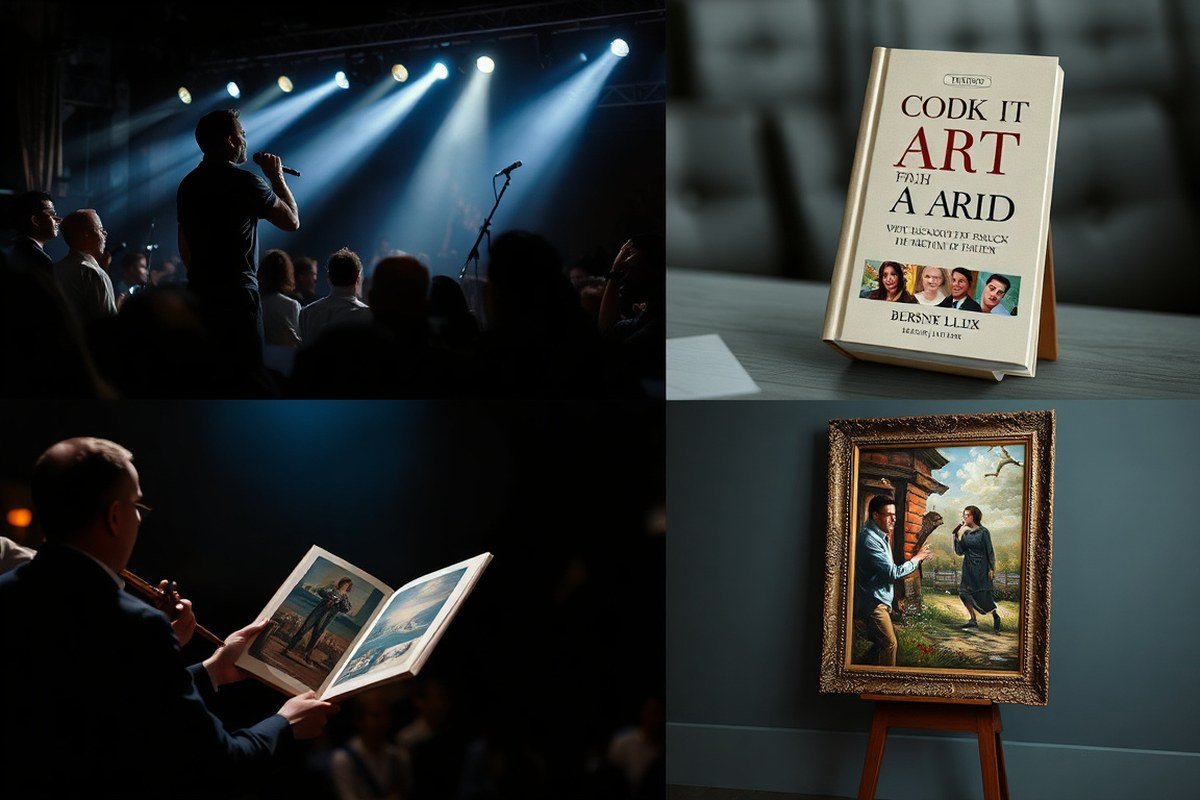
The nature of an art form greatly influences how easily you can separate the art from the artist. In visual arts like painting or sculpture, the object exists independently in time once created. You can analyze or appreciate the piece without ongoing influence from the artist, who no longer shapes the experience after completion. This separation is clearer when the artist is no longer active or the artwork is in the public domain, as their personal benefit from continued engagement stops.
Music and literature complicate this because they often involve ongoing access to the creator’s voice or style. Songs, albums, or novels continue to reflect the creator’s worldview or emotions. Listening to an artist’s music, for example, supports their career and enables them to produce more work, tying your response to their persona and actions. Still, repeatedly engaging with the art can also create distance, allowing you to separate personal feelings about the artist from the creation itself.
Film and theatre blur boundaries even more because they are inherently collaborative and often include live or recorded performances. The director, actors, writers, and crew each contribute, making it difficult to pin the work’s entire identity on a single artist. Live performances add immediacy, seeing a play or concert connects you directly with the artist’s present expression, reducing separation. Films also challenge separation since moral questions about key figures, like directors or lead actors, can affect public perception and criticism, even as the final work takes on a life of its own. A table comparing common forms shows these differences clearly:
| Art Form | Separation Ease | Collaboration Level | Live Performance Impact | Ongoing Artist Influence |
|---|---|---|---|---|
| Visual Arts (painting, sculpture) | High – object exists independently | Low to moderate – usually individual creator | None – static work | Minimal after creation |
| Music | Moderate – repeated listening links to artist | Moderate – often band or producers involved | Significant – live concerts reduce separation | High – ongoing career and style influence |
| Literature | Moderate – text static, but author’s voice remains | Low – mostly individual creator | Minimal – except readings or spoken word | Moderate – reputation influences interpretation |
| Film/Theatre | Low – highly collaborative, complex authorship | High – many contributors | Significant – live theatre direct audience connection | High – public perception of creators affects reception |
This comparison shows Live performances and Collaborative efforts reduce your ability to separate artist from art because the creator’s presence and influence persist in real time or through multiple voices. Art forms like painting or sculptures are easier to isolate from the creator’s personal controversies. Knowing these differences helps you critically engage with each work according to how intertwined creator and creation remain.
Philosophical and Cultural Frameworks Behind the Debate
Philosophical debates about separating art from the artist often reference Immanuel Kant’s concept of aesthetic autonomy. Kant proposed that art should be judged independently of morality or the artist’s biography, focusing purely on the aesthetic experience it provides. This means you can appreciate a painting or a poem without considering who created it or their personal conduct. This approach matters because it allows art to have intrinsic value separate from external factors. To apply this, you consciously set aside knowledge about the artist’s behavior when engaging with their work, focusing solely on the artwork’s form, technique, and emotional impact. The challenge arises when the artist’s actions are widely known and morally troubling, making separation difficult.
Roland Barthes’ 1967 essay “The Death of the Author” pushes this idea further by arguing that the creator’s intentions and biography should not limit the interpretation of art. Barthes writes that meaning resides in the work itself and in the viewer’s experience. This cultural framework supports the idea that your personal response to a film, book, or song can stand independently from the artist’s identity. Using this framework, you would avoid searching for the artist’s personal context or intended meaning and instead focus on how the work speaks to you or society at large. This theory shapes much modern criticism and challenges traditional views that art is inseparable from its maker.
Cultural values and context also shape how you approach this debate. In societies that prioritize individual accountability, there may be less tolerance for separating transgressive artists from their work. Digital culture accelerates exposure of immoral behavior, forcing urgent reassessment of cherished art. For example, fans of a well-known comedian with offensive views struggle to enjoy their performances without acknowledging the artist’s controversial persona. This illustrates how context and cultural shifts affect the possibility of separation, showing it’s not just philosophical but practical in daily choices. The cost of completely separating art from artist can sometimes be cultural erasure, losing access to works that influenced history. Balancing these frameworks requires awareness of both the artwork’s autonomous qualities and the evolving cultural environment around the artist.
Ethical Considerations and Public Impact on Art Appreciation
Supporting art created by problematic artists raises complex ethical questions. When you choose to buy, promote, or praise such work, you might indirectly bolster the artist’s financial success and public standing. This connection matters because your engagement contributes to their influence, which can perpetuate harm if their misconduct involves abuse or exploitation. Recognizing this link helps you weigh whether your appreciation honors the art alone or tacitly endorses the artist’s behavior.
Public knowledge or scandal about an artist’s actions almost always affects how their work is received. Many find it difficult to separate their negative feelings about the artist from the impact of the art itself. Awareness of misconduct can cloud your experience, challenging your ability to enjoy or celebrate the work without recalling the artist’s actions. When museums or galleries avoid acknowledging these issues, they often miss the chance to engage audiences in critical conversations about the artist’s legacy and your role as a consumer.
Separating art from artist also involves cultural and ethical tradeoffs. Artists who express themselves intimately in their work often reveal personal histories, making it harder to isolate the creation from the creator. Choosing to ignore the artist’s behavior risks sidelining victims’ experiences and can slow cultural progress toward accountability and justice. On the other hand, rejecting art solely because of the artist’s flaws may erase valuable perspectives or reduce complex histories to simple moral judgments.
Practically, you can navigate these dilemmas by reflecting on your reasons for engaging with the art and considering the consequences of your choices. Ask yourself if enjoying or promoting the work conflicts with your values or inadvertently sustains harmful power. Engaging with supplementary materials that address the artist’s background honestly and critically helps you make informed decisions and supports deeper public conversations about ethics in art appreciation.
Practical Guide: How to Decide When to Separate Art and Artist
Deciding whether to separate the art from the artist requires Deliberate reflection on the specific context of the artist’s behavior and your reasons for engaging with their work. Start by considering the nature of the artist’s actions, are these personal failings, cultural attitudes from a different era, or serious ethical breaches that impact society or the art world? Accurately placing the artist within their historical and cultural context helps avoid oversimplified judgments.
Next, ask yourself why you want to engage with this art. Are you seeking aesthetic enjoyment, historical understanding, or supporting the artist financially and socially? This clarity lets you decide whether to consume the art critically, with awareness of the artist’s flaws, or to avoid it entirely. One practical approach is to balance admiration of the work against the consequences of endorsing the creator, keeping in mind that this balance will look different for each person.
A useful checklist would include: identifying your priorities regarding the art and artist, researching the artist’s background and era, reflecting on how your values align or conflict with their actions, and deciding the level of engagement you’re comfortable with. Avoid the common mistake of treating the debate as a rigid “all or nothing” choice; this binary obscures the nuanced ways art and artists intersect.
When you choose to engage critically, maintain a mindset that appreciates the art’s content separately from the artist’s intent but acknowledges their influence on creation. This approach demands effort, such as consulting diverse perspectives or seeking critical commentary to avoid unreflective consumption. The benefit is a more thoughtful appreciation of art that respects both the creation and the ethical questions surrounding the artist, rather than ignoring uncomfortable truths or dismissing valuable works outright.
Your First Steps: Navigating Art and Artist Separately
Begin making thoughtful decisions about art by closely examining your own values and the context surrounding the artist’s actions.
- Today: Identify an artwork you admire and research the artist’s background to understand any controversies connected to them. Recognize your initial feelings about both the art and the artist.
- Within 2 days: Reflect on whether your appreciation changes after learning about the artist’s history. Note any discomfort or acceptance.
- This week: Engage with perspectives from trusted critics, cultural experts, or communities to see how others approach separating art from the artist.
- After 1 week: Make a personal list of criteria you find important when deciding to separate art and artist, such as the artist’s actions, the art’s cultural value, or social impact.
- Within 2 weeks: Apply your criteria to new artworks and artists you encounter to practice consistent decision-making.
- After 3 weeks: Share your thoughts with others to hear different viewpoints and challenge or reinforce your own stance.
- Ongoing: Stay informed about developments in cultural ethics and public debates that might influence your judgments over time.
Frequently Asked Questions
What Psychological Factors Influence Whether Someone Can Separate Art from the Artist?
People’s ability to separate art from the artist often depends on personal values and emotional responses. Emotional attachment or revulsion toward the artist’s behavior can affect how you perceive their work.
Does Separating Art from the Artist Change the Cultural Value of That Art?
Separating the artist from their work can alter the cultural value, sometimes reducing its significance. The context of the creator’s life may add layers to how the art is understood and appreciated.
How Do Fan Communities Handle Separating Art from Controversial Artists?
Fan communities vary widely; some actively separate the art from the artist while others reject the work entirely. These reactions reflect collective ethics and emotional ties to the artist’s persona.
Can the Artist’s Intent Affect Whether You Should Separate Their Art from Them?
Yes, the creator’s intent can influence whether their art stands independently or is inseparable from their life. Understanding intent may deepen or complicate your appreciation.
How Does Social Media Impact Public Opinion on Separating Art and Artist?
Social media amplifies public scrutiny and debate about artists’ behavior, affecting collective willingness to separate art from the artist. Viral controversies often shape new cultural norms around this issue.
Before You Go
You hold the key to how you engage with art, balancing your appreciation with ethical concerns surrounding the artist. Assess each case with care and openness to different viewpoints. Start by questioning one piece of art you admire today and see where your values guide you next.