
Should Graffiti Be Considered Art? A Complete Guide to Its Value and Impact
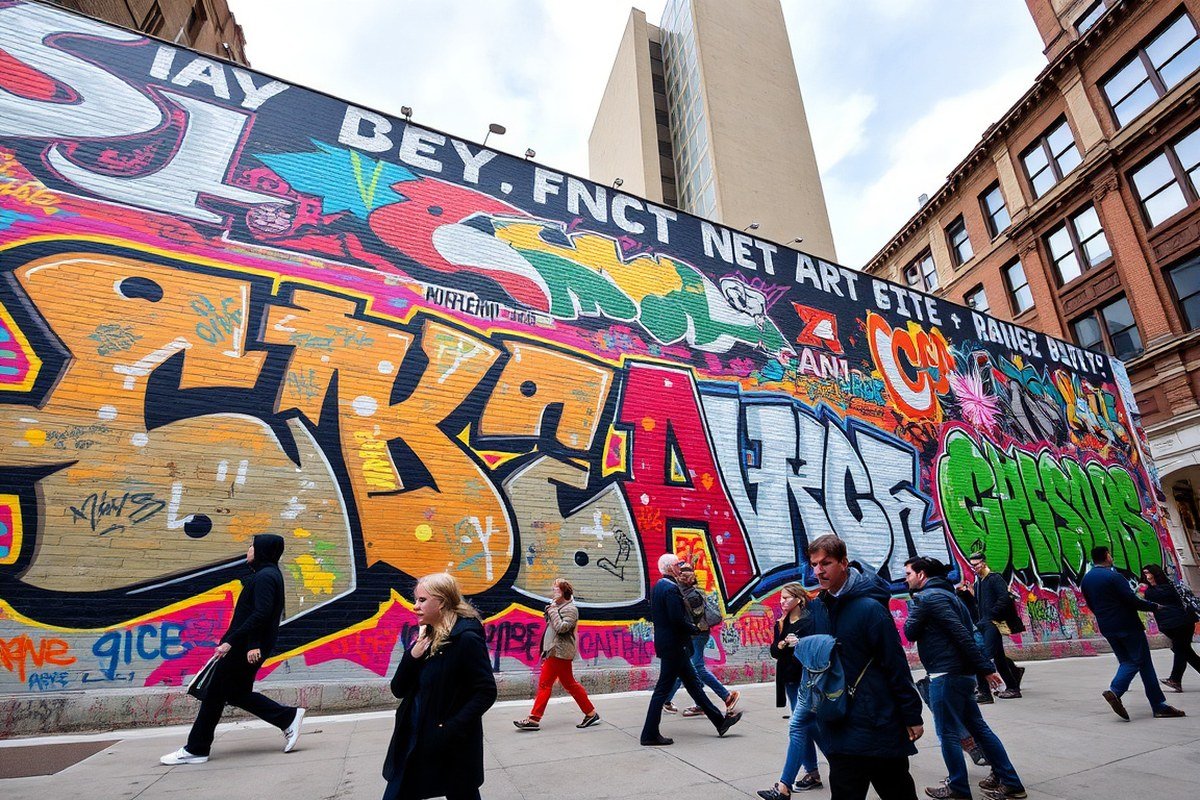
Should graffiti be considered art? Yes, it qualifies as a legitimate art form because it combines creativity, technical skill, and cultural storytelling. Graffiti transforms public spaces, reflecting communities and individual expression. Appreciating its artistic value means recognizing how it shapes urban culture and conversation.
Key Takeaways
- Graffiti uses visual storytelling to express cultural and social messages uniquely tied to urban environments.
- Technical skill in graffiti ranges from detailed 3D illusions to impactful black-and-white contrasts, demonstrating mastery.
- Graffiti originated as a voice for the unheard during 1970s New York hip-hop and counter-culture movements.
- Fine art markets recognize graffiti, with works by Basquiat and Banksy selling for millions at auction.
- Graffiti helps decorate and personalize public spaces, similar to art in private homes.
- Unauthorized graffiti raises ethical questions about property rights and public consent.
Why Graffiti Qualifies as a Legitimate Art Form
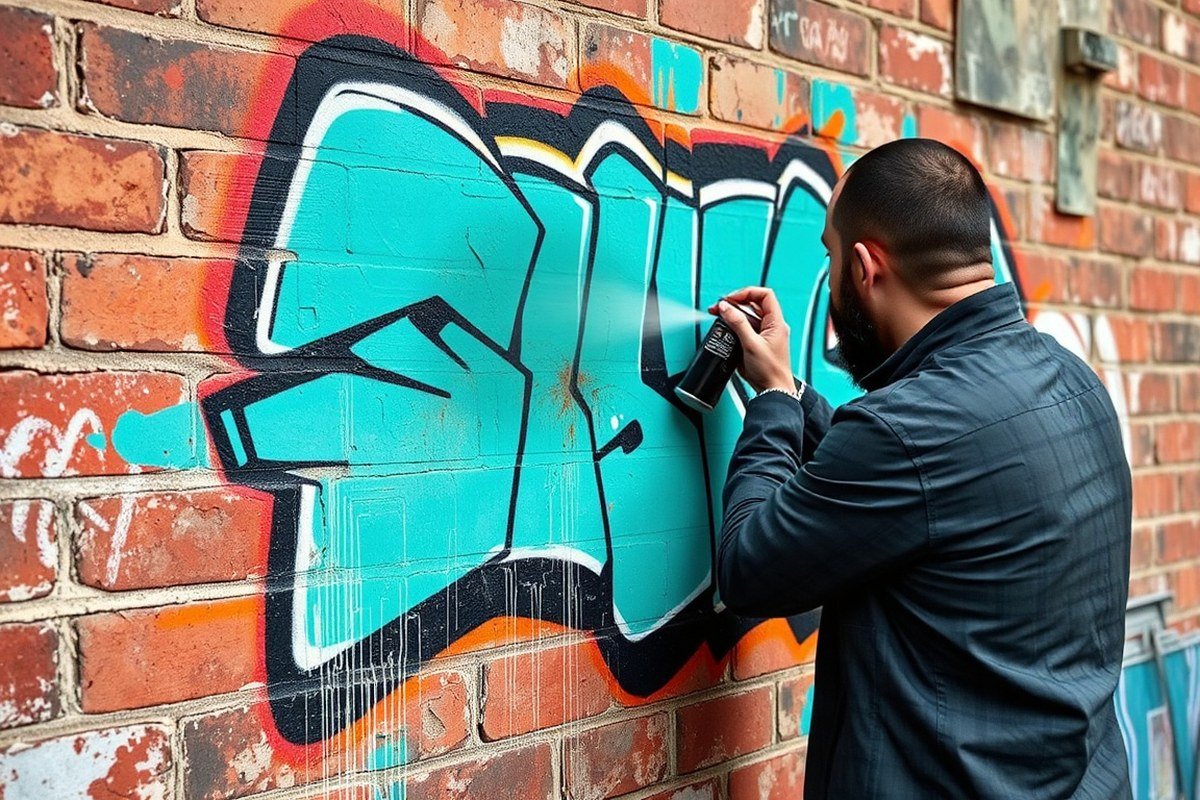
Graffiti requires a high level of artistic skill and technical precision, especially when working with spray paint. Mastering the control of spray cans takes years of practice to achieve sharp lines, gradients, and shading. Techniques like stenciling allow artists to reproduce complex shapes and patterns quickly, adding repeatability and detail that go beyond freehand styles. Some artists create 3D effects by layering colors and shadows, giving their pieces depth and visual impact that rival traditional paintings.
Calligraphy in graffiti shows the blending of ancient art forms with modern street culture. Styles like those popularized by artist Retna demonstrate how lettering can transform into a visual language full of symbolism and emotion. These carefully composed letters are not random tags but deliberate designs that require knowledge of typography and composition.
Graffiti fulfills basic artistic criteria like creativity and expression. It conveys narratives and emotions powerfully through visual storytelling, often reflecting cultural or social themes relevant to urban life. Artists push boundaries, combining mixed media, digital projections, and layering to create multidimensional works. This adaptability highlights graffiti’s evolution and its endless possibilities as an artistic medium.
Experts recognize graffiti as a creative medium because it demands originality, vision, and skill akin to traditional art forms. The freedom graffiti artists have from formal art institutions encourages innovation, enabling them to break conventions and explore new styles. When executed with precision and thought, graffiti goes beyond vandalism and becomes a meaningful dialogue that enriches public spaces.
The Social and Cultural Role of Graffiti in Communities
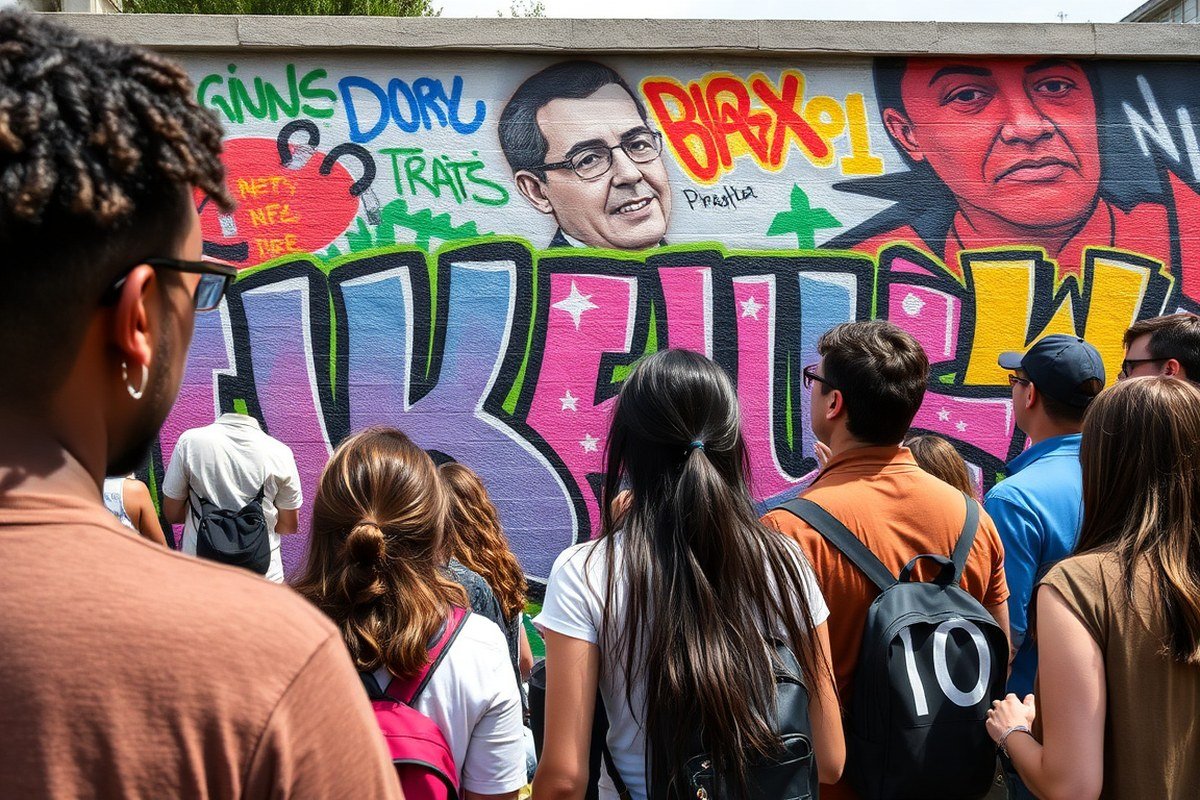
Graffiti reflects social and political messages by serving as a direct channel for marginalized voices. Urban neighborhoods often use walls to broadcast protests, struggles, and hopes tied to their experiences. For example, murals in Philadelphia document the civil rights movement and local efforts to combat segregation, making these artworks living records of key social change.
Graffiti strengthens community identity by creating visual landmarks that residents recognize and rally around. In cities like Detroit, murals honoring local musicians and activists legally brighten once-neglected corridors. This act of preservation not only beautifies but also boosts pride and awareness among locals, fostering a strong sense of belonging and shared history.
Urban graffiti is important for cultural expression because it captures the spirit and struggles of often overlooked communities. Unlike traditional art confined to galleries, it appears where people live, work, and gather. This accessibility allows urgent social issues and cultural narratives to reach a wider audience, making graffiti a dynamic form of public dialogue.
Some murals commemorate global or national historical moments, like the Berlin Wall graffiti that documented the fall of communism and calls for freedom. Such works cost a few thousand dollars to create and maintain but offer priceless community value by preserving collective memory. Good results come from collaboration between artists, community leaders, and city officials, ensuring the art respects local culture and addresses contemporary issues without turning into unwanted vandalism.
Legal and Ethical Dimensions: When Is Graffiti Art or Vandalism?
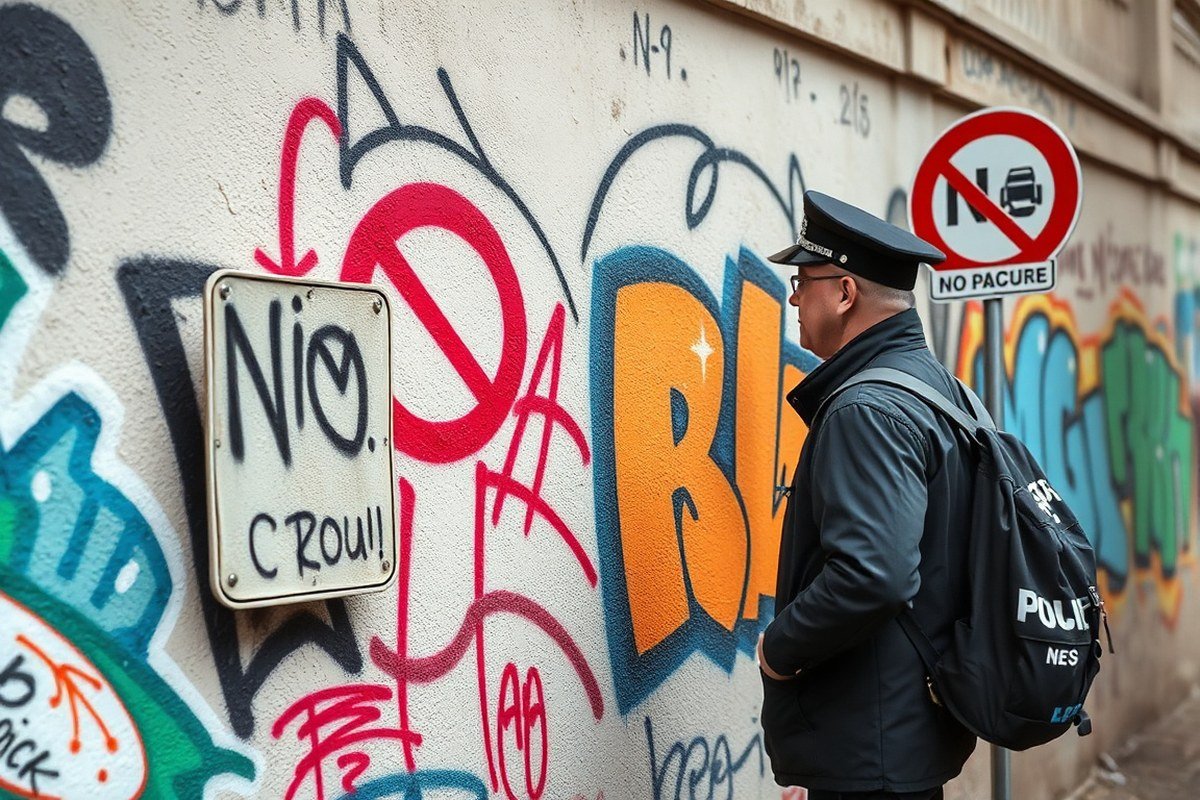
The legal status of graffiti hinges primarily on property rights and permission. Graffiti done without the property owner’s consent is generally classified as vandalism, subject to fines or criminal charges in most US cities. Meanwhile, cities like Los Angeles, New York, and Chicago have created designated graffiti zones or legal walls where artists can paint freely. These zones reflect a recognition of graffiti as a form of artistic expression while respecting property laws.
| City | Legal Status | Permission Required | Designated Zones |
|---|---|---|---|
| Los Angeles | Illegal without permission | Yes | Yes |
| New York | Illegal without permission | Yes | Yes |
| Chicago | Illegal without permission | Yes | Yes |
| Small Towns (varies) | Often illegal without permission | Yes | Few or none |
Permission and ownership directly affect whether graffiti is accepted. Art created on private or public property without consent violates ownership rights, often prompting removal or legal actions. Community policies may allow graffiti only on city-approved spaces, balancing public interests with artistic freedom. In some cases, commissioned street art differs from unsanctioned graffiti by improving neighborhoods without infringing on property rights.
Communities face ethical challenges around graffiti, balancing creative expression against respect for property and maintenance costs. Ethical considerations include the impact on neighborhood aesthetics, potential for negative perceptions, and how the work reflects local culture or social issues. Graffiti that fosters dialogue or beautifies spaces tends to gain more community acceptance.
A simple decision rule checklist can help distinguish between graffiti and street art: Does the artist have explicit permission? Is the location public or private property? Does the work contribute positively to the space or community? If the answer is yes to all, it leans toward art rather than vandalism.
Respecting legal boundaries means never painting on property without consent. To engage as a graffiti artist, seek out legal walls, request permission from property owners, or participate in community mural projects. Violating property rights can result in fines, community backlash, or damage to an artist’s reputation, undermining efforts to gain broader acceptance for graffiti as an art form.
From Streets to Galleries: The Economic Rise of Graffiti Art
The value of graffiti art in the contemporary market has risen sharply as galleries and collectors recognize its artistic and cultural significance. Works by graffiti artists have sold for millions of dollars at auction, demonstrating their high market value and appeal. For example, Jean-Michel Basquiat’s pieces, originating from his graffiti roots, have fetched up to $110 million. Similarly, Banksy’s street art often attracts premium prices, with some of his works selling for over $20 million at international auctions.
Notable artists like Basquiat, Banksy, and Keith Haring helped integrate graffiti into mainstream art, shaping its prestige. Their success opened doors for newer urban creatives, leading galleries to display graffiti in curated exhibitions. These exhibitions bring street art inside controlled environments, offering collectors authentic pieces protected from the wear of public spaces. Galleries view these works as relevant and collectible, often linking them to youth culture, music, and fashion trends that boost demand.
The factors driving demand include the artworks’ public appeal, cultural resonance, and rarity. Collectors invest in graffiti art not only for its aesthetic but also for its story and social context. Urban art’s connection to marginalized communities adds depth to its value. Collaborations between street artists and luxury brands further validate graffiti’s creative impact, expanding its market reach. Demand varies by location and artist reputation, but strong provenance and unique style consistently increase investment potential.
To succeed in owning graffiti art, buyers should verify authenticity through galleries or trusted dealers and consider condition, provenance, and artist recognition. Investing in pieces exhibited in reputable galleries or sold at established auctions typically results in strong long-term value. However, works created illegally or without copyright protection can face challenges in legitimacy and resale. The transition from street to gallery enriches graffiti’s role, transforming it from ephemeral public markings into celebrated art assets.
Understanding Different Forms: Graffiti, Street Art, and Tagging Compared
Graffiti typically involves writing or drawings scratched, scribbled, or sprayed onto surfaces in public spaces, often emphasizing stylized lettering or tags that mark a person or group’s presence. Tagging is a specific subset of graffiti focused on quick, repetitious signatures, usually consisting of a name or symbol, aiming primarily for visibility rather than aesthetic complexity. In contrast, street art uses a wider array of techniques such as stenciling, murals, or wheat pasting to create images or messages designed to engage a broad audience and tell a story visually. The intent behind graffiti and tagging usually centers on personal or territorial expression, while street art aims for social commentary or artistic display.
Community perception varies between these forms. Tagging often faces negative views due to its association with vandalism and minimal artistic detail, leading to less acceptance by authorities and stricter enforcement. Graffiti’s acceptance fluctuates depending on style and content; some graffiti is seen as an eyesore, while other pieces show technical skill and creativity, gaining respect. Street art generally enjoys more approval because it is often commissioned or tolerated and provides visual storytelling that enriches public spaces.
Techniques and scale also set these apart. Tagging is usually small, done quickly with spray paint or markers, costing only a few dollars for basic supplies but often risking fines or arrest. Graffiti can range from tags to large-scale murals requiring greater planning, sometimes taking hours or days to complete. Street art often demands more preparation and materials, for example, stencil work requires cutting precise templates and applying multiple layers, reflecting a disciplined approach that communicates clearer messages.
| Aspect | Tagging | Graffiti | Street Art |
|---|---|---|---|
| Definition | Simple signatures or marks | Lettering or images sprayed/written on surfaces | Visual storytelling via stencils, murals |
| Intent | Mark territory or identity | Express creativity or group identity | Engage public, social messages |
| Techniques | Spray paint or marker, quick | Spray paint, larger scale | Stencil, wheat paste, murals |
| Community View | Mostly negative | Mixed | Generally positive |
| Legal Standing | Often illegal | Varies | More often permitted |
To appreciate or recognize these forms in different situations, observe the scale and detail. Small, repetitive tags usually mean quick marking and low artistic intent, which might be less appreciated outside graffiti culture. Larger murals with narrative elements or detailed stencil work deserve closer attention for their artistic skill and effort. When supporting such urban expressions, consider the context: sanctioned street art projects reflect community acceptance and investment, while graffiti or tagging on private property without permission may raise legal or ethical concerns. Approach each form with an open mind but respect local regulations, especially if you participate in creating or documenting the art.
How to Engage with Graffiti as Art and Community Expression
Learning to appreciate graffiti as an art form involves steps that mix observation, interaction, and respect for its context.
- Start today: Visit a local area known for street art and spend time observing different styles and messages. Notice the variety and detail to understand its artistic range.
- Within 1 week: Read about the history and social impact of graffiti in your city to connect the art to its cultural roots and community influence.
- By week 2: Attend a gallery exhibition or public talk featuring graffiti artists to see how the form adapts to formal art spaces.
- After 3 weeks: Talk with artists or community members involved with graffiti to hear firsthand about the art’s purpose and challenges.
- Within 1 month: Reflect on how your perception of graffiti has changed and consider sharing informed views with others to foster balanced conversations.
- Ongoing: Support legal graffiti projects or community murals as a way to encourage artistic expression without harm or vandalism.
- After 2 months: If interested in art-making, try creating your own graffiti-style art in legal spaces to experience its creative process personally.
- Every few months: Revisit graffiti sites to observe changes and new works, recognizing the dynamic nature of this art form.
Frequently Asked Questions
Can Graffiti Be Considered Art Even If It’s Illegal?
Yes, graffiti can be considered art despite its legality; the key debate is about consent and property rights, not artistic value. Many illegal graffiti pieces show remarkable creativity and skill, but unauthorized works raise ethical issues.
How Do Graffiti Artists Develop Their Skills?
Graffiti artists improve through practice, studying letterforms, color theory, and spray paint techniques, often learning from peers. Mastering spray paint use and visual composition takes time and experimentation.
What Role Does Graffiti Play in Political Activism?
Graffiti often serves as a powerful tool for political expression and protest, giving voice to marginalized communities. It can highlight social issues and inspire conversation around change.
Are There Famous Graffiti Artists Recognized Worldwide?
Yes, artists like Banksy and Jean-Michel Basquiat have gained global recognition for their graffiti work. Their art bridges street culture with mainstream galleries, elevating the medium’s status.
How Does Graffiti Influence Urban Identity?
Graffiti shapes urban identity by reflecting community values and histories, adding color and character to cityscapes. It’s a visual language that captures a city’s culture and spirit.
Final Thoughts
Graffiti certainly qualifies as an art form through its creative expression, cultural significance, and evolving place in society. You can deepen your understanding by actively exploring graffiti spaces and learning from those who create it. Taking the step to engage with graffiti thoughtfully helps you see beyond stereotypes and appreciate its value as a legitimate artistic practice.